The best hair transplant procedure in 2026 is not a one-size-fits-all solution but rather a highly personalized approach, primarily leveraging advanced Follicular Unit Extraction (FUE) or Follicular Unit Transplantation (FUT) techniques, tailored to an individual’s unique hair loss pattern, donor supply, and aesthetic goals. Success hinges on selecting an experienced surgeon and a reputable clinic that prioritizes natural-looking results and comprehensive patient care.
Key Takeaways
-
- The “best” hair transplant procedure is highly individualized, depending on your specific hair loss and goals.
-
- Follicular Unit Extraction (FUE) and Follicular Unit Transplantation (FUT) are the primary techniques, each with distinct advantages.
-
- FUE is often favored for its minimal scarring and quicker recovery, making it a popular choice in 2026.
-
- Selecting a highly experienced surgeon and a reputable clinic like Hair Transplant Centre Malaysia is crucial for optimal, natural-looking results.
-
- Understanding the different stages of hair growth post-transplant is essential for managing expectations.
-
- A thorough consultation is vital to determine suitability, discuss expectations, and plan the most effective strategy.
-
- The cost of a hair transplant varies significantly based on the technique, number of grafts, and clinic reputation.
-
- Proper aftercare is as important as the procedure itself for ensuring successful graft survival and growth.
-
- Choosing a clinic with specialized doctors, in-depth training, and a long track record, such as those at Hair Transplant Centre Malaysia, ensures high-quality outcomes.
What is the Best Hair Transplant Procedure in 2026?
The best hair transplant procedure in 2026 is generally considered to be the one that delivers the most natural-looking, dense, and long-lasting results with minimal discomfort and scarring for the individual patient. For many, this points to advanced Follicular Unit Extraction (FUE) methods, which offer precise graft harvesting and a less invasive recovery.
While both FUE and FUT (Follicular Unit Transplantation) remain viable and effective options, FUE has gained significant popularity due to its minimally invasive nature and the absence of a linear scar, allowing patients to wear their hair shorter without visible evidence of surgery. This modern approach involves extracting individual follicular units directly from the donor area using a specialized micro-punch tool. These units, which contain one to four hairs, are then meticulously implanted into the recipient areas where hair is thinning or lost. The precision of FUE allows surgeons to place grafts strategically, mimicking natural hair growth patterns and achieving remarkable density. However, the “best” procedure is ultimately determined through a comprehensive consultation with a hair restoration specialist who can assess your specific condition, donor hair availability, and desired outcome.
Understanding FUE: A Closer Look
Follicular Unit Extraction (FUE) is a sophisticated hair transplant technique where individual hair follicles are extracted one by one directly from the donor area, typically the back or sides of the head. This method leaves tiny, circular scars that are almost invisible to the naked eye, a significant advantage for those who prefer short hairstyles. The extracted grafts are then carefully implanted into the balding or thinning areas, taking into account the natural direction and angle of existing hair to create a seamless, natural appearance. FUE is particularly suitable for patients seeking:
-
- Minimal Scarring: Ideal for those who wish to wear their hair very short.
-
- Faster Recovery: Donor area discomfort is generally less than FUT, and healing is quicker.
-
- Flexibility in Donor Area: Grafts can sometimes be harvested from other body areas if scalp donor hair is insufficient, though this is less common for primary transplants.
However, FUE can be more time-consuming for large sessions due to the individual extraction process. The skill of the surgeon is paramount in FUE to ensure high graft survival rates and to avoid damaging surrounding follicles in the donor area.
How Does FUE Compare to FUT Hair Transplant?
FUE (Follicular Unit Extraction) and FUT (Follicular Unit Transplantation), also known as the strip method, are the two primary techniques for hair transplantation, differing mainly in how donor hair is harvested. While FUE extracts individual follicular units, FUT involves removing a strip of skin from the donor area.
Understanding the distinctions between these two procedures is essential for making an informed decision about the best hair transplant procedure for your specific needs. Here’s a comparative overview:
| Feature | FUE (Follicular Unit Extraction) | FUT (Follicular Unit Transplantation / Strip Method) |
| Donor Harvesting | Individual follicular units extracted directly from the scalp. | A strip of skin containing hair follicles is surgically removed. |
| Scarring | Tiny, punctate (dot-like) scars, often imperceptible when healed. | A linear scar at the donor site, which may be visible if hair is cut short. |
| Hair Length Post-Op | Patients can wear hair very short without visible scars. | Patients typically need to keep hair long enough to cover the linear scar. |
| Invasiveness | Minimally invasive. | More invasive due to surgical removal of a skin strip. |
| Recovery Time | Generally faster; minimal downtime for donor area. | Slightly longer recovery; more discomfort initially at donor site. |
| Pain Level | Less post-operative pain reported in the donor area. | More post-operative pain and numbness in the donor area is possible. |
| Number of Grafts | Suitable for small to large sessions, but large sessions can be longer. | Highly efficient for large sessions (thousands of grafts). |
| Cost (Malaysia) | Often slightly higher per graft due to labor intensity. | Generally lower per graft for large sessions. |
| Ideal Candidate | Those preferring short hairstyles, concerned about linear scars, or needing smaller sessions. | Those requiring a large number of grafts, or with limited donor elasticity, less concerned about linear scar. |
Choosing Between FUE and FUT
The choice between FUE and FUT often comes down to individual priorities regarding scarring, recovery, and the number of grafts needed. If minimizing visible scarring is a top priority, especially for those who like short haircuts, FUE is generally the preferred option. However, for extensive hair loss requiring a very large number of grafts in a single session, FUT might be more efficient. A skilled surgeon will help you weigh these factors during your consultation. For instance, a patient with diffuse thinning across the crown might find that FUE for crown hair transplant provides excellent results without the need for a large linear incision.
What Factors Determine the Best Hair Transplant Procedure for You?
The best hair transplant procedure for an individual is determined by several crucial factors, including the extent of hair loss, the quality and quantity of donor hair, the patient’s age and health, and their aesthetic goals. A personalized assessment by a qualified hair restoration specialist is paramount to creating an effective treatment plan.
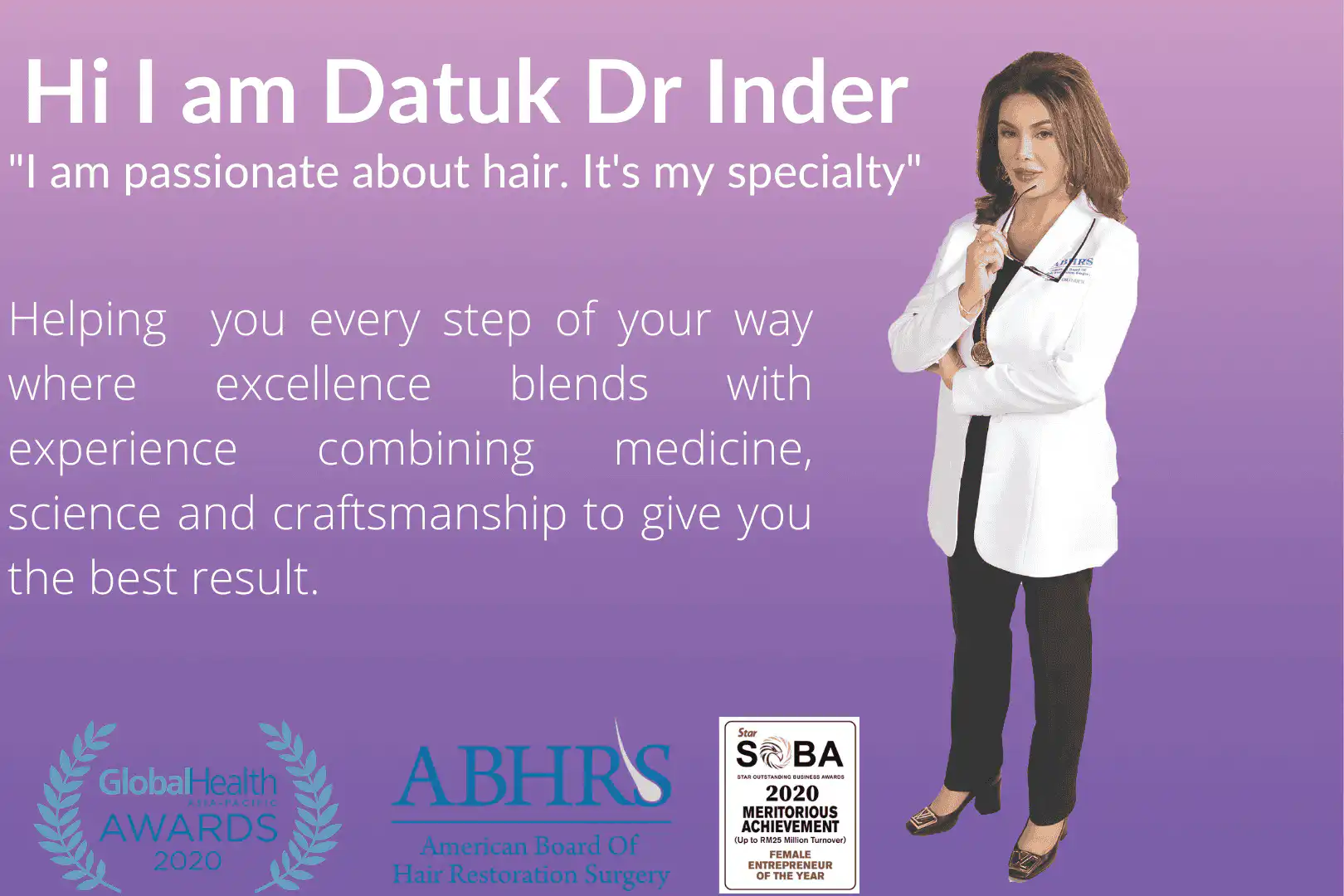
Considerations like hair texture, color, and scalp laxity also play a significant role in determining the most suitable technique and expected outcomes. For example, individuals with coarse, curly hair might achieve greater visual density with fewer grafts compared to those with fine, straight hair. During a comprehensive consultation at Hair Transplant Centre Malaysia, our experts, like Dato’ Dr Kuladeva Retnam and Datuk Dr Inder, carefully evaluate these variables to recommend a tailored approach. They might discuss how many grafts you need based on your specific hair loss pattern to achieve a natural-looking result. Here’s a breakdown of the key factors:
-
- Extent and Pattern of Hair Loss:
-
- Norwood Scale: This scale helps classify male pattern baldness. A patient with early-stage receding hairline (Norwood 2-3) might require fewer grafts and a different approach than someone with extensive baldness across the crown (Norwood 5-6).
-
- Female Pattern Hair Loss: Women often experience diffuse thinning rather than distinct balding patterns, requiring specialized techniques and considerations.
-
- Extent and Pattern of Hair Loss:
-
- Donor Hair Characteristics:
-
- Density: The number of healthy follicular units per square centimeter in the donor area. High density allows for more grafts.
-
- Quality: The thickness, texture, and growth cycle of the donor hair.
-
- Laxity: The flexibility of the scalp skin, particularly relevant for FUT procedures.
-
- Availability: The total number of grafts that can be safely harvested without overharvesting the donor area.
-
- Donor Hair Characteristics:
-
- Patient’s Age and Health:
-
- Age: Generally, younger patients (under 25) are advised to wait as their hair loss pattern may not be fully established. Age is a significant factor to consider before transplantation.
-
- Medical Conditions: Certain medical conditions or medications can affect suitability or recovery.
-
- Lifestyle: Smoking and excessive alcohol consumption can impair healing.
-
- Patient’s Age and Health:
-
- Aesthetic Goals and Expectations:
-
- Desired Density: How thick the patient wants their hair to appear.
-
- Hairline Design: Whether the patient desires a natural, soft hairline or a more aggressive, dense one.
-
- Future Hair Loss: A good surgeon will consider potential future hair loss and design a plan that will look natural over time.
-
- Aesthetic Goals and Expectations:
-
- Budget: The cost can vary significantly based on the number of grafts and the chosen technique. It’s important to have a clear understanding of the financial investment.
-
- Scarring Concerns: If minimizing visible scarring (e.g., for short hairstyles) is a priority, FUE is often preferred.
What is the Hair Transplant Procedure Process Like?
The hair transplant procedure process typically involves several distinct stages: initial consultation and planning, the actual surgery (extraction and implantation), and crucial post-operative care, all contributing to the final outcome. Each stage is meticulously managed to ensure patient comfort and optimal results.
At Hair Transplant Centre Malaysia, our process begins with a thorough evaluation by our specialized physicians, including Datuk Dr. Inder and Dr Ashrul Ikhmal, who guide patients through every step. This journey transforms not just hair, but often self-confidence.
Step-by-Step Breakdown of the Hair Transplant Journey
-
- Initial Consultation and Planning:
-
- Assessment: The surgeon examines your scalp, hair loss pattern, donor area suitability, and discusses your medical history. This is where you determine the number of grafts needed and confirm if you are a good candidate for hair transplant.
-
- Goal Setting: You discuss your aesthetic goals, and the surgeon outlines realistic expectations for density and hairline design.
-
- Procedure Recommendation: Based on the assessment, the surgeon recommends the best hair transplant procedure (FUE or FUT).
-
- Pre-operative Instructions: You receive instructions on how to prepare for surgery, including medication adjustments and lifestyle changes.
-
- Initial Consultation and Planning:
-
- The Day of Surgery:
-
- Arrival and Preparation: You arrive at the clinic, and the donor and recipient areas are prepared, which often includes shaving the donor area for FUE.
-
- Local Anesthesia: The scalp is numbed with local anesthesia to ensure a pain-free procedure.
-
- Graft Extraction (FUE or FUT):
-
- FUE: Individual follicular units are extracted using a micro-punch tool.
-
- FUT: A strip of skin is removed, and technicians meticulously dissect it into individual follicular units under microscopes.
-
- Graft Extraction (FUE or FUT):
-
- Recipient Site Creation: The surgeon makes tiny incisions in the balding areas, determining the angle, depth, and direction of each hair for a natural look. This step requires immense artistry.
-
- Graft Implantation: The harvested follicular units are carefully placed into the recipient sites. This is a critical stage for achieving density and natural appearance. The duration varies depending on the number of grafts, often lasting several hours.
-
- The Day of Surgery:
-
- Post-Operative Care and Recovery:
-
- Immediate Aftercare: The scalp is usually bandaged, and you receive detailed instructions for the first few days.
-
- First Week: Swelling and mild discomfort are common. It’s crucial to follow instructions for washing and protecting the transplanted area. Refer to an essential 7-day hair transplant aftercare guide for detailed information.
-
- Shedding Phase: Around 2-4 weeks post-op, transplanted hairs typically shed. This is a normal part of the process, making way for new growth.
-
- Growth Phase: New hair growth usually begins around 3-4 months. It gradually thickens and becomes noticeable.
-
- Full Results: The final results are typically visible 12-18 months after the procedure. Patience is key during this period.
-
- Follow-up Appointments: Regular follow-up visits allow the clinic to monitor your progress and provide ongoing support.
-
- Post-Operative Care and Recovery:
What Are the Expected Results and Recovery Timeline for a Hair Transplant?
Expected results from a hair transplant include natural-looking hair growth that gradually thickens over 12 to 18 months, while the recovery timeline typically involves initial healing within a week, followed by a shedding phase, and then the slow, consistent emergence of new hair. Understanding this journey is vital for managing patient expectations.
The success of a hair transplant is not just about the surgery itself but also about the body’s natural healing and hair growth cycle. Many patients, like a recent client who shared their journey, often express initial concern during the shedding phase, but with proper guidance and patience, they witness remarkable transformations, regaining their confidence. The benefits of hair transplant extend beyond just hair.
The Hair Transplant Results and Recovery Journey
-
- Immediately After Procedure (Day 0-7):
-
- Appearance: Small scabs will form around the transplanted grafts. The donor area will heal, especially with FUE, showing tiny red dots that fade quickly.
-
- Slight Swelling: Some swelling in the forehead and around the eyes is common but usually subsides within a few days.
-
- Aftercare: Gentle washing and specific topical treatments are crucial. Avoid strenuous activities. Refer to the ultimate guide to washing hair after hair transplant.
-
- Discomfort: Mild discomfort or numbness in the donor and recipient areas is normal and managed with prescribed medication.
-
- Immediately After Procedure (Day 0-7):
-
- 1-4 Weeks Post-Procedure (Shedding Phase):
-
- “Shock Loss”: The transplanted hairs will typically shed during this period. This is a normal and expected part of the process, known as “shock loss,” and indicates that the follicles are entering a resting phase before new growth.
-
- Scalp Appearance: The scalp might look similar to before the transplant, which can be concerning for some, but it’s important to remember this is temporary.
-
- 1-4 Weeks Post-Procedure (Shedding Phase):
-
- 2-4 Months Post-Procedure (Early Growth):
-
- New Growth: Fine, thin hairs will start to emerge from the transplanted follicles. This growth may appear patchy at first.
-
- Texture: These initial hairs might have a different texture or color than your natural hair, but they will gradually mature.
-
- 2-4 Months Post-Procedure (Early Growth):
-
- 4-8 Months Post-Procedure (Significant Growth):
-
- Increased Density: Hair growth becomes more noticeable, and the density in the transplanted areas improves significantly.
-
- Hair Thickening: The newly grown hairs will start to thicken and strengthen.
-
- Styling: Patients can usually start to style their new hair more freely.
-
- 4-8 Months Post-Procedure (Significant Growth):
-
- 8-12 Months Post-Procedure (Maturation):
-
- Mature Growth: The hair continues to mature, gaining its natural thickness and texture.
-
- Good Results: By 10-12 months, about 80% of the final results are typically visible.
-
- 8-12 Months Post-Procedure (Maturation):
-
- 12-18 Months Post-Procedure (Final Results):
-
- Full Density: The transplanted hair will have fully grown in and matured, achieving its intended density and natural appearance. Hair transplant results are typically considered final at this stage.
-
- Long-Term: The transplanted hair is permanent and will grow naturally for a lifetime, similar to the hair from the donor area.
-
- 12-18 Months Post-Procedure (Final Results):
Who is a Good Candidate for the Best Hair Transplant Procedure?
A good candidate for the best hair transplant procedure is typically an individual experiencing stable, pattern baldness with a sufficient supply of healthy donor hair, realistic expectations, and overall good health. Both men and women can be suitable candidates, but specific criteria apply to each.
Understanding who qualifies is crucial for achieving successful and satisfying outcomes. At Hair Transplant Centre Malaysia, our physicians thoroughly evaluate each potential patient to determine their suitability, ensuring the procedure is both safe and effective. Here’s a detailed look at who makes a good candidate:
-
- Individuals with Androgenetic Alopecia (Pattern Baldness): This is the most common form of hair loss treated by transplantation, characterized by a receding hairline, thinning crown, or diffuse thinning. The hair in the donor area (usually the back and sides of the head) is genetically resistant to hair loss, making it ideal for transplantation.
-
- Stable Hair Loss: Candidates should have stable hair loss, meaning their hair loss pattern has largely established itself and is not actively progressing rapidly. For younger patients (under 25), doctors often recommend waiting or trying medical treatments first to observe the stability of their hair loss.
-
- Sufficient Donor Hair: A critical factor is the availability of healthy, dense hair in the donor area. This hair must be strong enough to be extracted and then grow successfully in the recipient area. The quality and quantity of donor hair directly impact the potential density and coverage that can be achieved.
-
- Good General Health: Patients should be in good overall health, without serious medical conditions that could complicate surgery or healing. Conditions like uncontrolled diabetes, heart disease, or bleeding disorders may preclude someone from being a candidate.
-
- Realistic Expectations: It’s vital for candidates to have realistic expectations about the outcome. A hair transplant can significantly improve appearance and density, but it may not restore hair to the exact condition of adolescence. A skilled surgeon will always set clear expectations during consultation.
-
- No Underlying Scalp Conditions: The scalp must be healthy and free from active infections, severe inflammation, or other dermatological conditions that could interfere with the procedure or healing.
-
- Age Considerations: While there’s no strict age limit, very young patients are often advised to wait until their hair loss pattern has stabilized. Conversely, older individuals can still be excellent candidates provided they meet the other criteria.
-
- Women with Pattern Hair Loss: While male pattern baldness is more commonly addressed, many women who experience distinct pattern hair loss, particularly at the hairline or crown, can be excellent candidates for hair transplantation. Hair transplant in women addresses unique considerations.
Who Might Not Be a Good Candidate?
-
- Insufficient Donor Hair: Individuals with very limited or poor-quality donor hair may not be suitable, as there wouldn’t be enough viable grafts to achieve a satisfactory result.
-
- Diffuse Unpatterned Alopecia (DUPA): In DUPA, hair loss affects the entire scalp, including the traditional donor area, making transplantation ineffective.
-
- Alopecia Areata: This autoimmune condition causes patchy hair loss. Transplanting hair into an area affected by alopecia areata often results in the new hair also falling out.
-
- Unrealistic Expectations: Patients expecting a full head of incredibly dense hair from a small number of grafts may be disappointed and are often not deemed suitable unless their expectations can be adjusted.
-
- Active Scalp Infections or Inflammatory Conditions: These need to be treated and resolved before any transplant procedure.
What is the Cost of the Best Hair Transplant Procedure in Malaysia?
The cost of the best hair transplant procedure in Malaysia varies significantly, typically ranging from RM 7,000 to RM 30,000 or more, depending on factors such as the chosen technique (FUE or FUT), the number of grafts required, the surgeon’s expertise, and the clinic’s reputation. While cost is a factor, prioritizing quality and experience over price is essential for optimal outcomes.
Malaysia has become a competitive destination for hair transplants, offering high-quality procedures at more accessible prices compared to Western countries, without compromising on medical standards. This makes it an attractive option for many seeking the best hair transplant procedure. For example, understanding how much a 3000-graft hair transplant costs in Malaysia provides a clearer picture of potential expenses.
Key Cost Determinants
-
- Number of Grafts: This is the most significant factor. The more grafts needed to cover the balding area and achieve desired density, the higher the total cost. Clinics often price per graft or offer package deals for a certain number of grafts.
-
- Technique Used:
-
- FUE (Follicular Unit Extraction): Generally, FUE can be more labor-intensive and time-consuming due to the individual extraction of follicles, which can translate to a higher per-graft cost than FUT.
-
- FUT (Follicular Unit Transplantation): While the strip harvesting is faster, the microscopic dissection of grafts is also a skilled process. For very large sessions, FUT might sometimes be more cost-effective.
-
- Technique Used:
-
- Surgeon’s Expertise and Reputation: Highly experienced, board-certified surgeons with a proven track record of successful, natural-looking results, like Dato’ Dr Kuladeva Retnam and Datuk Dr Inder at Hair Transplant Centre Malaysia, will typically charge more for their services. Their specialized training and global recognition contribute to the premium quality of care.
-
- Clinic Location and Facilities: Clinics in prime urban areas or those offering state-of-the-art facilities and advanced technology may have higher overheads, reflected in their pricing.
-
- Included Services: Some clinics offer all-inclusive packages that cover pre-operative consultations, the procedure itself, post-operative medications, and follow-up care. Others might list these as separate costs. Always inquire about what is included.
-
- Complexity of the Case: More complex cases, such as those requiring scar revision or addressing previous, poorly executed transplants, may incur higher costs due to the increased skill and time required.
Example Cost Range in Malaysia (Estimated for 2026):
-
- Small Session (500-1000 grafts): RM 7,000 – RM 15,000
-
- Medium Session (1500-2500 grafts): RM 12,000 – RM 25,000
-
- Large Session (3000+ grafts): RM 20,000 – RM 30,000+
It’s crucial to obtain a detailed quote after a personal consultation. Remember, a cheaper procedure is not always better; sometimes, a cheap hair transplant can lead to significant risks and unsatisfactory results, requiring costly revisions. Investing in a reputable clinic ensures a safer procedure and more natural, lasting outcomes.
🤔 Is a Hair Transplant an Investment?
Absolutely. While there’s an upfront cost, a hair transplant is often viewed as a long-term investment in self-confidence and appearance. Unlike temporary solutions, the results are permanent, offering enduring value. Many consider it a choice for life transformation. Read more about hair transplant as a long-term investment.
Why is Choosing the Right Hair Transplant Clinic Crucial for the Best Hair Transplant Procedure?
Choosing the right hair transplant clinic is absolutely crucial for ensuring the best hair transplant procedure, as it directly impacts the safety, effectiveness, naturalness of the results, and overall patient experience. A reputable clinic with experienced specialists offers the expertise needed to achieve successful, lasting outcomes.
The success of a hair transplant isn’t solely dependent on the chosen technique; the skill of the surgeon and the quality of the medical team are paramount. At Hair Transplant Centre Malaysia, our dedicated team of physicians specializes exclusively in hair restoration, boasting over a decade of experience and global health awards, ensuring patients receive world-class care. This specialized focus and experience are critical for any patient seeking the best hair transplant procedure.
Key Reasons to Choose a Top-Tier Clinic
-
- Surgeon’s Expertise and Specialization:
-
- Dedicated Focus: Clinics where physicians specialize solely in hair restoration, like Hair Transplant Centre Malaysia, often have superior outcomes because their doctors are masters of the art and science of hair transplantation. Dato’ Dr Kuladeva Retnam, a Plastic and Reconstructive Surgeon, and Datuk Dr Inder, an LCP holder with 30+ years of experience and an active ISHRS member, exemplify this dedication.
-
- In-depth Training: Our physicians receive extensive, in-depth training to master unique artistry and techniques. Dr Ashrul Ikhmal, for example, is a special trainee doctor under Dato Dr Kula and Datuk Dr Inder, and a member of FUE Europe Society and an Associate Member of the International Society of Hair Restoration Surgery (ISHRS). This ensures they are up-to-date with the latest advancements.
-
- Experience: Many of our physicians have at least ten years of experience, translating to a profound understanding of various hair loss patterns and the subtle nuances required for natural-looking results.
-
- Surgeon’s Expertise and Specialization:
-
- Natural-Looking Results: A skilled surgeon from a reputable clinic understands how to design a natural hairline, implant grafts at the correct angle and direction, and achieve appropriate density, avoiding the “pluggy” look of older transplant techniques. They prioritize an undetectable outcome that blends seamlessly with existing hair.
-
- Safety and Medical Standards:
-
- Sterile Environment: Top clinics adhere to stringent hygiene and sterilization protocols, minimizing the risk of infection and complications.
-
- Patient Care: Comprehensive pre-operative assessments and post-operative care instructions are provided, along with monitoring of recovery. They will advise on things like essential 7-day hair transplant aftercare.
-
- Safety and Medical Standards:
-
- Advanced Technology and Techniques: Leading clinics invest in the latest equipment and apply advanced techniques (like specialized implanter pens for FUE) to optimize graft survival, reduce trauma, and improve efficiency.
-
- Ethical Practices and Transparency: Reputable clinics provide honest assessments, realistic expectations, and transparent pricing. They do not over-promise or push unnecessary procedures. They clearly explain the hair transplant cost in Malaysia upfront.
-
- Patient Support and Follow-Up: Quality clinics offer robust post-operative support, including detailed aftercare instructions and scheduled follow-up appointments to monitor progress and address any concerns. This ensures long-term success.
Warning Signs to Avoid
-
- Unrealistically Low Prices: If a price seems too good to be true, it often is. This can indicate inexperienced staff, poor hygiene standards, or hidden costs.
-
- Lack of Qualified Surgeons: Ensure the procedure is performed by a licensed, experienced doctor, not just technicians.
-
- Pressure Sales Tactics: A reputable clinic will give you time to consider your options and never pressure you into making a quick decision.
-
- No Clear Aftercare Plan: Insufficient post-operative guidance can jeopardize the success of your transplant.
What is the Aftercare for the Best Hair Transplant Procedure?
Aftercare for the best hair transplant procedure is paramount, involving meticulous care of both the donor and recipient areas to promote graft survival, minimize complications, and ensure optimal healing and growth. Following the surgeon’s instructions precisely is critical for achieving successful and natural-looking results.
Neglecting post-operative care can compromise even the most perfectly executed surgery. Patients must treat their newly transplanted grafts with extreme delicacy, especially in the first few days, as they are most vulnerable. For instance, a patient once reported mild swelling, but by diligently following the prescribed cooling methods and gentle washing instructions, they experienced a smooth recovery. This underscores the importance of a comprehensive aftercare regimen, like the one outlined in an essential 7-day hair transplant aftercare guide.
Essential Post-Operative Care Guidelines
-
- Protect the Grafts (First 72 Hours):
-
- Avoid Touching: Do not touch, rub, or scratch the transplanted area. The grafts are delicate and can be dislodged.
-
- Sleeping Position: Sleep with your head elevated (at a 45-degree angle) for the first few nights to reduce swelling. Use a neck pillow or several pillows.
-
- Avoid Direct Water Pressure: Do not let shower water directly hit the transplanted area.
-
- Sun Exposure: Avoid direct sun exposure. Wear a loose-fitting hat only if instructed, ensuring it doesn’t touch the grafts. Learn when and how to wear a hat after a hair transplant.
-
- Protect the Grafts (First 72 Hours):
-
- Washing the Scalp (Starting Day 2-3):
-
- Gentle Technique: Follow the specific washing instructions provided by your clinic, which typically involves gently pouring water over the head and applying a special shampoo or solution without rubbing. Why next day hair wash is crucial after a hair transplant is explained in detail.
-
- Pat Dry: Gently pat the area dry with a soft towel or allow it to air dry. Do not rub.
-
- Frequency: Usually, gentle washing starts 2-3 days post-op and continues daily for about two weeks to prevent scab formation.
-
- Washing the Scalp (Starting Day 2-3):
-
- Medications and Supplements:
-
- Prescribed Meds: Take all prescribed medications, which may include pain relievers, antibiotics, and anti-inflammatories, as directed.
-
- Vitamins/Supplements: Your clinic might recommend specific vitamins or supplements to support healing and hair growth. Consider an optimal diet after hair transplant.
-
- Medications and Supplements:
-
- Activity Restrictions (First 2 Weeks):
-
- Strenuous Exercise: Avoid vigorous exercise, heavy lifting, and activities that cause sweating or increase blood pressure to the head, as these can dislodge grafts or increase swelling.
-
- Swimming/Saunas: Steer clear of pools, saunas, and steam rooms to prevent infection and protect grafts.
-
- Alcohol/Smoking: Avoid alcohol and smoking as they can impair healing and blood flow.
-
- Activity Restrictions (First 2 Weeks):
-
- Longer-Term Care (Beyond 2 Weeks):
-
- Continue Gentle Care: Continue to be gentle with your scalp, even as the grafts become more secure.
-
- Avoid Harsh Products: Use mild shampoos and conditioners recommended by your clinic. Understand what is the best shampoo for hair.
-
- Hair Styling: Avoid styling products and direct heat (blow dryers, straighteners) for a few weeks.
-
- Follow-Up Appointments: Attend all scheduled follow-up appointments so your surgeon can monitor your progress and provide further guidance.
-
- Longer-Term Care (Beyond 2 Weeks):
Be Patient: Remember that results take time. The shedding phase is normal, and new growth will gradually appear.
🚨 What to Avoid Post-Hair Transplant
- Picking or scratching scabs.
- Direct sun exposure without protection.
- Strenuous physical activity.
- Wearing tight hats or helmets.
- Smoking and excessive alcohol consumption.
- Any harsh chemicals or styling products.
These actions can significantly hinder the success of your hair transplant. For more details, see 4 things you should never do after a hair transplant.
What is the Future of Hair Transplant Procedures Beyond 2026?
The future of hair transplant procedures beyond 2026 is poised for exciting advancements, with ongoing research focused on enhancing graft survival, refining donor area management, and exploring innovative methods like hair cloning and 3D bioprinting. These developments aim to make hair restoration even more effective, less invasive, and accessible.
While FUE and FUT will likely remain the gold standards for some time, the horizon promises breakthroughs that could revolutionize how hair loss is treated. The drive is towards maximizing naturalness, density, and reducing reliance on a limited donor supply.
Researchers are continuously exploring ways to improve the viability of grafts both before and after implantation. This includes advanced storage solutions for grafts (hypothermic holding solutions), and the use of growth factors, such as Platelet-Rich Plasma (PRP) therapy. PRP, already used in conjunction with transplants, uses the patient’s own blood plasma to stimulate growth and healing. Future developments may involve even more potent growth factor cocktails or stem cell-derived factors to significantly boost graft survival and accelerate new hair growth. This could mean thicker, faster results for patients.
Robotic systems are already used in some FUE procedures, offering precision in graft extraction. Beyond 2026, AI could play an even larger role in planning and execution. AI algorithms could analyze scalp characteristics, predict hair growth patterns, and optimize graft placement for unparalleled naturalness and efficiency. This could lead to faster procedures, more consistent results, and potentially reduced human error, freeing surgeons to focus more on the artistic aspects of hairline design.
This is arguably the “holy grail” of hair restoration. The idea is to take a few healthy hair follicles, multiply them in a lab setting, and then implant thousands of new follicles, effectively creating an unlimited donor supply. While complex and still in research phases, breakthroughs in stem cell technology and genetic engineering could make hair cloning a reality. This would eliminate the problem of limited donor hair, opening up transplantation as an option for virtually anyone experiencing hair loss, regardless of the extent.
Imagine printing new hair follicles directly onto the scalp. This advanced concept involves using bio-inks containing living cells and growth factors to “print” hair follicles in a designed pattern. While highly futuristic, initial research into skin bioprinting suggests that creating functional hair follicles using this technology may eventually be possible. This could offer unprecedented control over density and direction, leading to truly flawless results.
Beyond surgical advancements, expect continued innovation in non-surgical treatments. These could include highly targeted drug therapies that prevent hair loss or stimulate growth with minimal side effects, advanced low-level laser therapy (LLLT) devices, and sophisticated topical solutions. These might even be used synergistically with transplant procedures to optimize outcomes or reduce the need for surgery in some cases. Learn more about other treatments for alopecia.
Frequently Asked Questions About the Best Hair Transplant Procedure
Is a hair transplant painful?
No, a hair transplant procedure is generally not painful because local anesthesia is administered to numb the scalp during both the extraction and implantation phases. Patients may feel some pressure or minor discomfort, but significant pain is rare. Post-procedure, mild soreness or numbness can be managed with prescribed pain medication.
How long does a hair transplant take?
A hair transplant procedure typically takes anywhere from 4 to 8 hours, depending on the number of grafts being transplanted and the technique used (FUE often takes longer per graft than FUT). Larger sessions can sometimes extend to multiple days.
Will the transplanted hair fall out?
Yes, it is normal for the transplanted hair to shed within 2 to 4 weeks after the procedure. This “shock loss” is a natural part of the healing process; the hair follicles enter a resting phase, and new, permanent hair will begin to grow from those follicles around 3-4 months post-surgery.
Is hair transplant permanent?
Yes, hair transplants are considered a permanent solution for hair loss. The transplanted hair follicles are typically taken from the donor area (usually the back or sides of the head) which is genetically resistant to the hormone (DHT) that causes pattern baldness, meaning they will continue to grow naturally for a lifetime in their new location.
Can women get hair transplants?
Yes, women can absolutely get hair transplants. While male pattern baldness is more common, women who experience distinct patterns of hair loss, such as a receding hairline or thinning in specific areas, can be excellent candidates. A specialized consultation is needed to determine suitability.
How much downtime is required after a hair transplant?
Most patients can return to light activities and work within 2 to 5 days after a hair transplant. However, strenuous activities, heavy lifting, and intense exercise should be avoided for at least 2 weeks to ensure proper healing and graft survival.
When will I see the full results of my hair transplant?
Full results from a hair transplant typically become visible between 12 to 18 months after the procedure. Initial growth starts around 3-4 months, gradually thickening and maturing over the subsequent months. Patience is key during this period.
Are hair transplant results natural-looking?
When performed by a skilled and experienced surgeon, hair transplant results can look incredibly natural. Modern techniques focus on meticulous hairline design, proper graft orientation, and density to ensure the transplanted hair blends seamlessly with existing hair and matches the patient’s facial features.
Can a hair transplant be performed on grey hair?
Yes, a hair transplant can be performed on grey hair. The color of the hair does not affect the success of the transplant. In fact, sometimes grey hair can provide a softer, more blended look.
What are the risks of a hair transplant?
While generally safe, potential risks include minor swelling, bruising, numbness, itching, or temporary shock loss of existing hair. More serious but rare complications can include infection or poor growth. Choosing a reputable clinic minimizes these risks.
What if I don’t have enough donor hair?
If you have insufficient donor hair on your scalp, a surgeon might explore body hair transplant (BHT) options, using hair from areas like the beard or chest. However, BHT has different characteristics and is typically considered a secondary option.
Can I get a second hair transplant?
Yes, many individuals opt for a second hair transplant, especially if their hair loss has progressed over time or if they desire increased density in certain areas. The feasibility depends on the remaining donor hair supply and overall scalp health. Learn more about needing a second hair transplant.
Conclusion
Navigating the landscape of hair restoration in 2026, the concept of the “best hair transplant procedure” is fundamentally personal, anchored in the advanced capabilities of FUE and FUT techniques, and critically dependent on the expertise of the surgical team. While FUE often stands out for its minimally invasive nature and discreet scarring, the ultimate choice is a collaborative decision made with a specialized physician after a thorough evaluation of individual needs, donor hair availability, and aesthetic aspirations.
The journey to regaining a fuller head of hair is an investment in self-confidence and quality of life. From understanding the nuances of each procedure to diligently following aftercare protocols, every step plays a vital role in achieving natural, lasting results. Clinics like Hair Transplant Centre Malaysia, with their dedicated team of experienced, globally recognized physicians such as Dato’ Dr Kuladeva Retnam, Datuk Dr Inder, and Dr Ashrul Ikhmal, exemplify the commitment to world-class standards and patient-centric care. As the field continues to evolve with promising advancements beyond 2026, the foundation of a successful hair transplant will always remain the synergy between cutting-edge techniques and unparalleled surgical artistry. Choose wisely, choose with confidence, and embrace the transformative potential of modern hair restoration.