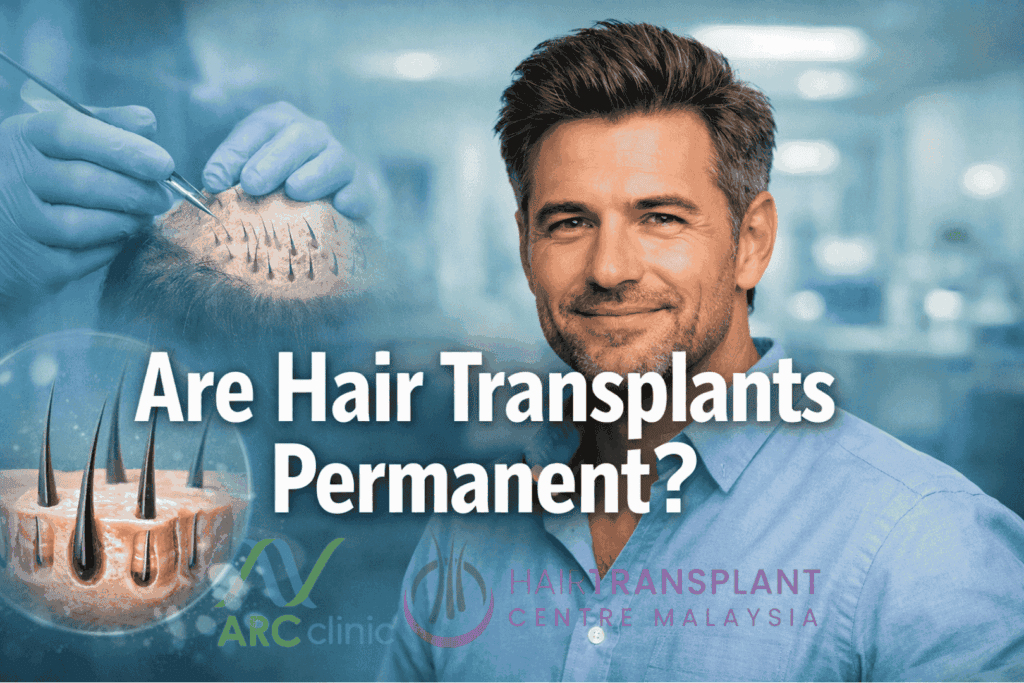
Quick Answer: Yes, hair transplants are generally permanent because the transplanted hair follicles are typically harvested from a donor area on the back or sides of the head, which is genetically resistant to the hormones that cause pattern baldness. These follicles retain their resistance even after being moved to a new location, ensuring their longevity and the permanence of the new hair growth.
Are Hair Transplants Permanent? Key Takeaways
-
- Hair transplants provide a permanent solution for hair loss, as the transplanted follicles resist pattern baldness.
-
- The success hinges on the principle of “donor dominance,” where transplanted follicles maintain their original genetic characteristics.
-
- Results appear gradually over 12-18 months, with initial shedding being a normal part of the process.
-
- Factors like surgical expertise, proper aftercare, and individual genetics influence the overall outcome and longevity.
-
- While the transplanted hair is permanent, existing non-transplanted hair may still thin, potentially requiring future interventions.
-
- Choosing an experienced clinic, like Hair Transplant Centre Malaysia, is crucial for achieving natural and lasting results.
-
- Lifestyle choices and adherence to post-operative instructions significantly impact the health and permanence of the transplanted grafts.
What Makes Hair Transplants Permanent? The Science Behind Lasting Results
Hair transplants are considered a permanent solution because they utilize hair follicles from areas of the scalp genetically programmed to be resistant to androgenetic alopecia, commonly known as male or female pattern baldness. When these resistant follicles are transplanted to thinning or bald areas, they retain their genetic immunity and continue to grow hair for a lifetime.
The scientific foundation for the permanence of hair transplants lies in the concept of “donor dominance.” This principle states that hair follicles, once transplanted, will maintain the characteristics of their original donor site, regardless of their new location. The back and sides of the scalp typically host hair follicles that are not susceptible to the dihydrotestosterone (DHT) hormone, which is the primary cause of pattern baldness.
Consider the story of a patient, Mr. Tan, who came to Hair Transplant Centre Malaysia in 2022. He was deeply concerned about his receding hairline and thinning crown. After a thorough consultation, our team, including Datuk Dr. Inder, explained the donor dominance principle to him. We harvested follicles from his genetically resistant donor area using the FUE method and meticulously transplanted them to his hairline and crown. Fast forward to 2026, Mr. Tan proudly sports a full head of hair, which has remained dense and healthy, a testament to the lasting power of his hair transplant.
The Role of Donor Dominance
-
- Genetic Resistance: Hair follicles on the posterior and lateral aspects of the scalp are genetically resistant to the miniaturizing effects of DHT.
-
- Relocation, Not Transformation: When these resistant follicles are moved to a bald area, they do not acquire the characteristics of the recipient site. Instead, they continue to grow hair as they would in their original location.
-
- Lifelong Growth: This genetic programming ensures that the transplanted hairs are largely impervious to future hair loss, providing a permanent solution for the treated areas.
Understanding the Types of Hair Transplants
While the core principle of donor dominance applies to all modern hair transplant techniques, the methods of harvesting and implanting follicles differ. The two primary methods are:
-
- Follicular Unit Transplantation (FUT): A strip of skin containing hair follicles is surgically removed from the donor area, typically the back of the head. This strip is then dissected into individual follicular units under a microscope, which are subsequently implanted into the recipient area. FUT generally allows for the harvesting of a larger number of grafts in a single session.
-
- Follicular Unit Extraction (FUE): Individual follicular units are extracted directly from the donor area using a micro-punch tool. Each unit is then carefully implanted into the recipient sites. FUE is less invasive, leaves no linear scar, and often has a faster recovery time for the donor area.
Both FUE and FUT leverage the permanence of donor hair, offering excellent, long-lasting results. The choice between techniques often depends on the patient’s specific needs, hair loss pattern, and the surgeon’s recommendation. For a deeper dive into understanding these options, you might find our guide on “Hair Transplant Malaysia: Everything You Need to Know” helpful.
The Hair Growth Cycle After a Transplant: What to Expect
After a hair transplant, the growth cycle of the newly transplanted hairs follows a predictable pattern, which is crucial for understanding the journey to permanent results. Patients should expect several phases, including initial shedding, which is a normal and temporary part of the process, leading to gradual, robust hair growth over 12 to 18 months.
The period immediately following a hair transplant involves several stages that are vital for the successful integration and growth of the transplanted follicles. It’s a journey that requires patience and adherence to post-operative care instructions.
Imagine Ms. Lim, a young professional who underwent a female hair transplant in early 2025 at Hair Transplant Centre Malaysia. She was initially thrilled but then became worried when her transplanted hairs started shedding a few weeks later. Our specialist, Dr. Ashrul Ikhmal, reassured her that this “shock loss” was entirely normal. He explained that the follicles were simply entering a resting phase before beginning new, permanent growth. By early 2026, Ms. Lim’s hair had grown in beautifully, restoring her confidence and proving the temporary nature of the initial shedding. For more on this, explore “1 Week After Hair Transplant: Things Need To Know – HTCM“.
Stages of Hair Growth Post-Transplant:
-
- Days 1-7: The initial healing phase. Small scabs form around the transplanted grafts. Swelling and redness may occur. Adherence to the “Essential 7-Day Hair Transplant Aftercare Guide” is critical.
-
- Weeks 2-4 (Shock Loss): Most transplanted hairs will shed. This is a crucial and normal phase as the follicles enter a resting (telogen) phase before initiating new growth. Do not be alarmed, as this indicates the follicles are preparing for permanent growth.
-
- Months 2-4: New, fine hair begins to emerge from the transplanted follicles. This growth may be thin at first, but it gradually thickens.
-
- Months 5-12: Significant growth is observed. The new hairs become thicker, longer, and blend more naturally with existing hair. The overall density improves noticeably.
-
- Months 12-18: The final results become apparent. The transplanted hair reaches its full maturity, density, and texture. The hairline is established, and the treated area looks natural and full.
Why Shedding Occurs
The shedding of transplanted hairs, known as “shock loss” or telogen effluvium, is a physiological response to the trauma of transplantation. The follicles enter a resting phase, and the existing hair shaft falls out to make way for the new, stronger hair that will grow from the revitalized follicle. This process confirms that the transplanted follicles are adapting and preparing for their permanent growth cycle.
It is important to understand that while the visible hair sheds, the follicle itself remains intact beneath the skin, ready to produce new hair. This temporary shedding is a sign that the transplant procedure has been successful in establishing the follicles in their new location.
How Long Do Hair Transplants Last? Addressing Longevity and Maintenance
Hair transplants provide a permanent solution for hair loss because the transplanted follicles are genetically resistant to balding. The hair grown from these follicles will last a lifetime, continuing to grow, fall out, and regrow just like natural hair. However, it’s important to differentiate between the permanence of transplanted hair and the possibility of existing, non-transplanted hair thinning over time.
While the transplanted hair itself is permanent, the natural aging process and ongoing genetic predispositions can still affect the non-transplanted hair on your scalp. This means that while your transplanted hairline or crown will maintain its density, other areas of your scalp that were not treated might continue to thin if they were susceptible to pattern baldness.
Take the example of Mr. Gopal, who had a frontal hairline transplant at Hair Transplant Centre Malaysia in 2018. His transplanted hairline has remained strong and full, exactly as promised. However, by 2025, he noticed some thinning developing behind the transplanted area in his mid-scalp, which was originally less affected but genetically prone to future loss. He returned for a consultation with Dato’ Dr. Kuladeva Retnam, who advised on a smaller, secondary procedure to address this new thinning, ensuring his overall hair density remained consistent. This highlights the importance of comprehensive long-term planning with your hair restoration specialist. Our article on “Hair Transplantation: Will I Need A Second Hair Transplant?” delves deeper into this.
Factors Influencing Overall Hair Longevity
-
- Genetic Predisposition: While donor hairs are resistant, the progression of hair loss in areas not treated by the transplant can impact the overall perception of hair density over many years.
-
- Age: As individuals age, even genetically resistant hair can experience some natural thinning or weakening, though typically not to the extent of pattern baldness.
-
- Lifestyle and Health: General health, nutrition, stress levels, and habits (like smoking) can influence the health and vitality of all hair, including transplanted hair.
-
- Medical Treatment: Consistent use of hair loss medications (like finasteride or minoxidil) can help preserve existing non-transplanted hair and potentially strengthen transplanted hair, enhancing the overall longevity of results.
-
- Surgical Expertise: The skill of the surgeon and the quality of the transplant procedure significantly impact the survival rate of the grafts and the naturalness of the results, directly affecting long-term satisfaction. Our physicians, with 10+ years of experience and in-depth training, ensure world-class procedures.
The Need for Potential Future Procedures
For some individuals, particularly those with aggressive or ongoing hair loss, a secondary transplant procedure might be considered years down the line. This is typically to:
-
- Address further thinning: If existing native hair in other areas of the scalp continues to thin due to genetic predisposition.
-
- Increase density: To add more density to previously transplanted areas if desired, or to fill in new areas of loss.
-
- Refine the hairline: Minor adjustments to achieve an even more refined or age-appropriate hairline.
This does not imply that the original transplanted hair has fallen out; rather, it reflects the evolving nature of hair loss in untreated areas of the scalp. Regular follow-ups with your hair transplant specialist can help monitor your hair health and plan for any necessary future steps.
What Factors Affect the Permanence of Hair Transplants?
While hair transplants are generally permanent, several factors can influence the quality, density, and overall satisfaction with the long-term results. These include the surgeon’s skill, post-operative care, individual patient characteristics, and the progression of existing hair loss.
The success and lasting naturalness of a hair transplant are not solely dependent on the procedure itself but also on a combination of internal and external elements. Choosing a reputable clinic like Hair Transplant Centre Malaysia, where physicians specialize in the art and science of hair restoration, is paramount.
Consider the narrative of an overseas patient, Mr. David, who chose a discounted hair transplant clinic in another country. He was drawn by the low cost but neglected to research the surgeon’s experience. While his transplanted hair grew initially, the density was poor, and the hairline looked unnatural, primarily due to the surgeon’s inexperience and improper graft placement. He eventually sought help from Hair Transplant Centre Malaysia in 2026, where our expert team advised on a corrective procedure to refine his hairline and improve density, a more complex undertaking than an initial transplant. This anecdote underscores the critical importance of selecting a highly skilled and experienced medical team. Our article, “Is a Cheap Hair Transplant Worth the Risk?“, provides further insights.
Key Factors Influencing Permanent Results:
-
- Surgical Expertise and Experience:
-
- Graft Survival Rate: An experienced surgeon ensures careful harvesting and implantation, maximizing the survival rate of the delicate hair follicles. Dato’ Dr. Kuladeva Retnam and Datuk Dr. Inder, with their extensive experience and in-depth training, are crucial in achieving high graft survival.
-
- Natural Hairline Design: Skilled surgeons can create a natural-looking hairline that complements facial features and ages gracefully, preventing an artificial or “pluggy” appearance.
-
- Density and Direction: Proper density and correct angulation of implanted grafts are essential for a natural aesthetic.
-
- Surgical Expertise and Experience:
-
- Patient Selection and Donor Hair Quality:
-
- Adequate Donor Supply: Patients need sufficient healthy donor hair with good density for a successful transplant.
-
- Hair Characteristics: Hair color, texture, and curl can influence how dense the transplanted hair appears and how well it blends.
-
- Overall Health: Good general health and absence of certain medical conditions can improve healing and graft survival. For more on candidacy, read “Hair Transplant: Who is The Good Candidate? – HTCM“.
-
- Patient Selection and Donor Hair Quality:
-
- Post-Operative Care Adherence:
-
- Following Instructions: Meticulously following the surgeon’s post-operative instructions, including washing protocols, medication, and avoiding strenuous activities, is vital for graft survival and healing. Our “Ultimate Guide to Washing Hair After Hair Transplant” offers detailed guidance.
-
- Protection: Protecting the transplanted area from trauma, sun exposure, and infection is critical during the initial healing phase.
-
- Medication Compliance: Use of prescribed medications (e.g., finasteride, minoxidil) can help stabilize existing hair loss and support the health of transplanted hair.
-
- Post-Operative Care Adherence:
-
- Progressive Hair Loss of Native Hair:
-
- While transplanted hair is permanent, existing non-transplanted hair may continue to thin over time if it’s genetically susceptible to baldness. This can lead to a need for future procedures to maintain overall density. For a detailed perspective, see “Hair Transplant Investment: Long-Term vs. Short-Term“.
-
- Progressive Hair Loss of Native Hair:
Does Lifestyle Affect How Permanent are Hair Transplants?
While the transplanted hair follicles themselves are genetically programmed to be permanent, a healthy lifestyle can significantly support the vitality, growth, and overall aesthetic quality of your hair, both transplanted and native. Poor lifestyle choices, on the other hand, can potentially negatively impact scalp health and the quality of hair growth, even for transplanted grafts.
Think of your transplanted hair as a well-established garden: while the plants themselves are robust, consistent care and a nourishing environment ensure they flourish. Neglect, however, can diminish their vibrancy.
Let’s look at the case of a former patient, Mr. Chong. After his successful hair transplant in 2024, he initially followed all aftercare instructions. However, a year later, he began experiencing high stress levels from work, neglected his diet, and started smoking regularly. While his transplanted hair didn’t “fall out” in the traditional sense, he noticed it became duller and seemed to lack the robust health he saw in others. When he revisited Hair Transplant Centre Malaysia in 2026, Datuk Dr. Inder emphasized the importance of a balanced diet, stress management, and avoiding smoking to optimize overall hair health, illustrating that even permanent hair benefits from a healthy internal environment.
Lifestyle Factors and Their Impact:
-
- Nutrition:
-
- Impact: A balanced diet rich in vitamins, minerals, and proteins is essential for healthy hair growth. Deficiencies can lead to brittle hair or slower growth.
-
- Recommendation: Focus on foods like lean proteins, iron-rich vegetables, zinc, and biotin. Explore our guide on “Optimal Diet After Hair Transplant: Nutritional Success” for specific recommendations.
-
- Nutrition:
-
- Smoking:
-
- Impact: Nicotine and other toxins in cigarettes can constrict blood vessels, reducing blood flow to the scalp and hair follicles. This can impair nutrient delivery and oxygenation, potentially affecting graft survival and the long-term health of hair.
-
- Recommendation: Quitting smoking is highly advisable both before and after a hair transplant.
-
- Smoking:
-
- Alcohol Consumption:
-
- Impact: Excessive alcohol can lead to dehydration and nutrient deficiencies, both of which can negatively affect hair health.
-
- Recommendation: Moderate alcohol intake is generally acceptable, but excessive consumption should be avoided.
-
- Alcohol Consumption:
-
- Stress:
-
- Impact: Chronic stress can lead to various health issues, including telogen effluvium (a type of temporary hair loss) in native hair. While less likely to affect transplanted hair directly in the long term, high stress can still impact overall scalp health and the perception of hair density.
-
- Recommendation: Incorporate stress-reduction techniques like meditation, exercise, or hobbies. Our article on “Grey Hair: What Role does Stress Play – Hair Transplant C M” offers insights.
-
- Stress:
-
- Scalp Care:
-
- Impact: Maintaining good scalp hygiene, avoiding harsh chemical treatments, and gentle handling of hair can prevent damage to both native and transplanted follicles.
-
- Recommendation: Use gentle, sulfate-free shampoos and conditioners. Follow specific instructions for washing and styling, especially in the months following the procedure. See “Post Care of Hair Transplant: 4 Things You Should Never Do” for essential tips.
-
- Scalp Care:
-
- Sun Exposure:
-
- Impact: Excessive sun exposure on the scalp can damage both skin and hair follicles, especially in the initial healing phases.
-
- Recommendation: Protect your scalp from direct, prolonged sun exposure, particularly during the first few months post-transplant. Hats are often recommended (see “When and How to Wear A Hat After Hair Transplant“).
-
- Sun Exposure:
A proactive approach to health and wellness will not only support the longevity of your transplanted hair but also enhance your overall well-being.
Choosing the Right Clinic for Permanent Hair Transplant Results in 2026
Choosing the right hair transplant clinic is the most critical decision for ensuring permanent and natural-looking results in 2026. A reputable clinic staffed by experienced, specialized physicians who adhere to high medical standards is essential for successful hair restoration.
The expertise of the medical team, the technology used, and the clinic’s commitment to patient care directly translate into the permanence and aesthetic quality of your hair transplant. It’s an investment in your future appearance and confidence, so selecting the best possible provider, such as Hair Transplant Centre Malaysia, should be a top priority.
Consider the story of a patient, Mr. Amir, who traveled from overseas to Hair Transplant Centre Malaysia after extensive research. He initially considered clinics based solely on cost but then realized the importance of expertise. He was impressed by our physicians’ in-depth training, 10+ years of experience, and numerous Global Health Awards. During his consultation, Dato’ Dr. Kuladeva Retnam and Datuk Dr. Inder meticulously planned his hairline, showing him how the density and direction would achieve a perfectly natural look. Mr. Amir’s experience underscores that while the underlying biology of permanent hair is consistent, the artistry and precision of the medical team are what truly define a superior and lasting outcome. This clinic’s dedication to world-class procedures makes it one of the best choices for effective hair loss treatment in Malaysia. For more advice, check out “How to Choose The Best Hair Transplant Clinic in Malaysia?“.
Key Considerations When Choosing a Clinic:
-
- Specialized Expertise:
-
- Hair-Focused Physicians: Seek clinics where physicians specialize exclusively in hair restoration. At Hair Transplant Centre Malaysia, our physicians’ primary focus is the art and science of hair restoration.
-
- In-depth Training: Ensure the medical team has undergone extensive, specialized training. Our physicians receive in-depth training to master unique artistry and techniques.
-
- Specialized Expertise:
-
- Surgeon’s Experience and Credentials:
-
- Years of Experience: Look for physicians with a proven track record. Many of our physicians have at least ten years of experience.
-
- Certifications and Memberships: Verify that surgeons are board-certified and active members of reputable organizations like the International Society of Hair Restoration Surgery (ISHRS), which Datuk Dr. Inder is a member of, and Dr. Ashrul Ikhmal is an Associate Member of.
-
- Surgeon’s Experience and Credentials:
-
- Awards and Recognition:
-
- Industry Honors: Clinics whose physicians have received awards for excellence in hair restoration surgery, such as the Global Health Awards received by our physicians, demonstrate a commitment to outstanding results.
-
- Awards and Recognition:
-
- Technology and Techniques:
-
- Advanced Equipment: A clinic utilizing state-of-the-art equipment for FUE and FUT procedures can ensure precision and better outcomes.
-
- Customized Approach: The clinic should offer a personalized treatment plan based on your unique hair loss pattern and aesthetic goals.
-
- Technology and Techniques:
-
- Patient Reviews and Before/After Photos:
-
- Testimonials: Positive patient experiences and detailed testimonials are strong indicators of quality.
-
- Visual Evidence: Review comprehensive before-and-after galleries to assess the naturalness and density of previous results.
-
- Patient Reviews and Before/After Photos:
-
- Consultation Process:
-
- Thorough Evaluation: A good clinic will provide a detailed consultation, explaining the procedure, potential risks, expected outcomes, and post-operative care. They should assess your donor hair adequacy and overall health.
-
- Consultation Process:
-
- Aftercare Support:
-
- Comprehensive Guidance: Ensure the clinic provides clear and thorough post-operative instructions and ongoing support during the healing and growth phases.
-
- Aftercare Support:
Choosing a clinic like Hair Transplant Centre Malaysia, with its experienced team including Dato’ Dr. Kuladeva Retnam, Datuk Dr. Inder, and Dr. Ashrul Ikhmal, dedicated unit, and proven track record, significantly increases the likelihood of achieving permanent, satisfying, and natural-looking hair transplant results.
Understanding the “Permanent Safe Zone” in Hair Transplants
The “permanent safe zone” refers to the area on the scalp, typically at the back and sides, where hair follicles are genetically resistant to the effects of dihydrotestosterone (DHT), the hormone responsible for male and female pattern baldness. Hair extracted from this zone and transplanted to thinning areas will continue to grow permanently, as it retains its original genetic characteristics.
This concept is foundational to the success of hair transplant surgery. Without this “permanent safe zone,” the principle of donor dominance would not hold, and transplanted hair would eventually succumb to the same balding process as the hair in the recipient area.
Let’s consider an illustrative story. Mr. Kamal had significant hair loss at the crown and frontal areas. During his consultation at Hair Transplant Centre Malaysia, Dr. Ashrul Ikhmal meticulously examined his donor area, specifically highlighting the dense, healthy hair at the back of his scalp as his “permanent safe zone.” This was the source of his future, permanent hair. Dr. Ashrul explained that harvesting from this area ensured the longevity of the transplant, as these hairs would never fall out due due to pattern baldness. Mr. Kamal’s successful transplant relied entirely on utilizing these resilient follicles. To learn more, check out “What is a Permanent Safe Zone for FUE Hair Restoration“.
Characteristics of the Permanent Safe Zone:
-
- Genetic Resistance: The hair follicles in this region are genetically programmed not to be affected by DHT. This resistance is maintained even after transplantation.
-
- Location: Primarily located at the back of the scalp (occipital region) and extending to the sides (parietal regions). The exact boundaries can vary slightly between individuals.
-
- Donor for Life: Hair harvested from this zone is expected to grow permanently in its new location.
-
- Density and Quality: Ideally, the safe zone should have good hair density and healthy, robust follicles to ensure an adequate supply for transplantation.
Importance in Hair Transplant Planning:
-
- Viable Donor Supply: The extent and quality of the permanent safe zone determine the number of grafts that can be safely harvested without compromising the donor area’s appearance.
-
- Long-Term Results: By selecting grafts exclusively from this zone, surgeons ensure that the transplanted hair will be resistant to future pattern baldness, providing permanent results.
-
- Aesthetic Considerations: Careful harvesting from the safe zone is also crucial to maintain the aesthetic integrity of the donor area itself, preventing visible thinning or scarring.
-
- FUE vs. FUT: Both FUE (Follicular Unit Extraction) and FUT (Follicular Unit Transplantation) techniques rely on harvesting from the permanent safe zone. FUT removes a strip, while FUE extracts individual units, but the source remains the same.
Understanding the concept of the permanent safe zone is essential for any patient considering a hair transplant. It provides the assurance that the hair they gain will be truly their own and will last for a lifetime.
Conclusion
The question, “Are hair transplants permanent?” can definitively be answered with a resounding yes. The science of donor dominance ensures that the hair follicles transplanted from the genetically resistant “permanent safe zone” will continue to grow naturally for a lifetime in their new location, unaffected by pattern baldness. This makes hair transplantation a genuinely lasting solution for individuals seeking to restore their hair and confidence.
However, the permanence of the outcome is inextricably linked to several crucial factors: the expertise of the surgical team, the adherence to post-operative care, and an understanding of the natural progression of non-transplanted hair. While the transplanted grafts are resilient, maintaining overall hair health through a balanced lifestyle and considering potential future procedures for native hair loss are wise long-term strategies.
At Hair Transplant Centre Malaysia, we pride ourselves on delivering world-class hair transplant procedures that yield permanent, natural-looking results. Our dedicated team, including Dato’ Dr. Kuladeva Retnam, Datuk Dr. Inder, and Dr. Ashrul Ikhmal, brings over 10 years of specialized experience, in-depth training, and a passion for the art and science of hair restoration. We understand the journey to a fuller head of hair and are committed to guiding our patients through every step, ensuring their investment in themselves results in lasting satisfaction.
If you are considering a hair transplant in 2026 and seek a permanent solution performed by award-winning specialists, we invite you to connect with us. Your journey to regain a natural, confident look begins with an expert consultation.
Are Hair Transplants Permanent? Actionable Next Steps:
-
- Schedule a Consultation: Contact Hair Transplant Centre Malaysia to book a personalized consultation with our expert physicians. This is the first step to assess your suitability for a transplant and discuss your unique goals.
-
- Educate Yourself: Explore the comprehensive resources on our website, including guides on specific procedures, aftercare, and patient experiences.
Prepare Your Questions: Compile a list of questions to ask during your consultation, ensuring you feel fully informed and confident in your decision
💡 Important Note on Hair Transplant Permanence
While the transplanted hair itself is permanent, derived from genetically resistant follicles, it is crucial to understand that your existing native hair may still be susceptible to future thinning or loss. A comprehensive long-term strategy, possibly including medical treatments or secondary procedures, might be necessary to maintain overall density and consistency. Regular follow-ups with your specialist are highly recommended for optimal, lasting results.
The “donor dominance” principle states that hair follicles, when transplanted, retain the genetic characteristics of their original donor site. This means hair taken from the back and sides of the head (which are resistant to balding) will continue to grow permanently, even when moved to a balding area.
Yes, with an experienced and skilled surgeon, transplanted hair can look very natural. Expert physicians meticulously plan the hairline, density, and direction of hair growth to blend seamlessly with your existing hair and facial features, ensuring an undetectable result.
While some initial growth may appear around 3-4 months, the final, mature results of a hair transplant typically take 12 to 18 months to fully manifest. This allows the transplanted follicles to go through their complete growth cycle and for the hair to thicken.