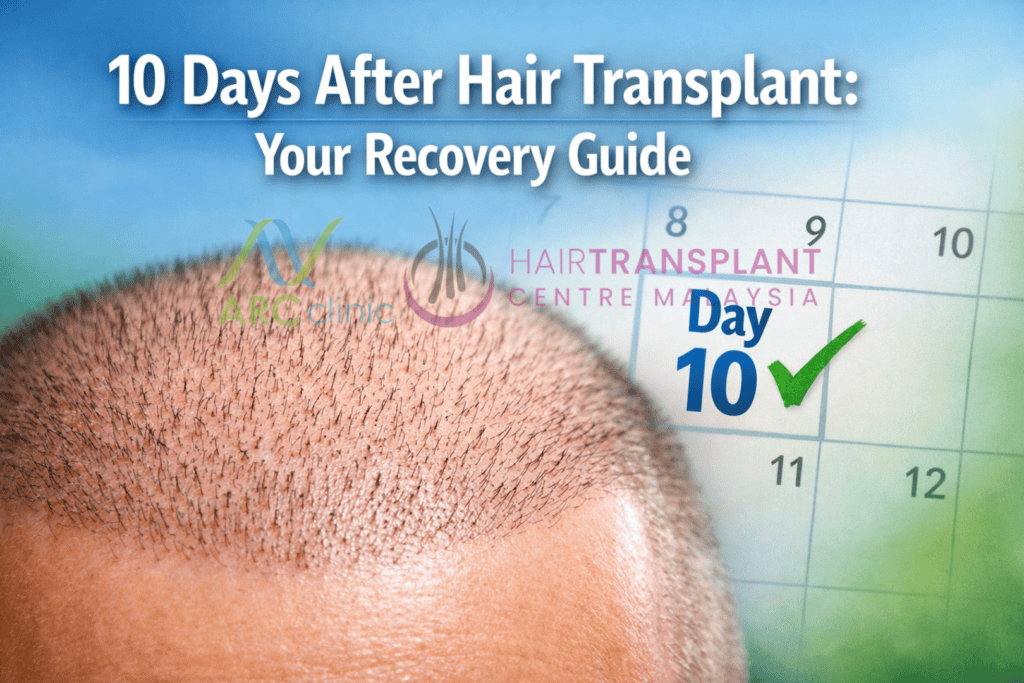
At 10 days after a hair transplant, you are past the most delicate initial healing phase, with most scabs and crusts likely gone, and the transplanted grafts generally considered secure. This period marks a crucial transition where careful adherence to aftercare instructions continues to be paramount for optimal results, focusing on gentle hygiene, avoiding trauma, and fostering a healthy environment for future growth.
Key Takeaways
- Graft Security: By day 10, transplanted grafts are typically well-anchored, reducing the risk of accidental dislodgement.
- Crust Removal: Most scabs and crusts should have naturally fallen off, or be very loose and easily washed away with gentle care.
- Appearance: Redness and swelling in the recipient area usually significantly decrease, and the donor area shows good progress in healing.
- Washing Routine: Continue with the prescribed gentle washing technique, ensuring the scalp is kept clean without irritation.
- Activity Restrictions: Strenuous activities, heavy lifting, and direct sun exposure should still be avoided to prevent complications.
- Common Symptoms: Mild itching, numbness, or tightness are normal and generally subside as healing progresses.
- Follow-Up: A follow-up consultation with your clinic, like Hair Transplant Centre Malaysia, is often scheduled around this time to assess healing.
- Nutritional Support: Maintain a healthy diet to support overall healing and hair growth.
- Patience is Key: Visible hair growth is still months away; focus on proper aftercare for the best long-term outcome.
- Avoid Manipulation: Refrain from picking at any remaining crusts or scratching the scalp forcefully.
What to Expect and See 10 Days After Hair Transplant
By 10 days after a hair transplant, patients typically observe significant progress in the healing of both the donor and recipient areas, with most of the initial signs of surgery beginning to recede. The critical vulnerability period for the transplanted grafts has largely passed, meaning they are much more securely embedded in the scalp.
In the recipient area, where new hair follicles were placed, the majority of the small scabs and crusts that formed around each graft should have either fallen off naturally or be very loose and ready to be gently washed away. This process reveals a cleaner scalp, though some residual redness might still be present, varying in intensity from person to person. The tiny transplanted hairs themselves, though still short, are usually visible within the scalp.
Concurrently, the donor area, from where the follicles were harvested, should also show good signs of healing. If an FUE (Follicular Unit Excision) procedure was performed, the small punch wounds will have largely closed, appearing as tiny, healing dots. Any discomfort or tightness from the donor area should have diminished significantly. Some patients might even notice very short stubble starting to grow in the donor area, indicating that the hair follicles there are recovering.
It’s important to remember that while the grafts are more secure, the scalp is still recovering from a surgical procedure. Minor swelling might persist in some individuals, particularly around the forehead or eyes, but it should be significantly less than in the first few days. Slight numbness or a tingling sensation in the treated areas is also a common and normal part of the healing process.
“The 10-day mark is a pivotal point where patients often feel a surge of relief, seeing the most noticeable signs of the procedure diminish. It’s a testament to the body’s natural healing ability and adherence to our precise aftercare instructions.”
– Datuk Dr. Inder, Hair Transplant Centre Malaysia
If crusts are stubbornly clinging on, resist the urge to pick them. Instead, increase the frequency or duration of gentle, prescribed washing, allowing them to soften and detach naturally. Forceful removal can damage the delicate grafts.
How Do the Donor and Recipient Areas Look at 10 Days After Hair Transplant?
At the 10-day mark following a hair transplant, both the donor and recipient areas should exhibit noticeable signs of healing, indicating successful progression through the initial recovery phase. The appearance of these areas is a strong indicator of how well the grafts have settled and how effectively the patient has followed post-operative care.
Recipient Area Appearance
The recipient area, where the new hair follicles have been implanted, typically looks significantly cleaner and less irritated than in the first few days.
- Crusts/Scabs: The most striking change is the substantial reduction or complete absence of the small blood clots and crusts around each transplanted graft. These should have either naturally shed or become very soft and easily removed during the gentle washing process. A clean scalp is crucial as persistent crusts can harbor bacteria or impede nutrient flow to the grafts.
- Redness: While some degree of redness is expected, it should be significantly diminished compared to the first week. The skin might appear a light pink or reddish hue, which is normal as new capillaries form and the skin recovers. This redness can last for several weeks or even months in some individuals, particularly those with fair skin.
- Swelling: Any initial swelling in the forehead or around the eyes should have largely subsided by this point. Minimal residual swelling may be present but is generally not a cause for concern.
- Hair Appearance: The transplanted hairs themselves are visible, typically very short and appearing like stubble. It’s crucial to understand that these hairs will likely shed over the next few weeks (known as ‘shock loss’) before new, permanent growth begins.
- Texture: The scalp should feel less tight and tender. Some areas might still feel slightly numb due to nerve regeneration, which is a temporary and normal sensation.
Donor Area Appearance
The donor area, usually at the back or sides of the head, also shows considerable healing.
- FUE (Follicular Unit Excision): For FUE procedures, the tiny extraction sites will have largely closed and might appear as small, pinkish dots that are beginning to fade. The area should feel much less tender, and any initial discomfort should have substantially decreased. If the surrounding hair was trimmed, it might have grown slightly, offering more coverage.
- FUT (Follicular Unit Transplantation): If an FUT procedure was performed, the linear incision line will be well-healed, though a fine scar will remain. Stitches, if not dissolvable, might be ready for removal if not already done on an earlier follow-up visit. The area should be less sensitive.
If you notice any unusual persistent redness, excessive swelling, pus, or significant pain in either area, it’s important to contact your clinic immediately, as these could be signs of an infection or other complication. Our team at Hair Transplant Centre Malaysia is always available to address any concerns. For more details on potential issues, review our guide on “Short-term complications after hair transplant.”
The Importance of Washing Your Hair 10 Days After Hair Transplant
Washing your hair 10 days after a hair transplant is critically important as it helps to keep the scalp clean, remove any remaining scabs, and prevent infection, all while promoting a healthy healing environment for the newly implanted grafts. By this stage, the grafts are generally secure, allowing for a slightly more confident, yet still very gentle, washing technique.
The primary goals of washing at this stage are:
- Crust Removal: Any lingering crusts or scabs around the grafts need to be gently softened and removed. These crusts, if left on the scalp, can impede the proper growth of the new hair, potentially creating an unhealthy environment that hinders follicular development. They can also make the scalp itchy and uncomfortable.
- Infection Prevention: Regular, gentle washing removes dirt, dead skin cells, and any residual dried blood, significantly reducing the risk of bacterial accumulation and subsequent infection. A clean scalp is a healthy scalp, essential for graft survival and successful growth.
- Reducing Inflammation and Itching: A clean scalp tends to experience less inflammation and itching, making the recovery process more comfortable. Accumulated debris can exacerbate these symptoms.
- Promoting Healing: The act of gently massaging the scalp during washing can stimulate blood flow, which is beneficial for delivering nutrients and oxygen to the healing tissues and newly transplanted follicles.
Proper Washing Technique
At Hair Transplant Centre Malaysia, we emphasize a specific, gentle washing protocol around 10 days after hair transplant:
- Use Prescribed Products: Always use the specialized shampoo and conditioner recommended by your surgeon. These products are typically pH-balanced, mild, and designed not to irritate the healing scalp.
- Gentle Application: Apply the shampoo foam directly to the recipient and donor areas without rubbing vigorously. For the recipient area, gently pat the foam onto the scalp rather than scrubbing.
- Soaking Time: Allow the shampoo to sit on the scalp for a few minutes (as instructed by your clinic) to help soften any remaining crusts.
- Rinsing: Rinse the scalp with lukewarm, low-pressure water. Avoid direct, strong streams of water. A cup or a very gentle shower setting is ideal. Ensure all shampoo residue is completely rinsed off.
- Drying: Gently pat the scalp dry with a soft, clean towel. Never rub or scrub. Air drying is also an option if preferred.
- Frequency: Continue to follow your surgeon’s recommended washing frequency, which might be daily or every other day at this stage, until all crusts are gone.
Failing to wash adequately can lead to persistent crusts, potential infection, and compromised graft viability. However, being too aggressive can still damage the newly secure, but still delicate, follicles. The key is gentle consistency. For a detailed guide on this crucial step, refer to our “Ultimate Guide to Washing Hair After Hair Transplant”.
Activities and Restrictions at 10 Days After Hair Transplant
Even though the grafts are more secure, adhering to specific activity restrictions 10 days after a hair transplant remains vital to prevent complications and ensure optimal healing and growth. Most strenuous activities are still discouraged, and specific care must be taken to protect the scalp from trauma or excessive environmental exposure.
Recommended Activities
- Light Daily Activities: You can generally resume most normal, non-strenuous daily activities such as working from home, light household chores, and walking at a leisurely pace.
- Work (Non-Physical): For those with desk jobs or roles that don’t involve physical exertion, returning to work is usually acceptable.
- Gentle Social Interaction: Light social activities that do not involve physical contact or excessive movement are generally fine.
Activities to Avoid or Limit
It is crucial to avoid any activity that could negatively impact the healing scalp or dislodge grafts, even if they are more secure.
- Strenuous Exercise: Avoid any heavy exercise, weightlifting, jogging, or high-impact sports. Increased heart rate and blood pressure can lead to swelling or bleeding. Sweating can also irritate the healing scalp and potentially increase the risk of infection. Plan to reintroduce exercise gradually after consulting your surgeon, typically after 2-4 weeks.
- Direct Sun Exposure: Protect your scalp from direct sunlight. The newly healed skin is particularly sensitive and vulnerable to sunburn, which can damage grafts and lead to hyperpigmentation. Wear a loose-fitting hat (ensuring it does not rub or compress the transplanted area) if you must be outdoors, but ideally, avoid prolonged exposure. Read our guide on “When and How to Wear A Hat After Hair Transplant” for proper guidance.
- Swimming: Stay away from pools, hot tubs, saunas, and oceans. Chlorinated water, saltwater, and bacteria in public water sources can pose an infection risk and irritate the healing scalp.
- Alcohol and Smoking: Continue to avoid alcohol, which can thin the blood and affect healing, and smoking, which restricts blood flow and can significantly impair graft survival and overall recovery.
- Head Trauma: Be extremely cautious to avoid any bumps, scrapes, or direct impact to the head. Even a light brush could potentially dislodge a graft that is still embedding.
- Scratching or Picking: Resist the urge to scratch your scalp, even if it feels itchy. Picking at any remaining crusts can damage the grafts or introduce infection.
- Hair Styling Products: Avoid using any hair gels, sprays, or other styling products, as they can contain chemicals that irritate the sensitive scalp or clog follicles.
- Sexual Activity: While individual advice may vary, some clinics recommend abstaining from sexual activity for up to 2 weeks due to the potential for increased heart rate, sweating, and accidental head contact. It’s best to follow your surgeon’s specific advice on this.
It is always better to err on the side of caution during this critical healing period. Your patience and strict adherence to these guidelines will significantly contribute to the success of your hair transplant. Remember, the investment made in the procedure is safeguarded by careful post-operative care.
When to Contact Your Clinic: Red Flags at 10 Days Post-Transplant
While minor symptoms are normal, it is crucial to recognize potential red flags at 10 days after a hair transplant that warrant immediate contact with your clinic. Prompt communication ensures that any complications are addressed swiftly, safeguarding your health and the success of your transplant.
You should contact Hair Transplant Centre Malaysia if you experience any of the following:
- Excessive Swelling: While some minor swelling might linger, particularly around the forehead, any new or increasing significant swelling, especially accompanied by pain, should be reported.
- Severe Pain: Moderate discomfort is normal, but intense, persistent pain that is not alleviated by prescribed pain medication could indicate a problem.
- Pus or Discharge: The appearance of yellow or green pus, or any unusual discharge from the donor or recipient areas, is a strong indicator of infection and requires immediate medical attention. Clear fluid (serous fluid) is less concerning but should still be mentioned if excessive.
- Fever: A fever (temperature above 38°C or 100.4°F) without an obvious other cause can signal a systemic infection related to the transplant.
- Unusual Redness: While mild redness is normal, redness that is intense, spreading rapidly, or accompanied by warmth to the touch, especially around the edges of the treated areas, could indicate infection or an inflammatory reaction.
- Bleeding: Minor oozing is generally okay, but active or significant bleeding from either the donor or recipient area that does not stop with light pressure should be reported.
- Allergic Reaction: Symptoms such as widespread itching, hives, rash, or difficulty breathing (though rare for a local procedure) require urgent medical attention as they could be an allergic reaction to medication or materials used.
- Sudden Loss of Numbness/Tingling Followed by Severe Pain: While numbness is common, a sudden change could sometimes indicate nerve irritation.
- Significant Graft Dislodgement: Although grafts are more secure by day 10, if you notice a significant number of grafts visibly dislodged (e.g., small hairs with a white bulb attached), contact your clinic. A few individual hairs falling out is usually normal and part of shock loss, but entire grafts are a concern.
Our experienced team, including Dato’ Dr. Kuladeva Retnam and Datuk Dr. Inder, is always here to provide guidance and support throughout your recovery journey. When in doubt, it is always best to err on the side of caution and reach out to our clinic. Early intervention can prevent minor issues from becoming major problems.
Medications and Post-Operative Care at 10 Days
Adhering to the prescribed medication regimen and continuing meticulous post-operative care at 10 days after a hair transplant is fundamental for supporting healing, preventing infection, and minimizing discomfort. While the initial acute phase may be over, these practices ensure a smooth transition into the next stages of recovery.
Continuing Medications
Your surgeon from Hair Transplant Centre Malaysia will provide specific instructions regarding medications, which typically include:
- Antibiotics: If prescribed, you might be finishing a course of oral antibiotics around this time. These are crucial for preventing post-operative infections in both the donor and recipient areas. It is vital to complete the entire course as directed, even if you feel fine.
- Pain Relievers: You may still take over-the-counter pain relievers (like paracetamol) if you experience any residual discomfort, though by day 10, most patients report significantly reduced pain. Avoid aspirin or ibuprofen unless specifically cleared by your surgeon, as they can thin the blood.
- Anti-Inflammatories: Occasionally, a short course of anti-inflammatory medication might be prescribed to manage swelling, which should be winding down by this point.
- Topical Sprays/Solutions: Many clinics recommend specialized saline or nutrient-rich sprays to keep the scalp hydrated and promote healing. Continue using these as instructed. These often help soothe irritation and facilitate crust removal.
- Hair Growth Medications: If you were already on medications like Finasteride or Minoxidil before your transplant, your surgeon will advise you on when to resume them. Minoxidil is usually paused for a couple of weeks post-surgery to avoid irritation on the healing scalp.
Essential Post-Operative Care Practices
Beyond medication, several care practices remain important:
- Gentle Scalp Care: Continue your gentle washing routine as advised, ensuring all crusts are softening and detaching. Avoid harsh scrubbing or direct, high-pressure water.
- Avoid Touching/Picking: Resist the urge to pick at any remaining scabs or to scratch your scalp forcefully, even if it feels itchy. Use light patting or prescribed soothing solutions if itching is bothersome.
- Sleeping Position: Continue to sleep with your head slightly elevated, perhaps using two pillows, to help manage any residual swelling. Avoid sleeping directly on the recipient or donor areas if they are still sensitive.
- Loose Clothing: Opt for loose-fitting clothing that doesn’t need to be pulled over the head, to avoid accidental contact with the sensitive scalp. Button-up shirts are ideal.
- Hydration and Nutrition: Maintain good hydration and a balanced, nutritious diet rich in vitamins and minerals. Proper nutrition supports the body’s healing processes and provides the necessary building blocks for new hair growth. Our guide on “Optimal Diet After Hair Transplant: Nutritional Success” offers valuable insights.
- Patience: Understand that visible hair growth takes time. The initial transplanted hairs will likely shed (shock loss) over the coming weeks, which is a normal part of the process. New growth typically begins around 3-4 months post-surgery.
Common Mistake: A common mistake is discontinuing medications or aftercare routines prematurely once visible signs of surgery lessen. The internal healing and graft establishment continue beyond what is visible, so consistency is key.
If you have any questions about your medications or post-operative care, do not hesitate to contact Hair Transplant Centre Malaysia. Our team, including Dr. Ashrul Ikhmal, who is a member of the FUE Europe Society and ISHRS, is committed to providing comprehensive support.
Addressing Common Concerns: Itching, Numbness, and Bumps at 10 Days After Hair Transplant
Around 10 days after a hair transplant, it’s common for patients to experience a range of sensations and minor issues such as itching, numbness, and the appearance of small bumps. Understanding that these are typically normal parts of the healing process can help alleviate anxiety, though it’s important to know when to seek professional advice.
Itching (Pruritus)
Why it happens: Itching is one of the most frequently reported symptoms during hair transplant recovery. It’s often a sign of healing, as nerve endings regenerate and new skin forms. The process of crusts detaching can also contribute to itchiness.
What to do:
- Gentle Washing: Continue with your prescribed gentle washing routine. Keeping the scalp clean helps remove irritating debris.
- Saline Sprays: Many clinics recommend saline or specialized soothing sprays, which can help calm the itch.
- Avoid Scratching: Crucially, resist the urge to scratch directly. Scratching can dislodge grafts, introduce bacteria, or irritate the scalp further. Instead, gently pat the itchy area with the palm of your hand if necessary, or use a cool compress.
- Antihistamines: If itching is severe and disruptive, discuss with your surgeon whether an oral antihistamine might be appropriate.
Numbness or Altered Sensation
Why it happens: It’s very common to experience numbness, tingling, or an altered sensation in both the donor and recipient areas. This occurs because the tiny nerve endings in the scalp are temporarily disrupted during the graft harvesting and implantation process.
What to do:
- Patience: This sensation is almost always temporary and resolves as the nerves regenerate. It can take several weeks to several months for full sensation to return.
- No Action Required: Generally, no specific action is needed beyond observing the sensation.
- Report Concerns: If numbness is accompanied by severe pain or seems to be spreading rapidly, contact your clinic.
Small Bumps or Pimples
Why it happens: Around the 10-day mark, and sometimes slightly later, some patients might notice small, red bumps or pimple-like lesions in the transplanted area. These are usually either:
- Folliculitis: Inflammation of the hair follicles, often caused by ingrown hairs as the new hairs try to emerge. It can be sterile or bacterial.
- Cystic formations: Tiny cysts can sometimes form as the skin heals around the newly placed follicles.
What to do:
- Maintain Hygiene: Continue gentle washing to keep the scalp clean.
- Warm Compresses: For minor, non-painful bumps, a warm, moist compress can sometimes help.
- Do Not Pick or Squeeze: Avoid picking, squeezing, or attempting to pop these bumps, as this can lead to infection, scarring, or damage to the grafts.
- Consult Your Clinic: If the bumps are painful, growing, filled with pus, widespread, or accompanied by fever, contact Hair Transplant Centre Malaysia. Your surgeon may prescribe a topical or oral antibiotic if a bacterial infection is suspected. For more information, please see our article on “Bumps on Transplanted Hair.”
“The early stages of recovery can bring various sensations, but most are normal signs of your body healing. Our role is to guide you through this, differentiating between what’s typical and what requires medical attention.”
– Dato’ Dr. Kuladeva Retnam, Hair Transplant Centre Malaysia
Understanding these common experiences can provide peace of mind. However, always prioritize direct communication with your surgical team if you have any significant concerns or observe anything unusual.
Long-Term Outlook and What Comes Next After 10 Days
While 10 days after a hair transplant marks the end of the initial critical phase, it is merely the beginning of a longer journey towards full hair growth and final results. Understanding the long-term outlook and subsequent stages of recovery helps manage expectations and maintain proper care for optimal success.
The Phases Following 10 Days After Hair Transplant
- Weeks 2-4: The Shedding Phase (Shock Loss): This is perhaps the most emotionally challenging period for many patients. The transplanted hairs, having gone through trauma, will typically shed. This “shock loss” is a normal and expected part of the process, making way for the new, permanent hairs to grow. The follicles remain intact beneath the skin.
- Months 3-4: Early Growth: Around the third to fourth month, new hair growth will begin. Initially, these hairs may appear fine, thin, and sparse, resembling “peach fuzz.” They will gradually thicken and become more robust over time.
- Months 6-9: Significant Growth: By six to nine months, you should observe more substantial and noticeable hair growth. The new hairs will continue to mature, gaining thickness and density. This is often when patients start to see a significant improvement in their appearance.
- Months 12-18: Final Results: The full results of a hair transplant typically take 12 to 18 months to fully materialize. During this period, the transplanted hairs will continue to mature, blend naturally with existing hair, and achieve their final density and texture. For some crown area transplants, it might take up to 24 months for complete maturity.
The Importance of Continued Care
Even after the initial healing period, ongoing care is important for the health of your scalp and the transplanted hair:
- Medical Treatments: Your surgeon may recommend continuing or starting medical treatments like Minoxidil or Finasteride to support the growth of transplanted hair and to strengthen existing native hair, preventing further hair loss.
- Sun Protection: Continue to protect your scalp from excessive sun exposure, especially during the first year, as the skin can remain sensitive.
- Healthy Lifestyle: Maintain a balanced diet, stay hydrated, manage stress, and avoid smoking and excessive alcohol consumption. These lifestyle factors contribute significantly to overall hair health and the vitality of your new grafts.
- Regular Follow-Ups: Adhere to any scheduled follow-up appointments with your clinic. These allow your surgeon to monitor your progress, address any concerns, and provide tailored advice.
“Hair transplantation is a journey, not a sprint. While day 10 marks a significant milestone in healing, the true artistry of the procedure unfolds over the next 12-18 months as the new hair emerges and matures. Patience and consistent care are your best allies.”
– Dr. Ashrul Ikhmal, Hair Transplant Centre Malaysia
The dedication you put into your post-operative care in the early days, including the 10 days after hair transplant, lays the foundation for the long-term success and natural-looking results you desire. Hair Transplant Centre Malaysia is committed to supporting you at every stage of this transformative process, from initial consultation to final results. For an overview of our comprehensive services, visit our page on “Hair Transplant in Malaysia.”
Conclusion
The period 10 days after a hair transplant is a significant milestone in the recovery journey. By this point, the transplanted grafts are generally secure, and much of the initial post-operative redness and crusting should have subsided, paving the way for a cleaner, albeit still delicate, scalp. Patients can expect to see the recipient area much clearer, with tiny transplanted hairs visible, and the donor area well on its way to healing.
However, this is not a signal to return to normal activities without caution. Gentle washing, diligent adherence to medication protocols, and strict avoidance of strenuous activities, direct sun exposure, and head trauma remain critically important. Common sensations such as itching, numbness, and the occasional small bump are usually normal signs of healing, but any severe or unusual symptoms warrant immediate contact with your clinic.
Understanding that this phase is just the beginning of the hair growth journey is key. The subsequent weeks will bring the temporary shedding of transplanted hairs, followed by the gradual emergence of new, permanent growth over many months. Patience, consistent care, and open communication with your hair restoration specialist are the cornerstones of achieving the best possible, natural-looking results from your investment. Hair Transplant Centre Malaysia, with its team of experienced physicians like Dato’ Dr. Kuladeva Retnam, Datuk Dr. Inder, and Dr. Ashrul Ikhmal, stands ready to guide and support you through every step of this transformative experience in 2026.
Actionable Next Steps:
- Re-evaluate your washing technique: Ensure you are consistently following the prescribed gentle washing method to facilitate crust removal without harming grafts.
- Review activity restrictions: Confirm you are still avoiding strenuous activities, heavy lifting, and direct sun exposure.
- Check medication adherence: Verify you are taking all prescribed medications (antibiotics, anti-inflammatories) exactly as directed.
- Monitor your scalp: Regularly, but gently, check your scalp for any unusual signs like excessive redness, swelling, pus, or severe pain, and contact your clinic if concerns arise.
- Prepare for shock loss: Mentally prepare for the upcoming shedding phase (weeks 2-4) and understand it’s a normal part of the process.
Related Reading:
- Essential 7-Day Hair Transplant Aftercare Guide
- Ultimate Guide to Washing Hair After Hair Transplant
- Optimal Diet After Hair Transplant: Nutritional Success
- When and How to Wear A Hat After Hair Transplant
- Short-term complications after hair transplant
Hair Transplant Recovery: Interactive Timeline
Day 1: Immediate Post-Op
On Day 1, the scalp will be tender, and grafts are very delicate. You’ll have tiny scabs and possibly some swelling. Critical care includes:
- Keep head elevated to reduce swelling.
- Avoid touching or rubbing the recipient area.
- Follow initial washing instructions carefully (often a gentle rinse).
- Take prescribed medications (painkillers, antibiotics).
Day 3: Initial Healing Begins
Swelling might peak around Day 2-3. Scabs will be more apparent. Focus on:
- Continuing gentle scalp washes as instructed.
- Managing swelling with head elevation and possibly cold compresses (away from grafts).
- Avoiding any strenuous activity or direct sun exposure.
- Ensuring proper hydration.
Day 10: Grafts Secure, Scabs Gone
At 10 days after hair transplant, grafts are generally considered secure. Most crusts should have fallen off, revealing a cleaner scalp. However, continued gentle care is paramount:
- **Graft Security:** Grafts are well-anchored, minimizing dislodgement risk.
- **Crust Removal:** Most scabs should have naturally shed or be easily washed away.
- **Appearance:** Redness and swelling significantly reduced. Donor area healing well.
- **Washing:** Continue gentle washing to keep scalp clean.
- **Activities:** Avoid strenuous exercise, direct sun, swimming.
- **Symptoms:** Mild itching, numbness, or tightness are normal.
Month 1 (Week 4): Shock Loss Phase
Around 2-4 weeks, the transplanted hairs enter the ‘shock loss’ phase and will shed. This is completely normal and expected. The follicles remain under the skin, preparing for new growth.
- Shedding of transplanted hairs is prominent.
- Scalp usually looks much less red.
- Can typically resume light exercise after surgeon’s approval.
- Continue protecting scalp from sun.
Month 6: First Visible Growth
By 6 months, you should start seeing noticeable new hair growth. These hairs may be fine at first, gradually thickening over time.
- New hair begins to emerge, often thin and sparse initially.
- Scalp sensation gradually returns.
- Can typically resume all normal activities, including hair cutting.
- Continue any prescribed growth medications.
Year 1 (Month 12): Significant Results
One year post-transplant, you will see significant density and maturity in your new hair. The final results continue to improve up to 18 months, or even 24 months for crown areas.
- Substantial increase in hair density and thickness.
- Hair blends naturally with existing hair.
- Final assessment of the transplant success.
- Continue a healthy lifestyle to maintain results.