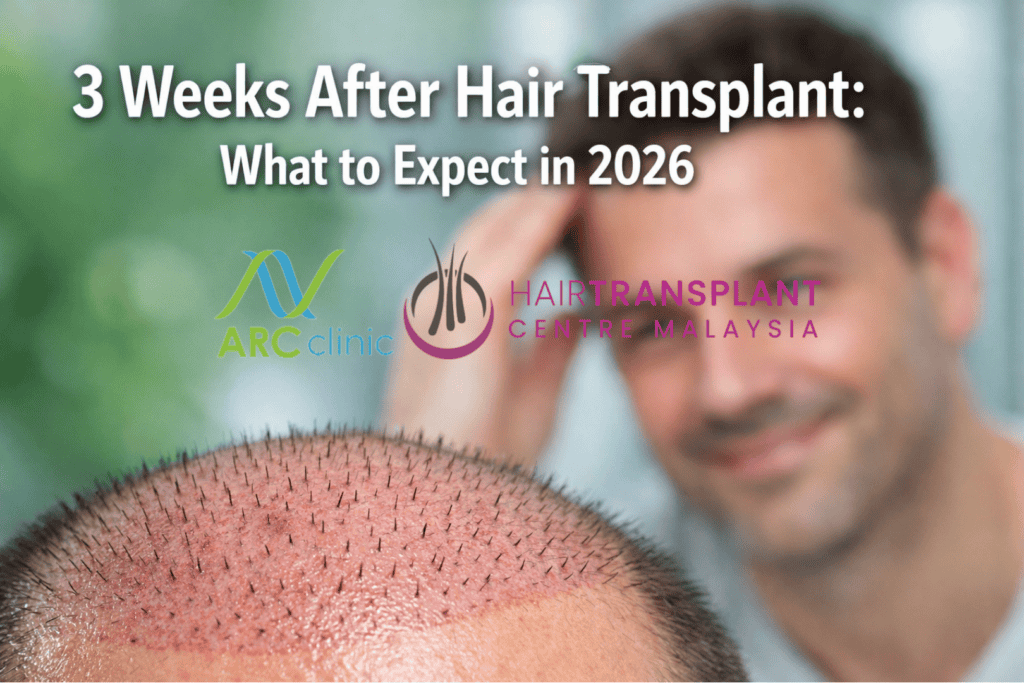
Quick Answer: Three weeks after a hair transplant, patients typically observe that most scabs have fallen off, revealing a healing scalp, and while the transplanted grafts are now securely anchored, a phase known as “shock loss” often begins, where newly transplanted hairs shed. This period is crucial for adhering to aftercare instructions to ensure the optimal long-term success of the procedure.
Key Takeaways
- Scabs Mostly Gone: By the 3-week mark, nearly all scabs from the recipient area should have naturally detached, leaving a smoother, less irritated scalp.
- Grafts Are Secure: The transplanted hair follicles are firmly rooted in their new positions, reducing the risk of accidental dislodgement from gentle activities.
- Shock Loss Commences: It is common and expected for many of the newly transplanted hairs to shed during this period, making way for new, permanent growth.
- Minimal Redness: Any significant redness or swelling from the initial post-operative days should have substantially decreased, though mild pinkness might persist.
- Donor Area Healing: The donor area, where grafts were harvested, will typically show significant healing, with short stubble and minimal discomfort.
- Continued Gentle Care: Patients must continue to follow a gentle washing routine and avoid harsh chemicals, direct sun exposure, and strenuous activities.
- Patience is Paramount: Visible growth is still months away, and patience is essential as the scalp prepares for the new hair cycle.
- Follow-Up is Key: Maintaining communication with your clinic, like Hair Transplant Centre Malaysia, for any concerns or scheduled check-ups is important.
What Happens to Your Scalp 3 Weeks After Hair Transplant?
Three weeks after a hair transplant, the scalp generally shows significant signs of healing and progress. By this stage, the tiny scabs that formed around each transplanted graft in the recipient area would have mostly shed, revealing a much clearer and less crusted scalp surface. The transplanted follicles themselves are securely integrated into the scalp tissue, meaning the critical early period of extreme fragility has passed.
At this point, you might observe a smoother, less irritated appearance in both the recipient and donor areas. The initial redness and swelling from the first week after a hair transplant typically subside considerably, though a mild pink hue can still be present, especially in individuals with lighter skin tones. For patients of Hair Transplant Centre Malaysia, our physicians, including Dato’ Dr. Kuladeva Retnam and Datuk Dr. Inder, emphasize that the grafts are generally beyond the risk of dislodgement through light touch or normal head movements. If you still have persistent scabs, gently massaging the scalp during washing can help them detach. However, aggressive scratching or picking should be avoided to prevent irritation or potential infection.
Recipient and Donor Area: Appearance and Healing
The appearance and healing progression in both the recipient and donor areas are distinct by 3 weeks after a hair transplant, each marking different stages of recovery. In the recipient area, where the new hair follicles were placed, the small scabs that initially clung to the grafts will have largely fallen off, leaving the scalp looking cleaner. The tiny transplanted hairs may still be present, or some might have already started to shed, a normal process called shock loss.
Conversely, the donor area, typically at the back or sides of the head where hair was harvested, shows more advanced healing. If an FUE (Follicular Unit Extraction) method was used, the small punch incisions will be mostly closed and less noticeable, often covered by the surrounding hair growth. Any discomfort or tightness from the procedure would have significantly diminished. For patients undergoing hair restoration at Hair Transplant Centre Malaysia, our team monitors both areas closely during follow-up appointments to ensure proper healing. It’s crucial not to mistake the shedding of transplanted hairs in the recipient area for a failure of the procedure; this is a natural and expected part of the hair growth cycle.
Recipient Area Status
- Scab Resolution: Most scabs that formed around the newly implanted grafts should have naturally flaked off. Persistent scabs can be gently loosened during washing.
- Graft Security: The transplanted follicles are now deeply rooted, significantly reducing the risk of dislodgement. They are no longer as fragile as during the first week.
- Initial Shedding (Shock Loss): It is common for the transplanted hair shafts to begin shedding. This is normal and indicates the follicles are entering a resting phase before new growth.
- Reduced Redness: Initial post-operative redness will have faded substantially, although a mild pinkness might linger, particularly in fair-skinned individuals.
- No Visible Growth (Yet): True new hair growth from the transplanted follicles is still several weeks to months away. The scalp is preparing for this new growth cycle.
Donor Area Status
- Significant Healing: The small incisions or extraction sites in the donor area will be largely closed and healing well.
- Reduced Discomfort: Most tenderness, tightness, or numbness in the donor area would have resolved.
- Hair Regrowth: Existing hair in the donor area will begin to grow back, helping to camouflage any visible signs of the harvest. Short stubble from shaved areas will be evident.
- Minimal Scarring: With FUE, scarring is minimal and often undetectable once the surrounding hair grows, appearing as tiny, dot-like marks.
- Itching: Mild itching can occur as part of the healing process; it is important to avoid scratching aggressively.
Managing the Hair Washing Routine at 3 Weeks After Hair Transplant
By 3 weeks after a hair transplant, the hair washing routine becomes slightly less delicate than in the immediate post-operative period, but gentleness remains key. Most of the scabs should have softened and fallen off, allowing for a more thorough, yet careful, cleansing of the scalp. The main goal is to keep the scalp clean, remove any lingering dead skin or scabs, and prevent infection, without irritating the still-sensitive new grafts.
Our experts at Hair Transplant Centre Malaysia advise continuing to use the recommended mild shampoo and applying it with soft, circular motions rather than vigorous rubbing. Rinsing should still be done gently, preferably with lukewarm water and a low-pressure stream. While the grafts are secure, aggressive scrubbing can still irritate the healing skin. This period is a good time to ensure all residual scabs are gone, as they can sometimes impede new hair growth. For a comprehensive guide on this, refer to our “Ultimate Guide to Washing Hair After Hair Transplant” article. If you experience any unusual irritation or persistent scabs, contact your clinic for advice.
Step-by-Step Gentle Washing Protocol
- Preparation: Ensure your hands are clean. Use a mild, pH-balanced shampoo, ideally one recommended by your clinic.
- Wet the Scalp: Gently wet your entire scalp with lukewarm water. Avoid using hot water, as it can irritate the healing skin. A cup or a low-pressure showerhead can be useful.
- Apply Shampoo: Pour a small amount of shampoo into your palm and lather it gently with a little water.
- Gentle Application: Apply the lathered shampoo to both the recipient and donor areas using your fingertips, performing very light, soft, circular motions. The goal is to clean, not scrub. If there are any remaining scabs, this gentle massage can help them detach.
- Rinsing: Rinse the shampoo thoroughly using lukewarm water and a low-pressure stream. Ensure no shampoo residue is left, as this can cause irritation.
- Drying: Pat your scalp very gently with a soft, clean towel. Do not rub. Air drying is also an option if time permits.
- Frequency: Continue washing daily or as advised by your Hair Transplant Centre Malaysia physician, to keep the scalp clean and aid in scab removal.
Understanding Shock Loss: Is It Normal at 3 Weeks After Hair Transplant?
Yes, it is entirely normal and expected for shock loss to begin around 3 weeks after a hair transplant. Shock loss is a temporary phase where the newly transplanted hair shafts, and sometimes even existing native hairs near the transplant site, shed. This occurs because the hair follicles undergo trauma during the transplantation process, which temporarily pushes them into a resting (telogen) phase. The old hair then falls out to make way for new, permanent hair growth.
For many patients, seeing their newly transplanted hairs fall out can be concerning, but it is a crucial and positive sign that the follicles are resetting themselves for a healthy growth cycle. The follicles themselves remain secure beneath the scalp. Dr. Ashrul Ikhmal, a special trainee doctor under Dato Dr Kula and Datuk Dr Inder at Hair Transplant Centre Malaysia, often reassures patients that this phase is a natural part of the journey towards achieving a fuller head of hair. It usually lasts for a few weeks to a couple of months, after which new, stronger hairs will begin to emerge.
Key Facts About Shock Loss
- Expected Timeline: Shock loss typically starts between 2 to 4 weeks post-surgery and can continue for several weeks.
- Temporary Phase: This shedding is temporary and does not indicate a failure of the transplant. The hair follicles are still alive and well.
- Preparing for New Growth: It’s a natural biological response where the follicles shed their old shafts to prepare for the growth of new, permanent hair.
- Affects Transplanted & Native Hair: While primarily affecting transplanted hairs, sometimes existing native hairs around the recipient area can also experience temporary shedding due to surgical trauma.
- Varies by Individual: The extent and duration of shock loss can vary greatly from person to person. Some may experience significant shedding, while others have very little.
- Patience is Essential: The new hair growth will typically become visible around 3 to 4 months post-surgery, with more significant results appearing at 6-12 months.
What to Expect in the Overall Hair Growth Timeline
The hair growth timeline after a transplant is a gradual process that requires patience, with 3 weeks after hair transplant marking just the very beginning of the journey. While the immediate post-operative period focuses on healing and graft security, the subsequent months are dedicated to the slow, steady emergence of new hair. Understanding this timeline can help manage expectations and provide reassurance during the different phases.
Generally, after the initial shedding phase (shock loss) which peaks around 3 weeks to 3 months, the dormant follicles will enter their growth (anagen) phase. New hairs will typically start to sprout as fine, thin strands around 3-4 months, gradually becoming thicker and stronger over the next year. At Hair Transplant Centre Malaysia, our physicians ensure patients are well-informed about this progression, helping them anticipate what to expect at each stage. It’s a marathon, not a sprint, and consistent aftercare contributes significantly to the final outcome.
Hair Growth Phases After Transplant
- Weeks 1-2 (Initial Healing): Focus on protecting grafts, minimizing swelling and redness. Scabs form around grafts.
- Weeks 3-4 (Shock Loss Begins): Most scabs fall off. Transplanted hairs often begin to shed, which is a normal process. Grafts are secure.
- Months 1-3 (Continued Shedding & Dormancy): Shock loss continues. The follicles are resting and preparing for new growth. Minimal visible hair.
- Months 3-5 (First Signs of Growth): New, fine hairs begin to emerge from the transplanted follicles. These hairs may be thin initially.
- Months 6-9 (Significant Growth): The new hairs start to thicken and grow longer. You will notice a visible improvement in density and coverage. This is often a very exciting phase.
- Months 10-12 (Maturation): Hair continues to grow and mature, gaining more thickness and density. The final results begin to take shape.
- Months 12-18 (Full Results): The transplanted hair has typically reached its full maturity, providing the final, natural-looking results.
Nutritional Support for Healing and Growth at 3 Weeks Post-Op
Even at 3 weeks after a hair transplant, maintaining optimal nutrition and hydration remains crucial for supporting the ongoing healing process and setting the stage for healthy hair growth. A well-balanced diet provides the necessary vitamins, minerals, and proteins that are essential for tissue repair, strengthening hair follicles, and promoting blood circulation to the scalp. While the initial acute healing phase might have passed, the body continues to recover internally and prepare for the energy-intensive process of growing new hair.
At Hair Transplant Centre Malaysia, we often provide dietary recommendations to complement the surgical success. Ensuring adequate intake of protein, iron, zinc, B vitamins, and Vitamin C can significantly aid the body’s regenerative processes. Hydration is equally important for overall health and nutrient delivery to the scalp. Consider incorporating nutrient-dense foods to give your body the best chance at successful hair regeneration. Our “Optimal Diet After Hair Transplant: Nutritional Success” article provides further insights.
Essential Nutrients and Their Role
| Nutrient Category | Key Nutrients | Role in Hair Transplant Recovery | Dietary Sources |
| Proteins | Amino Acids | Hair is primarily made of protein (keratin). Adequate protein intake is vital for building new hair strands and repairing damaged tissues. Essential for overall cellular repair. | Lean meats (chicken, fish), eggs, legumes, nuts, dairy products, tofu. |
| Vitamins | Biotin (B7) | Supports keratin infrastructure. | Eggs, nuts, sweet potatoes, bananas. |
| Vitamin C | Crucial for collagen production, which supports hair follicle structure. Also a powerful antioxidant that helps protect cells from damage and aids iron absorption. | Citrus fruits, berries, bell peppers, broccoli. | |
| Vitamin D | Involved in hair follicle cycling and growth. | Fatty fish, fortified dairy, sunlight exposure (with caution after transplant). | |
| Vitamin E | Antioxidant properties, helps improve blood circulation to the scalp. | Nuts, seeds, spinach, avocado. | |
| Minerals | Iron | Essential for red blood cell production, which carries oxygen to hair follicles. Iron deficiency can lead to hair thinning. | Red meat, spinach, lentils, fortified cereals. (Pair with Vitamin C for better absorption). |
| Zinc | Supports cell division and tissue growth, including hair follicle repair. Helps maintain hormone levels. | Oysters, red meat, poultry, beans, nuts. | |
| Hydration | Water | Essential for overall bodily functions, including nutrient delivery to the scalp and removal of toxins. Keeps cells healthy and supports healing. Adequate hydration is critical for hair health. | Drink at least 8-10 glasses of water daily. |
Realistic Expectations and Emotional Well-being at 3 Weeks Post-Op
Managing realistic expectations and prioritizing emotional well-being are vital aspects of the hair transplant journey, especially at 3 weeks after the procedure. At this stage, while the physical healing is well underway, visible hair growth is still months away, and the onset of shock loss can sometimes lead to feelings of anxiety or disappointment. It’s crucial for patients to remember that the process is gradual and requires patience.
Many individuals, like “Ahmad” who recently had his procedure at Hair Transplant Centre Malaysia, shared his initial concern when he noticed shedding. However, after a quick chat with Datuk Dr. Inder, he was reassured that this was a normal part of the process, and his positive outlook quickly returned. Focusing on the long-term outcome and understanding the natural progression of hair growth can significantly impact a patient’s emotional state throughout recovery. Celebrating small victories, such as the complete shedding of scabs and the absence of complications, can help maintain a positive perspective.
Maintaining a Positive Outlook
- Understand the Timeline: Reiterate to yourself that visible, significant hair growth takes 6-12 months. Three weeks is merely the beginning.
- Embrace Shock Loss: Recognize that shedding of transplanted hairs is a normal, healthy part of the process, indicating the follicles are preparing for permanent growth.
- Avoid Daily Scrutiny: Obsessively checking your scalp in the mirror can increase anxiety. Focus on following aftercare and trust the process.
- Connect with Your Clinic: If you have concerns, don’t hesitate to reach out to Hair Transplant Centre Malaysia. Our team is there to provide reassurance and expert advice.
- Engage in Relaxing Activities: Reduce stress through light exercise, hobbies, or mindfulness. Stress can potentially impact overall healing.
- Celebrate Milestones: Acknowledge the healing of your scalp, the absence of infection, and the passing of the initial fragile period as positive steps forward.
- Visualize the Future: Keep in mind the long-term goal of a fuller head of hair and the confidence it will bring. For more about regaining confidence, see our article on the “Benefits of Hair Transplant: Regain Confidence & Hair”.
What Activities and Precautions Are Recommended at 3 Weeks After Hair Transplant?
By 3 weeks after a hair transplant, many restrictions from the initial post-operative period can be gradually eased, but certain precautions are still essential to ensure optimal healing and graft survival. While the grafts are secure, the scalp is still sensitive and undergoing an intensive healing process. Strenuous activities, direct sun exposure, and anything that could introduce infection should still be approached with caution.
For example, engaging in light walks is generally fine, but high-impact sports or heavy lifting that cause excessive sweating or head trauma should still be avoided. At Hair Transplant Centre Malaysia, our post-operative instructions emphasize a phased return to normal activities. It’s always best to err on the side of caution to protect your investment and ensure the best possible results. For general post-care advice, consider reviewing our article “Post Care of Hair Transplant: 4 Things You Should Never Do”.
Recommended Activities & Precautions
| Category | Recommended | Avoid/Caution |
| Physical | Light Exercise: Gentle walks and light stretching are usually acceptable. Activities that don’t involve heavy sweating or head impact. | Strenuous Exercise: Avoid heavy lifting, intense cardio, contact sports, or activities that cause excessive sweating for at least 4-6 weeks. Increased blood pressure and sweat can negatively impact healing. |
| Headwear | Loose-Fitting Hats: If needed for sun protection or comfort, wear a very loose-fitting hat that does not press on the recipient area. Ensure it’s clean to prevent infection. | Tight Hats/Caps: Anything that puts pressure or friction on the transplanted area should be avoided. This can irritate the scalp and potentially damage early growth. Refer to “When and How to Wear A Hat After Hair Transplant” for more details. |
| Hair & Scalp | Gentle Washing: Continue the gentle washing routine as advised by your clinic, focusing on soft motions and thorough rinsing. Continue to keep the scalp clean. | Harsh Washing/Styling: Avoid vigorous scrubbing, picking at the scalp, or using harsh chemical products (hairspray, gel, strong dyes). Do not comb or brush directly over the recipient area vigorously. |
| Sun Exposure | Indirect Sun/Protection: If outdoors, seek shade or wear a loose, breathable hat to protect the scalp from direct sunlight. | Direct Sun Exposure: Avoid prolonged direct sun exposure, especially on the recipient area. UV rays can damage healing skin and potentially impede graft survival or cause hyperpigmentation. |
| Sleeping | Elevated Head: Continue to sleep with your head slightly elevated for a few more days, if comfortable, to minimize any residual swelling. | Sleeping on Stomach/Side: Avoid sleeping directly on the recipient or donor areas if they are still sensitive or if it causes pressure. Use soft pillows. |
| Social | Normal Socializing: Most normal social activities are fine. You might feel more comfortable as visible signs of the procedure diminish. | Smoking/Alcohol: It’s best to continue avoiding smoking and excessive alcohol consumption, as they can impair healing and blood flow. Follow your surgeon’s specific advice on these. |
| Professional | Return to Work: Many can return to work within a week or two, but by 3 weeks, most should be able to resume normal office-based or light physical work, provided it doesn’t violate other restrictions. | Physically Demanding Jobs: If your job involves heavy labor, significant sweating, or helmets/headgear, discuss your return-to-work timeline with your surgeon. |
| Medication/Supplements | Continue Prescribed Meds: Continue any prescribed medications (e.g., antibiotics, pain relievers) as directed by your surgeon. Consult before taking any new supplements. | Unapproved Supplements/Medications: Do not introduce new medications or supplements without consulting your doctor, as some can interfere with healing or blood clotting. |
When to Contact Your Clinic: Red Flags 3 Weeks Post-Op
While most patients experience a smooth recovery at 3 weeks after a hair transplant, it’s vital to know when to seek professional medical advice. Although complications are rare, being aware of potential red flags can ensure timely intervention and protect your results. The expertise of a specialized clinic like Hair Transplant Centre Malaysia is invaluable during this recovery period.
Our team, including Dr. Ashrul Ikhmal, advises patients to contact us if they notice anything unusual that deviates from the expected healing process. Trust your instincts; if something feels wrong or causes you significant concern, it’s always better to get it checked. Early detection and treatment of any issues can prevent more serious problems and ensure the best possible outcome for your hair restoration. For more information on potential issues, read our “Short-term complications after hair transplant” article.
Signs to Watch For
- Increased Redness or Swelling: While mild pinkness is normal, a sudden increase in redness or swelling, especially if accompanied by warmth or tenderness, could indicate infection.
- Severe or Worsening Pain: Significant pain that doesn’t subside with prescribed medication, or pain that unexpectedly worsens, warrants medical attention.
- Pus or Discharge: Any yellowish or greenish discharge from the recipient or donor areas is a clear sign of infection and requires immediate evaluation.
- Fever: A fever (temperature above 100.4°F or 38°C) accompanied by other scalp symptoms could indicate a systemic infection.
- Bleeding: Persistent or excessive bleeding from either the recipient or donor area should be reported.
- Unusual Bumps or Lumps: While some small bumps (like pimples) can occur, any unusually large, painful, or rapidly growing lumps should be examined. Refer to our “Bumps on Transplanted Hair – Hair Transplant Centre Malaysia” article for more.
- Numbness or Tingling Persisting/Worsening: While some temporary numbness is normal, if it is severe, spreads, or worsens, consult your doctor.
- Allergic Reaction: Signs of an allergic reaction such as widespread itching, rash, or hives should be reported promptly.
- Graft Dislodgement (Rare at 3 weeks): Although highly unlikely at 3 weeks, if you observe any complete grafts dislodging with significant tissue attached (not just individual hair shafts from shock loss), contact your clinic.
Conclusion
Reaching the 3-week mark after a hair transplant signifies a significant milestone in the recovery journey. By this stage, the initial acute healing is largely complete, scabs have mostly shed, and the transplanted grafts are securely integrated into the scalp. While the onset of “shock loss” might cause temporary concern as new hairs begin to shed, it is a normal and vital part of the process, indicating the follicles are preparing for robust, permanent growth.
Patience, diligent adherence to aftercare instructions, and maintaining open communication with your hair restoration specialist, like the experienced team at Hair Transplant Centre Malaysia, are paramount during this period. Understanding the natural progression of healing and growth will help manage expectations and foster a positive outlook. The foundation for your future hair growth is now firmly in place, paving the way for the exciting transformations that will unfold in the months to come.
Actionable Next Steps:
- Continue Gentle Care: Maintain your prescribed gentle washing routine to keep the scalp clean and support healing.
- Monitor Your Scalp: Regularly, but not obsessively, check for any signs of infection or unusual changes, and contact your clinic if concerned.
- Prioritize Nutrition and Hydration: Support your body’s healing and hair growth with a balanced diet rich in essential nutrients and ample water.
- Embrace Patience: Understand that visible hair growth is a gradual process that will take several more months.
- Attend Follow-up Appointments: Keep any scheduled follow-up appointments with Hair Transplant Centre Malaysia to ensure your recovery is on track.
FAQs About 3 Weeks After Hair Transplant
Q1: What should my scalp look like 3 weeks after a hair transplant?
A1: At 3 weeks, most scabs in the recipient area should have fallen off, leaving a smoother, often slightly pink scalp. The donor area should show significant healing, with any initial redness or discomfort largely subsided.
Q2: Is it normal for transplanted hairs to fall out at 3 weeks?
A2: Yes, it is completely normal and expected. This is called “shock loss,” a temporary phase where the transplanted hair shafts shed to make way for new, permanent hair growth.
Q3: Are the grafts secure at 3 weeks after surgery?
A3: Yes, by 3 weeks, the transplanted hair follicles are generally firmly rooted and secure in their new positions, making them much less susceptible to dislodgement from light touch or gentle activities.
Q4: Can I wash my hair normally at 3 weeks post-op?
A4: You should continue to wash your hair very gently using a mild shampoo, as advised by your clinic. Avoid vigorous scrubbing, direct high-pressure water, or harsh chemicals.
Q5: What activities should I avoid 3 weeks after a hair transplant?
A5: While light activities are usually fine, continue to avoid strenuous exercise, heavy lifting, contact sports, or anything that causes excessive sweating or direct impact to the head for at least 4-6 weeks post-op.
Q6: Can I wear a hat 3 weeks after my hair transplant?
A6: You can typically wear a loose-fitting, clean hat at 3 weeks for sun protection or comfort, provided it does not press directly or tightly on the transplanted area.
Q7: Will I see new hair growth at 3 weeks?
A7: No, visible new hair growth is typically not apparent at 3 weeks. The scalp is still in the early healing and shedding phases, preparing for growth which usually begins around 3-4 months.
Q8: Is swelling or redness still present at 3 weeks?
A8: Most significant swelling and redness should have subsided by 3 weeks. A mild pinkness might linger, especially in the recipient area, but any worsening or intense redness should be reported to your clinic.
Q9: What if I still have scabs at 3 weeks?
A9: If you still have persistent scabs, gently massaging them during your gentle washing routine can help them detach. Avoid picking or scratching. If they remain stubbornly, contact your clinic for advice.
Q10: Can I get a haircut at 3 weeks after a hair transplant?
A10: It’s generally not recommended to get a haircut (especially involving clippers or direct contact with the recipient area) at 3 weeks. Consult your surgeon for specific guidance on when it’s safe to trim your hair.
Q11: What role does diet play at this stage?
A11: A nutritious, well-balanced diet rich in proteins, vitamins, and minerals continues to be important for supporting overall healing and promoting healthy hair growth during this recovery phase.
Q12: When should I contact Hair Transplant Centre Malaysia if I have concerns?
A12: You should contact your clinic immediately if you experience increased pain, worsening redness or swelling, pus, fever, persistent bleeding, or any other signs of infection or unusual complications.