
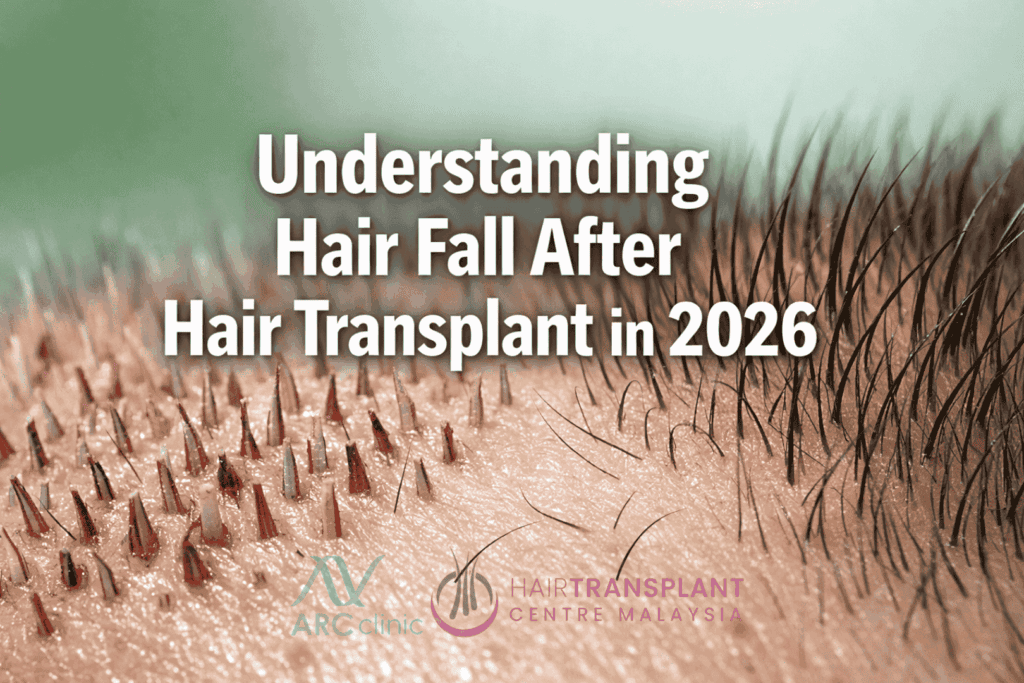
It is completely normal and expected to experience hair fall after a hair transplant, often referred to as “shock loss,” typically occurring a few weeks to a few months post-procedure. This temporary shedding is a natural part of the hair growth cycle as the transplanted follicles enter a resting phase before new, permanent hair begins to grow. Understanding this process can significantly reduce anxiety and help set realistic expectations for your hair restoration journey.
Key Takeaways
- Normal Shedding: Expect temporary hair fall, known as “shock loss,” between 2-8 weeks after a hair transplant; this is a natural phase.
- New Growth Follows: The shed hairs make way for new, permanent hair growth, which typically becomes visible 3-4 months post-transplant.
- Transplanted vs. Existing: Both transplanted and surrounding native hairs can experience shock loss due to surgical trauma and blood supply changes.
- Patience is Key: Full results take 12-18 months, requiring patience through the shedding and regrowth phases.
- Proper Aftercare: Adhering to post-operative care instructions is crucial for minimizing complications and optimizing results.
- Consult Your Surgeon: If shedding seems excessive, prolonged, or accompanied by unusual symptoms, consult your hair transplant specialist.
- Temporary Phase: This hair fall is temporary, and the follicles remain viable to produce new, healthy hair.
What is Hair Fall After Hair Transplant and Why Does It Happen?
Hair fall after a hair transplant is a common and anticipated phenomenon where both newly transplanted hairs and sometimes existing hairs in the recipient area temporarily shed. This occurs because the hair follicles undergo a period of shock and adjustment following the transplantation procedure. The trauma from the surgery, including disruption to blood supply and nutrient delivery, causes the follicles to enter a telogen (resting) phase prematurely.
When a hair follicle is moved from the donor area to the recipient area, it experiences a degree of stress. This stress can trigger a temporary resting phase, leading to the shedding of the existing hair shaft. This process, often termed “shock loss” or “effluvium,” is a temporary setback before new, stronger hair growth emerges. It’s a natural physiological response, signifying that the follicles are recalibrating and preparing for healthy, permanent growth. Think of it like a plant transplant: sometimes the leaves wilt before the roots establish and new growth appears. For most individuals, this shedding begins around 2-4 weeks after the procedure and can continue for a couple of months.
The Science Behind Shock Loss
The mechanisms underlying shock loss are primarily related to the biological stress induced by the surgical process:
- Ischemic Injury: During transplantation, follicles are temporarily deprived of blood supply. While efforts are made to minimize this, some degree of ischemia (lack of oxygen and nutrients) is inevitable, causing the follicles to shut down temporarily.
- Inflammation: The creation of recipient sites and the insertion of grafts cause localized inflammation, which can signal hair follicles to enter a resting phase.
- Surgical Trauma: The physical handling and relocation of follicles, even with the most delicate techniques like FUE (Follicular Unit Excision), constitute a form of trauma to the delicate structures.
- Changes in Growth Cycle: Hair follicles naturally cycle through growth (anagen), regression (catagen), and resting (telogen) phases. The transplant can prematurely push follicles into the telogen phase.
Consider this: While it might feel disheartening to see newly transplanted hairs fall out, remember that the follicle itself is what’s important, not the individual hair shaft. The follicle is safely embedded and preparing for its next growth cycle.
What is the Typical Timeline for Hair Fall After Hair Transplant?
The typical timeline for hair fall after a hair transplant begins a few weeks post-surgery and generally subsides by the third month, paving the way for new growth. This sequence is a normal part of the hair restoration process.
Most patients begin to notice hair fall, also known as shock loss, around 2-4 weeks after their hair transplant surgery. This shedding can continue for up to 8-12 weeks, or roughly three months. During this period, both the transplanted hair shafts and sometimes even native hairs in the recipient area may shed. It’s crucial to understand that while the hair shafts are falling, the transplanted follicles themselves remain intact and viable beneath the scalp. After this shedding phase, the follicles enter a dormant period before activating to produce new, permanent hair. This new growth typically becomes visible around 3-4 months post-procedure, with significant improvement seen from 6-12 months.
A Detailed Timeline Breakdown
Here’s a general timeline for the post-transplant period, focusing on hair fall after hair transplant:
- Days 1-7: The initial phase involves healing, with scabs forming around the grafts. Most transplanted hairs are still in place. Proper post-operative care, including gentle washing, is critical during this time. For more on this, check out our Essential 7-Day Hair Transplant Aftercare Guide.
- Weeks 2-4 (Initial Shedding): This is often when patients start to notice the transplanted hairs falling out. This is a positive sign that the follicles are responding to the transplant and entering a new growth cycle. Some native hairs might also shed.
- Weeks 4-8 (Peak Shedding): Hair fall may be most noticeable during this period. The scalp might appear similar to, or even slightly thinner than, before the transplant, which can be concerning but is part of the process.
- Months 3-4 (Dormant Phase & Early Growth): Shedding typically slows down or stops. The follicles are now in a resting phase, followed by the first signs of new, fine hair growth. These initial hairs might be thin and light-colored.
- Months 5-8 (Significant Growth): The new hairs begin to thicken and become more noticeable. Density increases, and the recipient area starts to look fuller.
- Months 9-12 (Maturation): The transplanted hairs continue to mature, gaining thickness, texture, and natural appearance.
- Months 12-18 (Full Results): The final results become evident, with the hair fully matured and blended with existing hair.
Anecdote: I remember one patient, Mr. Tan, who came back to us very worried around his 6-week mark, convinced his transplant hadn’t worked because he was seeing so much hair in the shower drain. We reassured him that this was perfectly normal shock loss. Six months later, he returned with a broad smile, amazed at the density and natural look of his new hair, a testament to trusting the process.
Is Hair Fall After Hair Transplant Permanent or Temporary?
Hair fall after a hair transplant is almost always temporary, signifying a normal transition phase where the transplanted hair follicles reset before initiating new, robust growth. The follicles themselves are not lost; only the hair shafts they initially contained shed.
When discussing hair fall after hair transplant, it’s vital to differentiate between the shedding of the existing hair shaft and the loss of the hair follicle itself. The “shock loss” phenomenon involves the shedding of the existing hair shaft, while the transplanted hair follicles remain securely implanted in the scalp. These follicles, once recovered from the surgical stress, will begin to produce new, permanent hairs. This regrowth typically starts within 3-4 months post-surgery, and the new hairs continue to thicken and mature over the next year to 18 months. Therefore, while the visual experience of hair fall can be alarming, it is a transient stage towards achieving long-term hair restoration.
Understanding the Temporary Nature
- Follicle Viability: The core reason for the temporary nature of this shedding is that the transplanted follicles are robust and genetically programmed to resist balding, as they are typically sourced from the donor area (usually the back or sides of the head).
- Re-Anchoring: After transplantation, the follicles need time to establish new blood supply and anchor themselves firmly in the recipient scalp. During this re-anchoring and healing process, the existing hair shaft is often shed.
- New Growth Cycle: Shedding marks the initiation of a new anagen (growth) phase for the transplanted follicles. The old hair makes way for healthier, more resilient hair.
Important Note: While temporary shedding is normal, persistent and excessive hair loss beyond the typical 3-month window, especially if accompanied by signs of infection or severe inflammation, warrants immediate consultation with your hair transplant specialist. This is rare but important to monitor.
💡
Did You Know?
The term “shock loss” doesn’t mean the hair follicles are permanently damaged. Instead, it’s a protective mechanism where the follicles temporarily shed their hair shafts to conserve energy and focus on healing and establishing themselves in their new location.
What Can Influence the Severity of Hair Fall After Hair Transplant?
The severity of hair fall after a hair transplant can be influenced by several factors, including surgical technique, individual patient characteristics, and adherence to post-operative care instructions. Understanding these elements helps manage expectations and minimize adverse outcomes.
The extent of hair fall after a hair transplant can vary significantly from person to person. Factors like the surgical method employed (FUE vs. FUT), the skill of the surgeon, the patient’s overall health, and their genetic predisposition all play a role. For instance, aggressive handling of grafts or prolonged out-of-body time during the procedure can increase the stress on follicles, potentially leading to more pronounced shock loss. Similarly, patients with existing thinning hair in the recipient area might experience more visible shedding of native hairs. Adhering to the specific aftercare guidelines provided by Hair Transplant Centre Malaysia, such as proper washing techniques and avoiding strenuous activities, is also crucial for a smoother recovery and potentially less severe shedding.
Key Influencing Factors
- Surgical Technique and Expertise:
- Surgeon’s Skill: An experienced surgeon like Dato’ Dr. Kuladeva Retnam or Datuk Dr. Inder (DPSM) will handle grafts with utmost care, minimizing trauma. Gentler techniques can reduce the severity of shock loss.
- Graft Handling: The way grafts are harvested, stored, and implanted affects their viability. Proper hydration and minimizing out-of-body time are critical.
- Recipient Site Creation: The density and depth of incisions in the recipient area can influence stress on surrounding native hairs.
- Patient’s Individual Characteristics:
- Genetic Predisposition: Some individuals may naturally be more prone to a pronounced shock loss response.
- Existing Hair Quality: Patients with significant miniaturization (thinning) of native hairs in the recipient area might experience more noticeable shedding of these existing hairs due to the surgical trauma.
- Overall Health: Factors like nutritional deficiencies, stress levels, and underlying medical conditions can impact healing and hair growth cycles.
- Age: Younger patients or those with healthier donor hair often have a faster and more robust recovery.
- Post-Operative Care:
- Washing Technique: Improper or overly vigorous washing can dislodge grafts or irritate the scalp, potentially increasing hair fall. Refer to our Ultimate Guide to Washing Hair After Hair Transplant for correct methods.
- Avoiding Trauma: Protecting the scalp from bumps, friction, and scratching is essential, especially in the first few weeks. Learn when and how to wear a hat safely with our guide: When and How to Wear A Hat After Hair Transplant.
- Medication Adherence: Following prescribed medications, such as finasteride or minoxidil, can support existing hair and potentially reduce shock loss by strengthening native hairs.
- Diet and Nutrition: A balanced diet rich in vitamins and minerals is crucial for healing and hair growth. See our recommendations in Optimal Diet After Hair Transplant: Nutritional Success.
Common Mistake: One frequent mistake patients make is panicking during shock loss and ceasing their prescribed medications, thinking they aren’t working. This can actually worsen the outcome, as these medications are often vital for strengthening existing hair and promoting a healthy scalp environment.
When Should You Be Concerned About Hair Fall After Hair Transplant?
While some hair fall after a hair transplant is normal, you should be concerned and contact your clinic if the shedding is excessive, prolonged beyond three months, or accompanied by symptoms like severe pain, persistent redness, pus, or significant swelling. These could indicate complications rather than typical shock loss.
Normal hair fall after a hair transplant usually starts around 2-4 weeks and generally subsides by the 3-month mark. If you are experiencing continuous, heavy shedding well past this 3-month window, or if the hair loss appears patchy and uneven in a concerning way, it warrants a professional evaluation. Additionally, any signs of infection such as increasing pain, warmth, redness, swelling, or the presence of pus at the recipient or donor sites are red flags. Hair Transplant Centre Malaysia’s experienced physicians, including Dr. Ashrul Ikhmal, are trained to identify and address these issues promptly, ensuring patient safety and optimal results. Early detection of complications can prevent long-term problems and guide appropriate interventions.
Signs to Watch Out For
It’s important to distinguish between normal shock loss and potential complications. Here are indicators that should prompt a consultation with your hair transplant specialist:
- Prolonged Shedding: If significant hair fall continues beyond 3-4 months, or if there’s no sign of new growth emerging around the 4-month mark, it’s time to check in.
- Excessive or Uneven Loss: While quantity can be subjective, if you feel an unusually large amount of hair is shedding, or if the loss is concentrated in a specific area suggesting graft damage rather than diffuse shock loss, seek advice.
- Signs of Infection:
- Increasing Redness or Swelling: Some redness and swelling are normal initially, but if it worsens after a few days or persists for weeks.
- Pus or Discharge: Any yellow or green discharge from the recipient or donor areas.
- Severe Pain: Pain that is not managed by prescribed medication or increases over time.
- Fever: A fever can indicate a systemic infection.
- Persistent Itching or Rashes: While mild itching is common during healing, severe, unrelenting itching, or a new rash, especially with blistering, needs evaluation.
- Lack of Any Regrowth: If after 6 months, you still see no discernible new hair growth, this is a significant concern.
- Donor Area Complications: While the focus is often on the recipient area, persistent pain, infection, or unusual scarring in the donor area also requires attention. More information on short-term complications can be found at Short-term complications after hair transplant.
Decision Rule: If you’re unsure whether your hair fall is normal or concerning, it’s always better to err on the side of caution and contact your clinic. A quick check-up can provide peace of mind or identify a problem early.
How to Manage and Minimize Hair Fall After Hair Transplant
Managing and minimizing hair fall after a hair transplant primarily involves strict adherence to post-operative care instructions, gentle handling of the scalp, and sometimes, supportive medications. These measures collectively create the optimal environment for transplanted follicles to thrive and reduce stress.
The key to a successful hair transplant recovery and minimizing shock loss lies in diligent post-operative care. This includes following specific washing protocols to prevent dislodging grafts, protecting the scalp from trauma, and maintaining good overall health. At Hair Transplant Centre Malaysia, our physicians provide comprehensive aftercare guidance tailored to each patient. Using prescribed topical solutions and oral medications, if recommended, can also help strengthen existing hair and support the new grafts. Being gentle with your scalp during activities like showering or applying products is paramount during the initial healing phase.
Practical Steps to Manage Hair Fall After Hair Transplant
Here’s a checklist of actions you can take:
- Follow Post-Op Instructions Religiously: This is the most critical step. Your surgeon provides detailed guidelines for a reason. These instructions cover everything from sleeping positions to activity levels.
- Gentle Washing:
- Use only the recommended shampoos and techniques. The first wash is usually crucial. Learn more about Why Next Day Hair Wash Is Crucial After a Hair Transplant.
- Avoid direct, high-pressure water on the grafts for the first few days.
- Dab, don’t rub, your scalp dry.
- Protect Your Scalp:
- Avoid direct sunlight for extended periods.
- Refrain from scratching or picking at scabs.
- Sleep with your head elevated to reduce swelling and protect grafts.
- Avoid helmets, tight hats, or anything that puts pressure on the transplanted area for the recommended period.
- Medication Adherence:
- If prescribed, continue using finasteride (oral) or minoxidil (topical) as directed. These can help strengthen existing hairs and potentially reduce shock loss.
- Antibiotics or anti-inflammatory drugs might be prescribed to prevent infection and reduce swelling.
- Healthy Lifestyle:
- Nutrition: Eat a balanced diet rich in vitamins, minerals, and protein to support hair growth and healing. Specific foods can even prevent hair fall; see our guide on 5 food that prevent hair fall.
- Hydration: Drink plenty of water.
- Avoid Smoking and Alcohol: These can impair healing and blood supply.
- Manage Stress: High stress levels can impact hair growth.
- Avoid Strenuous Activity: Heavy exercise or activities that cause excessive sweating or head trauma should be avoided for several weeks post-surgery.
⚠️
Warning: Self-Treatment Risks
Never attempt to treat post-transplant scalp issues or excessive hair fall with unproven home remedies or products without consulting your hair transplant surgeon. This can lead to complications, graft damage, or infections that compromise your results.
The Role of Medications and Supportive Treatments in Combating Hair Fall
Medications and supportive treatments play a crucial role in combating hair fall after a hair transplant by strengthening existing native hairs and promoting a healthy environment for new graft growth. These adjunct therapies can help minimize shock loss and accelerate the overall recovery and hair maturation process.
While the primary hair fall after a hair transplant is due to shock loss, certain medications and treatments can significantly support the healing process and enhance results. Drugs like Finasteride and Minoxidil are commonly recommended to help preserve existing hair and stimulate dormant follicles. Additionally, therapies such as Platelet-Rich Plasma (PRP) can be used to promote graft survival and accelerate healing, leading to better overall density and reduced shedding. These treatments are often part of a comprehensive post-operative plan at clinics like Hair Transplant Centre Malaysia, designed to optimize the patient’s outcome and manage expectations regarding post-transplant hair fall.
Key Medications and Treatments
- Finasteride (Oral):
- Mechanism: An oral medication that blocks the conversion of testosterone to dihydrotestosterone (DHT), the primary hormone responsible for male pattern baldness.
- Role Post-Transplant: Helps to strengthen existing native hairs, reducing their susceptibility to miniaturization and potential shock loss that can occur in the recipient area. It also helps prevent further hair loss in non-transplanted areas.
- Consideration: Typically used for long-term maintenance.
- Minoxidil (Topical):
- Mechanism: A topical solution that is believed to work by widening blood vessels, allowing more oxygen, blood, and nutrients to reach the hair follicles, thus promoting hair growth and increasing follicle size.
- Role Post-Transplant: Can help stimulate faster regrowth of transplanted hairs after shock loss and may reduce the duration of the telogen phase. It also benefits existing native hairs.
- Consideration: Often recommended to start a few weeks after the transplant, as directed by the surgeon, to avoid irritation on the fresh grafts.
- Platelet-Rich Plasma (PRP) Therapy:
- Mechanism: Involves drawing a small amount of the patient’s blood, processing it to concentrate platelets, and then injecting the platelet-rich plasma into the scalp. Platelets contain growth factors that promote healing and tissue regeneration.
- Role Post-Transplant: Can enhance graft survival, reduce inflammation, accelerate wound healing, and stimulate faster and stronger hair growth. Many clinics use it during or shortly after the transplant to support the new follicles and mitigate hair fall after hair transplant.
- Low-Level Laser Therapy (LLLT):
- Mechanism: Uses medical-grade lasers or LEDs to stimulate hair follicles at a cellular level, enhancing energy production and blood flow.
- Role Post-Transplant: Can help reduce inflammation, speed up healing, and encourage hair growth by extending the anagen (growth) phase of the hair cycle. It’s a non-invasive option for supporting overall hair health.
When to Choose Which: Your surgeon will recommend specific treatments based on your individual needs, the extent of your hair loss, and the nature of your transplant. For example, if you have significant existing native hair at risk of further loss, Finasteride might be emphasized. If you’re looking for accelerated healing and growth, PRP might be a beneficial addition.
The Importance of Professional Guidance for Hair Fall Concerns
Seeking professional guidance is paramount when experiencing hair fall after a hair transplant, as expert assessment ensures that any concerns are addressed accurately and promptly. Hair restoration specialists can differentiate between normal shock loss and potential complications, offering personalized advice and interventions.
Navigating the post-operative phase of a hair transplant can be filled with questions, especially regarding hair fall. It’s natural to feel anxious when you see transplanted hairs shedding. However, self-diagnosing or relying solely on anecdotal evidence from online forums can lead to unnecessary worry or, worse, incorrect actions. The physicians at Hair Transplant Centre Malaysia, including those with over 10 years of experience like Dato’ Dr. Kuladeva Retnam and Datuk Dr. Inder, possess the in-depth training and expertise to evaluate your specific situation, provide accurate reassurance, or intervene if necessary. Their guidance is essential for ensuring the best possible outcome for your hair restoration journey.
Why Professional Consultation is Crucial
- Accurate Diagnosis: A specialist can accurately determine if the hair fall is normal shock loss or if there’s an underlying issue such as infection, poor graft survival, or a reaction to medication.
- Personalized Reassurance: For most patients, seeing hair fall after a hair transplant is simply a normal part of the process. A professional consultation provides peace of mind and reinforces realistic expectations.
- Timely Intervention: If a complication is present, early detection and intervention are critical. Delays can lead to poorer outcomes. Your surgeon can prescribe appropriate medications, recommend further treatments, or adjust your aftercare plan.
- Optimized Results: Professional guidance ensures that you are following the best practices for your specific case, maximizing graft survival and the overall success of your transplant.
- Long-Term Strategy: Your surgeon can also discuss long-term hair maintenance strategies, including medications or adjunctive therapies, to support both your transplanted and native hair.
Think of it this way: You wouldn’t attempt to repair a complex engine issue based on an online video if you weren’t a mechanic. Similarly, your hair transplant is a delicate medical procedure, and ongoing care should always involve the professionals who performed it. They have the expertise to protect your investment.
Conclusion
Experiencing hair fall after a hair transplant is a standard, temporary phase known as “shock loss,” and it is a natural part of the healing and regrowth cycle. This shedding typically occurs between 2 to 8 weeks post-procedure, making way for stronger, permanent hair to emerge over the following months. While this period can be anxiety-inducing, understanding its temporary nature and the physiological processes involved is key to a calm recovery.
By adhering strictly to post-operative care instructions, protecting your scalp from trauma, and utilizing supportive medications or treatments as advised by your specialist, you can significantly manage and minimize the impact of this temporary hair fall. Most importantly, maintaining open communication with your hair transplant clinic and seeking professional guidance for any persistent or concerning symptoms ensures optimal results and peace of mind throughout your hair restoration journey. The journey to full, natural hair is a process, and patience, coupled with expert care, will lead to the desired transformation.
Actionable Next Steps:
- Re-familiarize yourself with your post-operative care instructions to ensure you are following all guidelines meticulously.
- Monitor your scalp for any signs of unusual redness, swelling, pus, or severe pain, and contact your clinic immediately if these occur.
- Maintain a healthy lifestyle with good nutrition and stress management to support overall healing and hair growth.
- Schedule a follow-up appointment with your hair transplant specialist if your hair fall seems prolonged beyond three months or if you have any doubts.
- Be patient and trust the process. Full results typically take 12-18 months, so focus on the long-term outcome rather than short-term shedding.
FAQ About Hair Fall After Hair Transplant
Is it normal for transplanted hair to fall out?
Yes, it is completely normal for transplanted hair to fall out, usually within 2 to 8 weeks after the procedure, due to a process called “shock loss” as the follicles enter a resting phase.
How long does hair fall last after a hair transplant?
Hair fall after a hair transplant typically lasts for about 1 to 3 months, usually peaking between 4 to 8 weeks, before new growth begins.
When does new hair start to grow after the shedding phase?
New hair growth typically starts around 3 to 4 months after the hair transplant, once the temporary shedding phase (shock loss) has subsided.
Does shock loss affect native (existing) hair?
Yes, in some cases, native hairs in the recipient area can also experience temporary shock loss due to the trauma of the surgery, especially if they were already miniaturized.
What causes shock loss after a hair transplant?
Shock loss is caused by the trauma and stress inflicted on hair follicles during the transplant procedure, which temporarily pushes them into a resting phase before new growth.
Can I prevent hair fall after a hair transplant?
While some degree of shock loss is almost unavoidable, adhering strictly to post-operative care instructions and sometimes using prescribed medications like Minoxidil or Finasteride can help minimize its severity.
When should I be worried about hair fall after a hair transplant?
You should be concerned if hair fall is excessive, prolonged beyond 3 months, or accompanied by signs of infection like severe pain, redness, swelling, or pus. Contact your clinic immediately.
Will the hair that falls out grow back?
Yes, the hair shafts that fall out during shock loss will grow back as new, permanent hair from the transplanted follicles, which remain viable beneath the scalp.
What is the role of PRP in managing hair fall after a transplant?
PRP (Platelet-Rich Plasma) therapy can help manage hair fall by accelerating healing, enhancing graft survival, and stimulating faster, stronger hair growth from the transplanted follicles.
Can wearing a hat after a hair transplant cause more hair fall?
Improper or premature wearing of a tight hat can irritate the scalp or dislodge grafts, potentially leading to increased hair fall. Follow your surgeon’s advice on when and how to wear a hat.
How does proper washing technique affect post-transplant hair fall?
Gentle and correct washing techniques, as advised by your clinic, are crucial to avoid dislodging newly transplanted grafts and minimize irritation that could exacerbate hair fall.
Is hair fall after a hair transplant different from regular hair loss?
Yes, hair fall after a hair transplant is temporary shock loss, a reaction to surgery, whereas regular hair loss (e.g., male pattern baldness) is typically progressive and permanent due to genetic and hormonal factors.