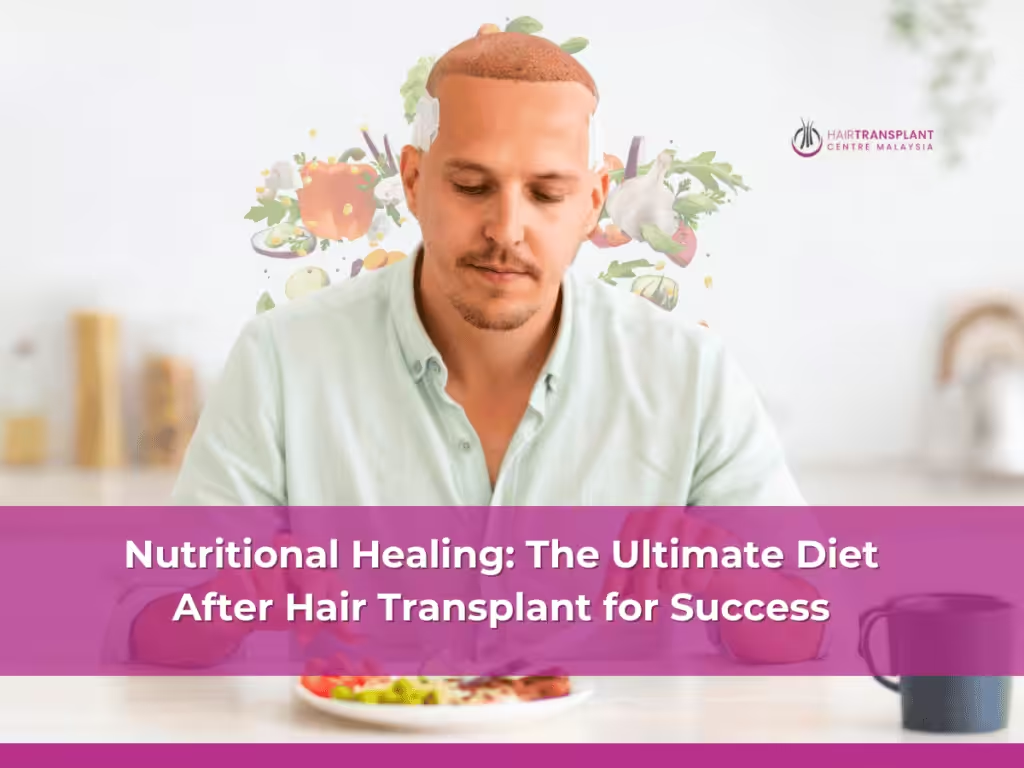
Nutritional Healing: The Ultimate Diet After Hair Transplant for Success
Undergoing a hair restoration procedure is a significant investment in your confidence and appearance. However, the surgery is only the first step. At Hair Transplant Centre Malaysia, we emphasize that what you put on your plate is just as important as the surgeon’s precision. To ensure those new grafts take root and flourish, you must prioritize your recovery through nutrition.
Here is your comprehensive guide to the best diet after hair transplant to ensure optimal healing and growth.
Let us call you
Why Your Diet After Hair Transplant Matters
The success of a hair transplant depends heavily on “graft take”—the process where newly transplanted follicles establish a blood supply in their new location. Your body requires an abundance of energy, vitamins, and minerals to repair tissue and reduce inflammation. Following a specific diet after hair transplant can be the difference between average results and a dense, lifetime head of hair.
Key Nutrients for Post-Surgery Recovery
To achieve the best results, your meals should focus on these hair-building blocks:
1. Protein: The Building Block of Hair
Hair is primarily made of a protein called keratin. After surgery, your body needs extra protein to heal the donor and recipient areas.
What to eat: Chicken, fish, eggs, beans, lentils, and tofu.
2. Zinc: For Tissue Repair
Zinc plays a vital role in cell growth and immune function. A deficiency can lead to hair shedding, which is the last thing you want during recovery.
What to eat: Oysters, beef, pumpkin seeds, and chickpeas.
3. Iron: Oxygenating the Scalp
Iron helps red blood cells carry oxygen to your cells, including the hair follicles. Improved oxygenation speeds up the healing process of the scalp.
What to eat: Spinach, kale, red meat, and fortified cereals.
4. Omega-3 Fatty Acids: Reducing Inflammation
Managing inflammation is a crucial part of your diet after hair transplant. Omega-3s help soothe the scalp and promote healthy hair texture.
What to eat: Salmon, walnuts, flaxseeds, and chia seeds.
5. Vitamins A and C: Collagen and Protection
Vitamin C aids in collagen production (essential for skin healing), while Vitamin A helps produce sebum, the natural oil that keeps your scalp conditioned.
What to eat: Citrus fruits, bell peppers, carrots, and sweet potatoes.
Foods to Avoid After Your Procedure
While focusing on what to add to your diet after hair transplant, you must also know what to avoid:
Excessive Salt: Can increase swelling (edema) around the forehead and eyes.
Processed Sugars: May trigger inflammation and hormonal spikes that hinder healing.
Alcohol & Tobacco: These restrict blood flow to the scalp and can significantly jeopardize graft survival.
Hydration is Vital
Water is the transport system for all the nutrients listed above. Aim for at least 2–3 liters of water a day to keep the scalp hydrated and to help flush out any medications used during the procedure.
Frequently Asked Questions: Diet After Hair Transplant
Navigating your recovery can feel overwhelming, but your nutrition doesn’t have to be. Here are some of the most common questions our patients at Hair Transplant Centre Malaysia ask regarding their post-operative care.
How soon can I return to my normal diet after hair transplant?
While you can eat most regular foods immediately, we recommend sticking to a “clean” diet after hair transplant for at least the first 10 to 14 days. This is the critical window where grafts are most vulnerable to inflammation and poor blood circulation.
Can I drink coffee or tea after the surgery?
It is best to avoid or limit caffeine for the first 3–5 days. Caffeine can constrict blood vessels and slightly increase blood pressure, which may lead to minor bleeding or increased swelling at the graft sites. Once the initial scabbing has formed, you can usually resume your morning brew.
Should I take supplements as part of my diet after hair transplant?
Most patients get sufficient nutrients from a balanced diet of whole foods. However, if you have a known deficiency (like low Iron or Vitamin D), supplements can be helpful. Always consult with our specialists at Hair Transplant Centre Malaysia before starting new supplements, as some—like Vitamin E or herbal teas—can actually thin the blood.
Is spicy food allowed?
We generally advise avoiding very spicy food for the first 48 hours. Spicy dishes can cause sweating and, in some cases, digestive upset. Sweating on the scalp increases the risk of infection and may irritate the sensitive recipient area.
Why is alcohol restricted in a diet after hair transplant?
Alcohol acts as a blood thinner and can significantly dehydrate the body. Consuming alcohol in the first week post-surgery increases the risk of prolonged bleeding and slows down the “crusting” process of the grafts. For the best survival rate of your new hair, wait at least 7 to 10 days before having a drink.
Fueling Your New Hair
At Hair Transplant Centre Malaysia, we are committed to your journey from the first consultation to the final result. By following a nutrient-dense diet after hair transplant, you provide your follicles with the best possible environment to grow strong and healthy.
Ready to start your transformation? Contact Hair Transplant Centre Malaysia today for expert care and personalized recovery advice.