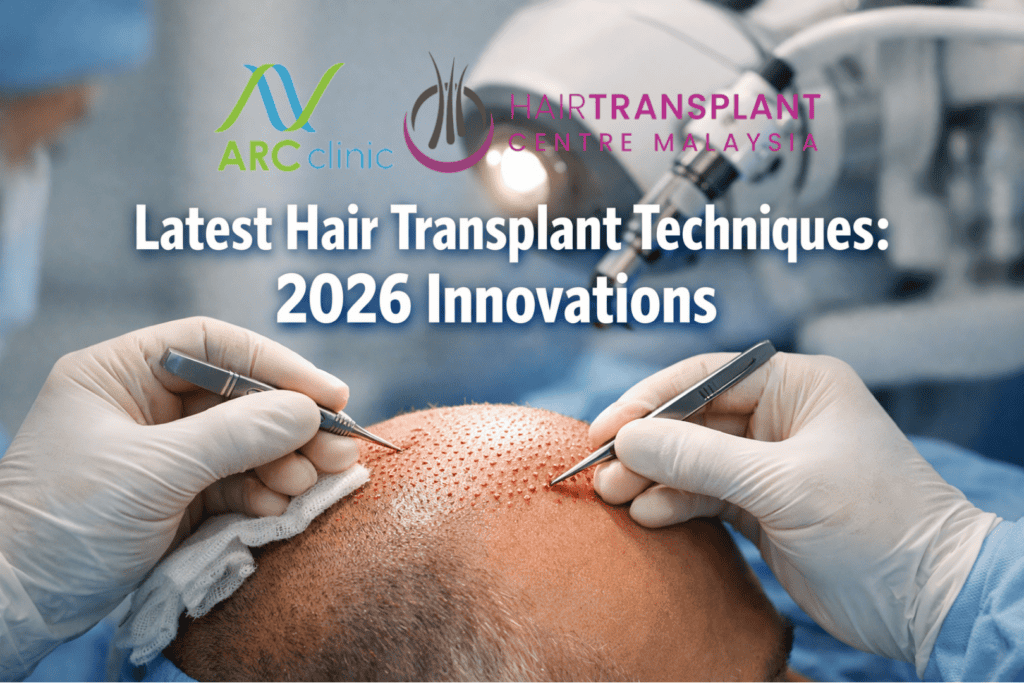
The landscape of hair restoration has undergone significant evolution, and the latest hair transplant techniques in 2026 offer highly refined, natural-looking, and minimally invasive solutions for hair loss. These advancements primarily focus on improving graft survival, aesthetic outcomes, and patient comfort, moving beyond traditional methods to embrace precision, technology, and individualized care.
Key Takeaways
- FUE remains dominant: Follicular Unit Extraction (FUE) and its variations are the leading techniques due to their minimally invasive nature and lack of linear scarring.
- DHI offers enhanced precision: Direct Hair Implantation (DHI) further refines FUE by allowing immediate implantation, potentially improving graft survival and density.
- Robotic assistance is growing: ARTAS and similar robotic systems enhance accuracy and consistency in graft extraction, reducing human error and improving efficiency.
- Emphasis on natural aesthetics: Modern techniques prioritize designing natural hairlines and achieving optimal density for seamless, undetectable results.
- Advanced graft preservation: Innovations in storage solutions and handling techniques are crucial for maximizing graft viability outside the body.
- Combination therapies: Hair transplants are increasingly combined with non-surgical treatments like PRP to optimize healing and stimulate existing hair growth.
- Malaysia as a hub: Clinics like Hair Transplant Centre Malaysia are at the forefront, offering world-class expertise and the latest technologies.
- Patient-centric approach: Customization based on individual hair loss patterns, hair type, and desired outcomes is paramount for successful results.
What Are the Latest Hair Transplant Techniques in 2026?
The latest hair transplant techniques in 2026 primarily revolve around advanced methods of Follicular Unit Extraction (FUE) and its specialized derivatives like Direct Hair Implantation (DHI), alongside the integration of robotic assistance. These techniques focus on extracting individual follicular units (groups of 1-4 hairs) directly from the donor area and transplanting them to thinning or bald regions, ensuring minimal invasiveness and superior aesthetic results without linear scarring.
In 2026, the two most prominent and refined techniques are:
- Follicular Unit Extraction (FUE): This technique involves meticulously extracting individual follicular units directly from the scalp using a micro-punch tool, typically ranging from 0.7mm to 1.0mm in diameter. Each unit is harvested one by one, leaving tiny, almost imperceptible dot scars that are easily concealed by surrounding hair. After extraction, these grafts are carefully stored in a specialized solution before being implanted into pre-made recipient sites.
- Advantages: No linear scar, faster healing in the donor area, suitable for shorter hairstyles, and often less post-operative discomfort compared to older methods.
- Considerations: Can be more time-consuming for large sessions and requires significant skill from the surgeon to avoid transection (damage) of grafts.
- When to choose FUE: If a patient prefers to wear their hair very short, desires minimal scarring, or has a limited donor area unsuitable for strip harvesting.
- Direct Hair Implantation (DHI): A sophisticated evolution of FUE, DHI utilizes a specialized implanter tool (often called a Choi Implanter Pen). With DHI, the extracted follicular units are loaded directly into the implanter pen, which simultaneously creates the recipient site and implants the graft. This “direct” approach aims to reduce the time grafts spend outside the body, potentially increasing their survival rate and streamlining the implantation process.
- Advantages: Potentially higher graft survival rates due to reduced out-of-body time, enhanced precision in angle, depth, and direction of implantation, and typically less trauma to the scalp.
- Considerations: Requires highly specialized training and expertise from the surgical team, and the procedure can sometimes be more expensive due to the advanced tools and specialized skill required.
- When to choose DHI: If a patient is seeking maximum density, highly precise hairline design, and potentially faster overall graft healing.
Anecdote: Mr. Tan, a 45-year-old professional from Kuala Lumpur, initially hesitated about a hair transplant due to concerns about visible scars. After consulting with Datuk Dr. Inder at Hair Transplant Centre Malaysia, he learned about the FUE technique. “The idea of no linear scar was a huge relief,” he shared. “The recovery was smooth, and now, even with a short haircut, no one can tell I had a transplant. It’s truly seamless.”
How Does Robotic Hair Transplantation (ARTAS) Enhance Results?
Robotic hair transplantation, specifically using systems like ARTAS, enhances hair transplant results by automating the graft extraction process, leading to increased precision, consistency, and efficiency compared to manual FUE. This technology utilizes advanced algorithms and imaging to identify and harvest follicular units, minimizing the risk of human fatigue and transection.
The ARTAS Robotic System is a prime example of how technology is integrated into the latest hair transplant techniques. Here’s how it works:
- 3D Mapping and Digital Guidance: Before extraction, the ARTAS system creates a high-resolution 3D map of the patient’s donor area. This map identifies optimal follicular units, considering factors like hair density, angle, and direction of growth. The robot then uses digital guidance to extract these units.
- Automated FUE Extraction: The robotic arm, equipped with a sharp, small-diameter punch, extracts individual follicular units with unparalleled precision. This automation ensures consistent quality of grafts and can significantly reduce the time required for extraction, especially for large numbers of grafts.
- Reduced Human Error and Fatigue: By automating the repetitive task of graft extraction, the ARTAS system minimizes the potential for human error and surgeon fatigue, which can be critical during lengthy procedures. This leads to a higher yield of viable grafts.
- Potential for Recipient Site Creation: Newer versions of robotic systems can also assist in creating recipient sites, ensuring precise depth and angulation, which are vital for a natural-looking hair growth pattern.
While the robot excels at extraction, the artistry of hair transplantation—designing the hairline, determining density, and ensuring natural graft placement—still largely relies on the expertise of the human surgeon. The robotic system acts as a sophisticated tool that allows the surgeon to focus more on the aesthetic aspects of the procedure, combining technological precision with artistic vision. At Hair Transplant Centre Malaysia, our physicians, including Dato’ Dr. Kuladeva Retnam and Datuk Dr. Inder, specialize in mastering this blend of artistry and technique.
When to consider ARTAS: Patients seeking maximum consistency in graft quality, a faster extraction process, and reduced manual handling of grafts might benefit from robotic assistance. However, it is essential to remember that the final aesthetic outcome still heavily depends on the surgeon’s skill in planning and implantation.
What Factors Contribute to Natural-Looking Results with the Latest Hair Transplant Techniques?
Achieving natural-looking results with the latest hair transplant techniques in 2026 is paramount and depends heavily on a combination of surgical artistry, meticulous planning, and advanced techniques that mimic natural hair growth patterns. It’s not just about moving hair, but about creating an undetectable, aesthetically pleasing outcome.
Several critical factors contribute to this natural appearance:
- Hairline Design: This is arguably the most crucial aspect. A skilled surgeon will design a hairline that suits the patient’s facial structure, age, and future hair loss progression. It should appear soft, irregular, and transitional, not straight or artificial. Understanding the ‘temporal points’ and creating a ‘zig-zag’ pattern are key to avoiding a ‘pluggy’ look.
- Decision Rule: Choose a clinic where physicians demonstrate a strong understanding of facial aesthetics and can show examples of natural hairline designs.
- Angle and Direction of Implantation: Hair does not grow straight out of the scalp. It emerges at specific angles and directions unique to different areas of the head. Advanced techniques ensure that grafts are implanted precisely to replicate these natural growth patterns, ensuring the transplanted hair blends seamlessly with existing hair.
- Density Distribution: Achieving appropriate density is vital. While a high density is desirable, it must be strategically distributed. Finer, single-hair follicular units are typically used for the very front of the hairline, gradually transitioning to two, three, or even four-hair units further back to create a natural progression of fullness. For insights on density, refer to “How Many Grafts Do I Need? A Simple Guide to Your Hair Transplant Consultation” – https://www.hairtransplantcentremalaysia.com/how-many-grafts-do-i-need-a-simple-guide-to-your-hair-transplant-consultation/
- Graft Selection and Placement: The careful selection of follicular units based on the number of hairs they contain (e.g., single-hair grafts for the hairline, multi-hair grafts for density behind it) and their strategic placement are essential. This craftsmanship ensures a soft, natural transition and avoids a coarse appearance.
- Surgeon’s Experience and Artistry: Ultimately, the success of achieving natural results rests on the surgeon’s experience, artistic eye, and meticulous attention to detail. Physicians like Dato’ Dr. Kuladeva Retnam and Datuk Dr. Inder from Hair Transplant Centre Malaysia, with their extensive experience and in-depth training, are crucial for mastering the artistry of hair restoration. How to Choose The Best Hair Transplant Clinic in Malaysia? provides more details on selecting the right experts.
- Hair Characteristics: The patient’s natural hair characteristics, such as color, texture, and curl, must be considered during the planning phase to ensure the transplanted hair matches and blends perfectly.
Common Mistake: One common mistake patients sometimes make is pushing for an unnaturally low or straight hairline. A skilled surgeon will advise against this, as it can look artificial and may not age well.
What is the Recovery Process and Aftercare for Modern Hair Transplants?
The recovery process for modern hair transplants, especially those utilizing the latest FUE and DHI techniques, is typically much quicker and more comfortable than older methods, but meticulous aftercare is crucial for optimal graft survival and successful results. Most patients can return to light activities within a few days, with full recovery taking several weeks.
Here’s a breakdown of the typical recovery and essential aftercare:
- Immediate Post-Op (First 24-48 hours):
- Swelling: Some swelling in the forehead and around the eyes is common but usually subsides within a few days.
- Scabbing: Tiny scabs will form around each transplanted graft, which are part of the natural healing process.
- Medication: Patients are typically prescribed pain relievers, anti-inflammatories, and sometimes antibiotics.
- Sleeping Position: It is recommended to sleep with the head elevated to reduce swelling and avoid touching the recipient area.
- First Week (Days 3-7):
- Gentle Washing: Specific instructions for gentle washing of the scalp are provided. The “Why Next Day Hair Wash Is Crucial After a Hair Transplant” – https://www.hairtransplantcentremalaysia.com/why-next-day-hair-wash-is-crucial-after-a-hair-transplant/ article details this important step.
- Activity Restrictions: Strenuous exercise, heavy lifting, and activities that cause excessive sweating should be avoided.
- Sun Exposure: Direct sun exposure to the scalp should be minimized.
- No Touching/Scratching: It is crucial not to pick or scratch the scabs or transplanted area to prevent dislodging grafts.
- Weeks 2-4:
- Shedding Phase: Many transplanted hairs will enter a “shedding phase” (telogen effluvium), where the hair shafts fall out. This is a normal and expected part of the process, making way for new hair growth.
- Scabs Disappear: Most scabs should have naturally fallen off.
- Return to Normal Activities: Patients can gradually return to most normal activities, including light exercise, provided the scalp is fully healed.
- Months 3-6:
- New Growth Begins: Fine, new hairs will start to emerge. This growth may initially be thin and patchy but will thicken over time.
- PRP and Other Therapies: Some clinics may recommend Platelet-Rich Plasma (PRP) therapy to stimulate growth and enhance results. Learn more about PRP For Hair Loss Treatment in Malaysia.
- Months 6-12+:
- Significant Growth: The transplanted hair will continue to grow thicker and longer, blending more naturally with existing hair.
- Final Results: The full aesthetic results are typically visible between 12 to 18 months post-procedure.
Aftercare Checklist:
- Follow washing instructions diligently.
- Avoid hats for the first few days (or as advised). When and How to Wear A Hat After Hair Transplant
- Refrain from alcohol and smoking for at least a week.
- Protect the scalp from direct sunlight.
- Maintain a healthy diet to support healing. Optimal Diet After Hair Transplant: Nutritional Success
- Attend all follow-up appointments.
The dedicated team at Hair Transplant Centre Malaysia provides comprehensive post-operative care and detailed instructions to ensure a smooth recovery and excellent results, mitigating common concerns like “Short-term complications after hair transplant” – https://www.hairtransplantcentremalaysia.com/short-term-complications-after-hair-transplant/.
How Do the Latest Hair Transplant Techniques Differ from Older Methods?
The latest hair transplant techniques, primarily FUE and DHI, represent a significant evolution from older methods like Follicular Unit Transplantation (FUT), commonly known as the “strip method.” The core difference lies in how donor hair is harvested, impacting scarring, recovery time, and overall patient experience.
Comparison Table: Modern vs. Older Hair Transplant Techniques
| Feature | Latest Techniques (FUE, DHI) | Older Method (FUT/Strip) |
| Donor Harvesting | Individual follicular units extracted one by one. | A strip of scalp tissue is surgically removed. |
| Scarring | Tiny, punctate (dot) scars, usually imperceptible even with short hair. | Linear scar at the back of the head, potentially visible with short hair. |
| Invasiveness | Minimally invasive. | More invasive surgical procedure. |
| Recovery Time | Faster recovery of donor area, typically 3-7 days. | Longer recovery for donor area, typically 10-14 days for stitches removal. |
| Discomfort | Generally less post-operative pain and discomfort. | More potential for pain and tightness in the donor area. |
| Donor Hair Use | Can utilize body hair (e.g., beard) in some cases. | Primarily uses scalp hair from the strip. |
| Hair Style | Patients can wear hair very short without visible scarring. | Short hairstyles might expose the linear scar. |
| Hair Transection | Risk of transection during extraction (minimized with skilled surgeons/robotics). | Lower risk of transection once the strip is removed and dissected. |
| Cost | Generally higher per graft due to time and precision required. | Often lower per graft for large sessions. |
Key Differentiators:
- Scarring: The most significant difference is the type of scarring. FUT leaves a linear scar, which some patients find cosmetically undesirable, especially if they prefer shorter hairstyles. FUE and DHI, by contrast, leave tiny, scattered dot scars that are usually camouflaged by surrounding hair, even when cut short.
- Invasiveness: FUE and DHI are considered less invasive as they do not involve a surgical incision or stitches in the donor area. This leads to a quicker and generally more comfortable recovery.
- Donor Area Versatility: With FUE, a wider donor area can be utilized, and in some specific cases, even body hair can be harvested (though scalp hair is always preferred for head transplants).
- Healing: The donor area after FUE heals much faster, allowing patients to resume normal activities sooner.
While FUT can still be a viable option for certain patients with specific hair characteristics and goals, especially for very large sessions when maximizing graft yield from a limited strip, the trend in 2026 strongly favors the less invasive and aesthetically superior FUE and DHI methods. The emphasis is on results that are not only effective but also completely natural and undetectable, even under close inspection.
What Are the Key Considerations When Choosing a Hair Transplant Clinic in Malaysia?
Choosing the right hair transplant clinic in Malaysia is a crucial decision that significantly impacts the success and naturalness of your results. With the advancements in the latest hair transplant techniques, it’s essential to select a clinic that not only employs these methods but also possesses the expertise and ethical practices to deliver exceptional care.
Here are the key considerations:
- Surgeon’s Qualifications and Experience:
- Specialization: Look for physicians who specialize exclusively in hair restoration, like the doctors at Hair Transplant Centre Malaysia. Our physicians make hair restoration their primary focus.
- Training & Awards: Inquire about their in-depth training, certifications, and any international awards for excellence. Dato’ Dr. Kuladeva Retnam (Plastic and Reconstructive Surgeon) and Datuk Dr. Inder (LCP holder, 30+ years experience, ISHRS member) exemplify this expertise. Dr. Ashrul Ikhmal, a special trainee doctor under Dato Dr Kula and Datuk Dr Inder, is also a member of FUE Europe Society and an Associate Member of the International Society of Hair Restoration Surgery (ISHRS).
- Experience: Opt for clinics where physicians have extensive experience (e.g., 10+ years) performing numerous hair restorations.
- Techniques Offered:
- Ensure the clinic offers the latest hair transplant techniques like FUE and DHI, and can explain which method is best suited for your specific case.
- Clinic Accreditation and Hygiene:
- The facility should meet high standards of hygiene, safety, and accreditation. A clean, sterile environment is non-negotiable for any medical procedure.
- Patient Reviews and Testimonials:
- Look for consistent positive feedback regarding results, patient care, and overall experience. Online reviews and before/after galleries are good indicators.
- Consultation Process:
- A reputable clinic will offer a thorough, personalized consultation where the surgeon assesses your hair loss, discusses realistic outcomes, explains the procedure in detail, and answers all your questions. This is where you can understand “Hair Transplant: Who is The Good Candidate?” – https://www.hairtransplantcentremalaysia.com/hair-transplant-who-is-the-good-candidate/.
- Transparent Pricing:
- The clinic should provide a clear breakdown of costs without hidden fees. Be wary of significantly cheaper options, as “Is a Cheap Hair Transplant Worth the Risk?” – https://www.hairtransplantcentremalaysia.com/is-a-cheap-hair-transplant-worth-the-risk/ for quality and safety. For pricing insights in Malaysia, see “Hair Transplant Cost Malaysia” – https://www.hairtransplantcentremalaysia.com/hair-transplant-cost-malaysia/.
- Post-Operative Care:
- Enquire about the extent of post-operative support, follow-up appointments, and aftercare instructions provided. Comprehensive aftercare is vital for optimal results.
- Ethical Practices:
- The clinic should prioritize patient safety and realistic expectations over pushing unnecessary procedures.
- Edge Case: If a clinic promises exceptionally high graft counts with impossibly low prices, this is a red flag. Quality and ethical practices are paramount.
Pull Quote: “Choosing a hair transplant clinic is an investment in yourself. Don’t compromise on experience, transparency, and patient-centric care. The final outcome is a reflection of the expertise behind the procedure.”
Hair Transplant Centre Malaysia @ ARC Clinic, located at 102 Jalan Gasing 46000 Petaling Jaya, Selangor, prides itself on being one of the best clinics for effective hair loss treatment, backed by award-winning physicians and over a decade of dedicated experience.
What is the Typical Timeline for Seeing Results from the Latest Hair Transplant Techniques?
The timeline for seeing results from the latest hair transplant techniques is a gradual process, as hair growth naturally takes time. Patients should expect several distinct phases of development, with final, mature results typically appearing between 12 to 18 months post-procedure. Patience is key throughout this journey.
Here’s a general timeline of what to expect:
- Day 0-14: Initial Healing and Scabbing
- Immediately after the procedure, small scabs will form around each transplanted graft.
- The donor area will start to heal quickly, especially with FUE/DHI.
- Patients follow strict post-op care to protect the grafts.
- Weeks 2-4: The “Shedding Phase”
- Around 2-4 weeks, most of the transplanted hairs will shed. This is a normal and expected part of the process, often referred to as “shock loss,” and indicates that the follicles have entered a resting phase before new growth.
- This can be disheartening for some, but it is a necessary step towards new hair.
- Months 3-4: Early Growth Begins
- New, fine hairs will begin to emerge from the transplanted follicles. These hairs may be thin and light in color at first.
- Growth can appear patchy initially.
- Months 6-9: Noticeable Growth and Thickening
- By six months, significant new hair growth is usually visible. The hair will start to thicken and gain more texture.
- This is often the stage where patients begin to feel truly positive about their results.
- Months 12-18: Mature Results
- The transplanted hair will continue to mature, thicken, and blend seamlessly with existing hair.
- The final density, texture, and overall aesthetic outcome are typically evident by this point.
- The hair will be strong and can be cut, styled, and treated like natural hair. For an idea of potential outcomes, view “Hair Transplant Result – Hair Transplant Centre Malaysia” – https://www.hairtransplantcentremalaysia.com/hair-transplant-result-will-it-look-natural/.
Patient Perspective: One patient, Sarah, described her journey: “After my FUE transplant at Hair Transplant Centre Malaysia, I was so excited. But then, the shedding started, and I felt a bit worried. My doctor, Dr. Ashrul, reassured me it was normal. True to his word, by month six, I saw real growth, and by a year, I couldn’t believe how natural and full my hair looked. It was worth the wait.”
It’s important for patients to have realistic expectations and understand that while the latest hair transplant techniques offer fantastic results, they require time and patience to fully manifest. Regular follow-up appointments with the clinic can help monitor progress and address any concerns.
Are There Any Non-Surgical Treatments That Complement the Latest Hair Transplant Techniques?
Yes, several non-surgical treatments can effectively complement the latest hair transplant techniques, enhancing the overall results, strengthening existing hair, and supporting the healing process. These adjunctive therapies are often recommended to optimize graft survival and provide a more comprehensive approach to hair restoration.
Complementary non-surgical treatments commonly include:
- Platelet-Rich Plasma (PRP) Therapy:
- What it is: PRP involves drawing a small amount of the patient’s blood, processing it to concentrate the platelets, and then injecting the platelet-rich plasma into the scalp. Platelets contain growth factors that can stimulate hair follicles.
- How it complements: PRP can be used before a transplant to strengthen existing hair, during the procedure to improve graft survival, and post-operatively to accelerate healing and stimulate the growth of transplanted and existing hair. Learn more about PRP For Hair Loss Treatment in Malaysia.
- Low-Level Laser Therapy (LLLT):
- What it is: LLLT uses therapeutic light to stimulate cellular activity in hair follicles, promoting hair growth and increasing hair density. It’s delivered via devices like laser combs, helmets, or caps.
- How it complements: LLLT can improve overall hair health, reduce inflammation, and enhance blood circulation to the scalp, creating a more favorable environment for both transplanted and native hair.
- Medications (e.g., Minoxidil, Finasteride):
- What they are: Minoxidil (topical) and Finasteride (oral) are FDA-approved medications for hair loss. Minoxidil works by widening blood vessels and increasing blood flow to follicles, while Finasteride inhibits the hormone dihydrotestosterone (DHT), a primary cause of male pattern baldness.
- How they complement: These medications can prevent further hair loss in non-transplanted areas and strengthen existing miniaturized hairs, thereby maximizing the overall density and longevity of the hair restoration results. They are not typically used on newly transplanted grafts immediately but are often part of a long-term hair maintenance plan.
- Nutritional Support:
- What it is: Ensuring a diet rich in essential vitamins (Biotin, Vitamin D), minerals (Zinc, Iron), and proteins is vital for hair health.
- How it complements: Good nutrition supports the body’s healing processes and provides the necessary building blocks for healthy hair growth, benefiting both transplanted and natural hair. For specific guidance, see “Optimal Diet After Hair Transplant: Nutritional Success” – https://www.hairtransplantcentremalaysia.com/nutritional-healing-the-ultimate-diet-after-hair-transplant-for-success/.
These complementary treatments, when combined with the latest hair transplant techniques, offer a multi-faceted approach to hair loss, not only restoring lost hair but also preserving and enhancing the quality of existing hair, leading to more robust and satisfying long-term outcomes. While hair transplant surgery provides a permanent solution for the transplanted hairs, combining it with other treatments helps manage ongoing hair loss in non-treated areas.
FAQ
Q1: Is a hair transplant painful?
A1: Modern hair transplants are performed under local anesthesia, meaning the procedure itself is not painful. Patients may feel some pressure or minor discomfort during the injections, but the treatment area will be numb. Post-procedure, mild discomfort or soreness can be managed with prescribed pain medication.
Q2: How long do hair transplant results last?
A2: The transplanted hair follicles are typically taken from the “donor area” (usually the back and sides of the head), which is genetically resistant to baldness. Therefore, these transplanted hairs are permanent and will continue to grow for a lifetime. However, existing non-transplanted hair may still be susceptible to future hair loss, which can be managed with complementary treatments.
Q3: How much does a hair transplant cost in Malaysia?
A3: The cost of a hair transplant in Malaysia varies depending on the technique used (FUE, DHI), the number of grafts required, the clinic’s reputation, and the surgeon’s experience. Generally, costs are calculated per graft or as a package for a certain number of grafts. For detailed information, refer to “Hair Transplant Cost Malaysia” – https://www.hairtransplantcentremalaysia.com/hair-transplant-cost-malaysia/.
Q4: Am I a good candidate for a hair transplant?
A4: The best candidates for hair transplants are individuals with stable hair loss, sufficient donor hair density, and realistic expectations. Factors like age, type of hair loss, and overall health are assessed during a consultation. “Hair Transplant: Who is The Good Candidate?” – https://www.hairtransplantcentremalaysia.com/hair-transplant-who-is-the-good-candidate/ offers a comprehensive guide.
Q5: Can women get hair transplants?
A5: Yes, women can absolutely get hair transplants. While male pattern baldness is more commonly associated with the procedure, many women experience hair thinning that can be effectively treated with FUE or DHI techniques, especially in cases of female pattern hair loss. For more information, see “All You Need to Know About Female Hair Transplant” – https://www.hairtransplantcentremalaysia.com/all-you-need-to-know-about-female-hair-transplant/.
Q6: What is the difference between FUE and DHI?
A6: Both FUE and DHI are advanced forms of hair transplantation that involve extracting individual follicular units. The key difference lies in the implantation step: FUE typically involves creating recipient channels with blades or needles before manually placing grafts, while DHI uses a specialized implanter pen to simultaneously create the site and implant the graft, often resulting in higher precision and potentially better graft survival.
Q7: Will my transplanted hair look natural?
A7: With the latest hair transplant techniques and an experienced surgeon, results should look completely natural and undetectable. Modern methods prioritize hairline design, precise angle and direction of implantation, and appropriate density to mimic natural hair growth. The artistry of the surgeon is paramount for achieving natural outcomes.
Q8: What are the risks associated with hair transplants?
A8: Hair transplants are generally safe procedures. Potential risks, though rare, include minor swelling, bruising, temporary numbness, infection, or poor growth of some grafts. Serious complications are extremely uncommon, especially when performed by qualified professionals in a reputable clinic. Your surgeon will discuss all potential risks during your consultation.
Conclusion
The evolution of hair restoration to the latest hair transplant techniques in 2026 offers highly effective, aesthetically superior, and minimally invasive solutions for individuals experiencing hair loss. With advancements in FUE and DHI, alongside the integration of robotic assistance, patients can achieve incredibly natural-looking results with significantly reduced downtime and discomfort compared to traditional methods.
Choosing the right clinic and experienced professionals is paramount. At Hair Transplant Centre Malaysia, our dedicated team, including Dato’ Dr. Kuladeva Retnam, Datuk Dr. Inder, and Dr. Ashrul Ikhmal, stands at the forefront of these innovations. With over 10 years of experience, in-depth training, and a focus on personalized care, we ensure each patient receives world-class treatment, achieving results that not only restore hair but also boost confidence.
If you are considering a hair transplant, embarking on a comprehensive consultation with experts is the vital first step. This will allow for a thorough assessment of your specific needs, a clear understanding of the most suitable techniques, and a detailed plan for achieving your desired, natural-looking outcome.
Find Your Ideal Hair Transplant Technique
What is your primary concern regarding a hair transplant?
Select your primary concern above to discover which technique might be best for you.