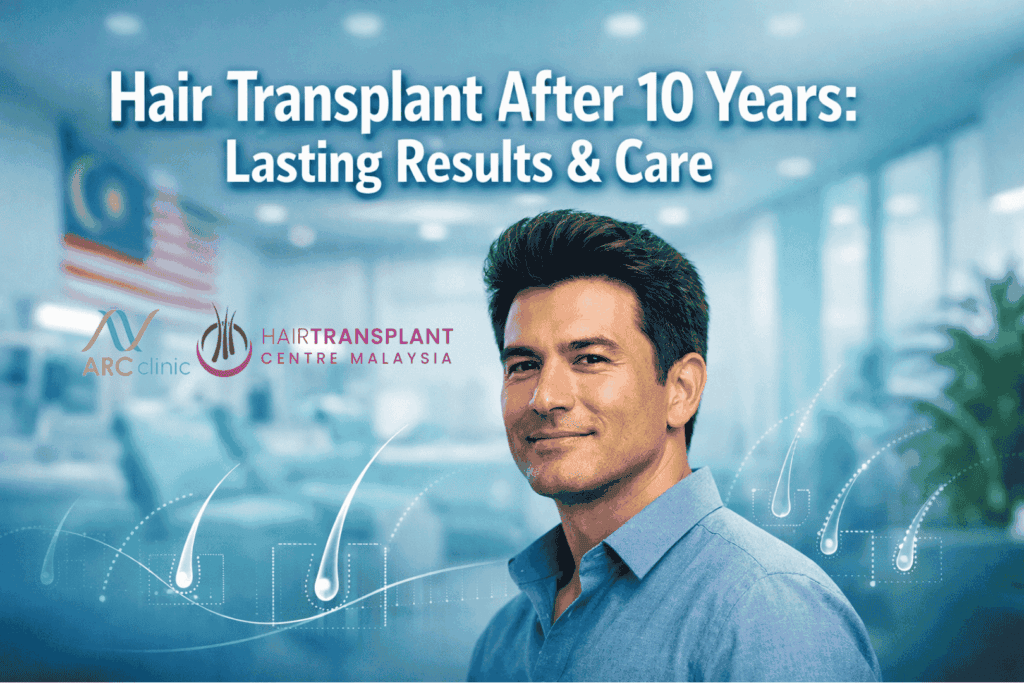
A hair transplant after 10 years typically showcases stable, natural-looking results for the transplanted hair, which is generally permanent. However, it’s crucial to understand that non-transplanted hair may continue to thin or recede due to ongoing genetic hair loss, potentially necessitating further intervention or consistent maintenance. The long-term success of a hair transplant hinges on the initial surgical quality, diligent post-operative care, and continued adherence to recommended hair loss prevention treatments.
Key Takeaways
-
- Permanent Transplanted Hair: The hair follicles relocated during a transplant are genetically resistant to balding and generally last a lifetime.
-
- Natural Appearance: After a decade, successful transplants blend seamlessly with existing hair, offering a natural and aesthetically pleasing result.
-
- Ongoing Native Hair Loss: Non-transplanted hair may still be susceptible to genetic hair loss, which can create areas of thinning around the transplanted grafts.
-
- Importance of Maintenance: Regular use of medications like Finasteride or Minoxidil, or other treatments like PRP, is often vital to preserve native hair and optimize overall density.
-
- Potential for Second Procedure: Some individuals may opt for a second hair transplant to address progressive native hair loss or to enhance density further.
-
- Lifestyle Impact: A healthy lifestyle, balanced diet, and stress management contribute to overall hair health and the longevity of results.
-
- Choosing an Expert Clinic: The skill and experience of the surgical team, such as the specialized physicians at Hair Transplant Centre Malaysia, are paramount for achieving durable, long-term outcomes.
-
- Realistic Expectations: Understanding that a hair transplant treats existing hair loss but doesn’t halt the underlying genetic predisposition is crucial for long-term satisfaction.
What Does a Hair Transplant After 10 Years Look Like?
After 10 years, a well-executed hair transplant typically looks completely natural, with the transplanted hair having grown in fully and integrated seamlessly into the surrounding hair. The permanence of these transplanted follicles means they should continue to grow just like the hair from the donor area, largely unaffected by male or female pattern baldness.
However, the appearance of your hair transplant after a decade is a direct reflection of several factors. Imagine Mr. Lim, a patient who had his procedure at Hair Transplant Centre Malaysia ten years ago. He was diligent with his post-operative care, following all instructions for washing hair after a hair transplant and adhering to his doctor’s advice on medication. Today, Mr. Lim enjoys a full, dense head of hair that he styles with confidence, showing no signs of the balding that once troubled him. His hairline is natural, and the transplanted grafts are indistinguishable from his native hair. This is the ideal outcome: a natural, robust head of hair that has stood the test of time.
Conversely, if native hair loss progresses significantly without preventative measures, or if the initial transplant lacked sufficient density or artistic planning, the overall result after 10 years might appear less ideal. For instance, the transplanted area might remain dense, but a receding hairline or thinning in other native areas could create an uneven look. This highlights why comprehensive treatment, not just the transplant itself, is crucial for long-term satisfaction.
Is Hair Transplant Permanent? Understanding Long-Term Graft Survival
Yes, a hair transplant is considered a permanent solution for the transplanted hair because the follicles are harvested from a ‘donor’ area, typically the back or sides of the head, which are genetically resistant to the hormone DHT (dihydrotestosterone) that causes pattern baldness. Once relocated to the recipient area, these follicles retain their genetic programming and continue to grow hair for a lifetime.
The key to understanding the permanence lies in the genetic nature of the donor hair. Think of it like moving a plant from one pot to another; the plant’s inherent characteristics don’t change, only its location. Similarly, a hair follicle taken from the back of the scalp will continue to grow as if it were still in its original position. At Hair Transplant Centre Malaysia, our physicians specialize in these techniques, ensuring the highest graft survival rates. For example, Dr. Ashrul Ikhmal, a member of FUE Europe Society, applies advanced techniques to maximize the viability of each graft.
While the transplanted hairs themselves are permanent, it is important to differentiate this from the overall appearance of your hair. Native hair (hair not transplanted) may continue to thin or fall out over time if not managed. This is why many patients are advised to continue medical treatments, such as Finasteride or Minoxidil, to preserve their existing non-transplanted hair and maintain overall density, creating a balanced and consistent look for years to come. Without these measures, a patient might find that while their transplanted hair is thriving after a decade, their surrounding native hair has receded, leading to a less harmonious result.
Why Does Native Hair Loss Continue After a Transplant?
Native hair loss continues after a hair transplant because the procedure addresses existing baldness by moving resistant follicles, but it does not stop the underlying genetic predisposition that causes hair loss in other non-transplanted areas. This means that while the transplanted hairs are permanent, your natural hair that was already present in balding or thinning areas can still be affected by DHT over time.
Consider the analogy of repairing a leaky roof. You fix the existing leaks, but if the underlying problem (e.g., poor drainage around the house) isn’t addressed, new leaks might appear elsewhere. In hair restoration, the transplant fixes the ‘leaks’ in your hairline or crown, but the ‘poor drainage’—your genetic susceptibility to hair loss—can continue to affect areas not covered by the transplant. This is a crucial point that our experts, like Datuk Dr. Inder, who has over 30 years of experience, discuss with patients during consultation at Hair Transplant Centre Malaysia. They emphasize that while the transplanted hair is robust, the existing native hair requires continued proactive management.
To combat this progressive native hair loss and ensure consistent density, many patients are prescribed long-term medical therapies. These include:
-
- Finasteride: An oral medication that inhibits the conversion of testosterone to DHT, thereby reducing the impact of DHT on susceptible hair follicles.
-
- Minoxidil: A topical solution or oral medication that promotes hair growth and slows hair loss by widening blood vessels and increasing blood flow to follicles.
-
- PRP (Platelet-Rich Plasma) Therapy: A treatment that uses the patient’s own blood plasma, rich in growth factors, to stimulate hair follicles and improve hair density. For more information, see our guide on PRP for Hair Loss Treatment in Malaysia.
These treatments work to fortify the existing native hair and slow down the balding process, preventing new areas of thinning from emerging and maintaining the overall aesthetic balance of the hair after a decade. Neglecting these maintenance protocols is a common mistake that can lead to dissatisfaction with results over the long term, even with a successful initial transplant.
Factors Influencing the Appearance of Your Hair Transplant After 10 Years
The long-term appearance of a hair transplant after 10 years is influenced by a combination of factors, including the surgeon’s skill, the patient’s individual hair loss progression, adherence to post-operative care, and ongoing maintenance. These elements collectively determine how natural and dense the hair will look a decade later.
Let’s break down these critical factors:
-
- Surgical Expertise and Planning:
-
- Hairline Design: A natural hairline is paramount. A skilled surgeon, such as Dato’ Dr. Kuladeva Retnam, a Plastic and Reconstructive Surgeon partnered with Klinik Dr Inder, ensures the hairline is age-appropriate and aesthetically pleasing, avoiding a “pluggy” or unnatural look. This requires meticulous artistic judgment and technical precision.
-
- Graft Placement and Density: Correct angulation, direction, and spacing of grafts are crucial for natural results. Achieving adequate density prevents a sparse appearance.
-
- Donor Area Management: Careful extraction from the donor area ensures it remains healthy and minimizes scarring, preserving future options. Over-harvesting can compromise the donor area’s density and appearance.
-
- Surgical Expertise and Planning:
-
- Individual Hair Loss Progression:
-
- Genetic Predisposition: The underlying genetic tendency for hair loss continues in native, non-transplanted areas. If this progresses significantly without intervention, new areas of thinning may emerge, requiring ongoing management.
-
- Age of Onset: Younger patients (under 25-30) often have more aggressive and unpredictable hair loss patterns, which may necessitate a more conservative approach or future procedures. The age factor to consider before hair transplantation is significant for long-term planning.
-
- Individual Hair Loss Progression:
-
- Post-Operative Care Adherence:
-
- Initial Healing: Following post-op instructions carefully, including how to wash the hair and avoiding strenuous activity, is vital for graft survival and proper healing. Neglecting these can lead to short-term complications and impact long-term growth.
-
- Sun Protection and Lifestyle: Protecting the scalp from excessive sun exposure and maintaining a healthy lifestyle contribute to overall scalp and hair health.
-
- Post-Operative Care Adherence:
-
- Ongoing Maintenance and Medical Therapies:
-
- Medication Consistency: Regular use of prescribed medications like Finasteride or Minoxidil is often necessary to slow down or halt further native hair loss. Discontinuation can lead to progressive thinning around the transplanted areas.
-
- Supportive Treatments: Supplementary treatments like PRP therapy can help strengthen existing hair and promote a healthier scalp environment, enhancing the overall look after 10 years.
-
- Regular Follow-ups: Periodic check-ups with your hair restoration specialist allow for monitoring of progress and adjustments to maintenance plans as needed.
-
- Ongoing Maintenance and Medical Therapies:
By addressing these factors comprehensively, patients can significantly increase the likelihood of enjoying robust and natural-looking hair transplant results for ten years and beyond. Choosing a clinic with experienced professionals, like Hair Transplant Centre Malaysia, who emphasize both the surgical procedure and long-term care, is crucial.
The Role of Follow-Up Care and Medical Treatments in Maintaining Results
Follow-up care and consistent medical treatments are indispensable for maintaining the aesthetic integrity of a hair transplant after 10 years, primarily by preserving existing native hair and optimizing scalp health. While the transplanted hair is permanent, ongoing genetic hair loss in other areas can compromise the overall result if left unmanaged.
Think of it this way: a hair transplant is a significant investment in your appearance, similar to investing in a high-quality property. To protect that investment, you need regular maintenance. At Hair Transplant Centre Malaysia, our approach extends far beyond the day of the procedure. We understand that truly satisfying results for a hair transplant after 10 years depend on a long-term partnership with our patients. Many of our physicians have over a decade of experience, not just in performing the surgery, but in guiding patients through the years that follow.
Essential components of long-term care include
-
- Regular Consultations: Even after the initial healing phase, periodic check-ins with your hair restoration specialist can help monitor your hair loss progression, assess the health of your scalp and transplanted grafts, and make necessary adjustments to your treatment plan. These consultations are an opportunity to discuss any concerns or changes you observe.
-
- Prescription Medications:
-
- Finasteride (Oral): This medication significantly reduces DHT levels, slowing or stopping hair loss and, in some cases, promoting regrowth of existing hair. Its consistent use is often the cornerstone of preventing further native hair loss.
-
- Minoxidil (Topical or Oral): Minoxidil stimulates hair follicles and can maintain density in areas of thinning. It works differently from Finasteride and can be used in conjunction.
-
- Prescription Medications:
-
- Supportive Therapies:
-
- Platelet-Rich Plasma (PRP): PRP injections deliver concentrated growth factors to the scalp, enhancing blood supply to follicles, strengthening existing hair, and potentially improving hair density. It can be a valuable adjunct to medical therapy.
-
- Low-Level Laser Therapy (LLLT): This non-invasive treatment uses specific wavelengths of light to stimulate hair follicles, reduce inflammation, and improve cellular metabolism, supporting hair health.
-
- Supportive Therapies:
-
- Healthy Lifestyle:
-
- Nutrition: A balanced diet rich in vitamins, minerals, and proteins is fundamental for healthy hair growth. Refer to our guide on optimal diet after hair transplant for detailed recommendations.
-
- Stress Management: Chronic stress can exacerbate hair loss. Techniques such as meditation, exercise, and adequate sleep are important.
-
- Avoidance of Harmful Habits: Smoking and excessive alcohol consumption can negatively impact hair health and graft survival.
-
- Healthy Lifestyle:
By diligently following these recommendations, individuals can maximize the longevity and aesthetic quality of their hair transplant results, ensuring that their hair looks good not just a year, but a full decade after the procedure. Neglecting these steps is often the primary reason why some patients experience dissatisfaction with their hair restoration over the very long term.
Considering a Second Hair Transplant After 10 Years?
Some individuals may consider a second hair transplant after 10 years to address further native hair loss, enhance density in certain areas, or refine their hairline. This decision typically arises when the natural progression of hair loss has created new thinning areas around the initially transplanted grafts or if the patient desires even greater density.
It’s a common scenario. Perhaps ten years ago, a patient had a transplant to restore their hairline, and it’s held up beautifully. However, their crown area, which was only slightly thinning back then, has now progressed to a more noticeable bald spot. In such cases, a second procedure, often referred to as a “touch-up” or “refinement” transplant, can effectively restore balance and density. Our expert team at Hair Transplant Centre Malaysia regularly assesses such long-term cases, guiding patients on whether a second procedure is beneficial and feasible. The question of “will I need a second hair transplant?” is often explored during follow-up consultations.
Key considerations for a second hair transplant after 10 years:
-
- Donor Hair Availability: The most crucial factor is the remaining density and elasticity of your donor area. If the donor area was heavily harvested during the first procedure, there might be insufficient grafts for a second. An experienced surgeon will carefully assess this.
-
- Hair Loss Progression: The current pattern and rate of native hair loss need to be evaluated. If hair loss is still very aggressive, a surgeon might recommend focusing on medical management first to stabilize the situation before considering more surgery.
-
- Realistic Expectations: It’s important to have clear, achievable goals for the second procedure. The aim is often to complement the first transplant and create a more uniform appearance, rather than achieving unrealistic density.
-
- Timing: While 10 years is a common interval, the timing depends on individual hair loss progression and donor supply. Some patients may consider it sooner or later.
-
- Cost and Recovery: Like the initial procedure, a second transplant involves cost and a recovery period, which patients must be prepared for.
| Feature | First Hair Transplant (10 years ago) | Second Hair Transplant (Today) |
| Primary Goal | Establish initial density/hairline | Enhance density, address new thinning, refine existing |
| Donor Area Status | Virgin, full density | Previously harvested, density might be reduced |
| Hair Loss Stage | Often more advanced or active | Stable or new areas of progression |
| Patient Age | Typically younger or mid-age | Often older, stable hair loss pattern |
| Expected Graft Count | Potentially higher (if extensive loss) | Potentially lower (if donor limited) or targeted |
| Overall Experience | Foundation of hair restoration | Refinement and long-term maintenance of results |
Deciding on a second hair transplant requires a thorough consultation with a highly experienced hair restoration specialist. They can provide an honest assessment of your donor supply, hair loss pattern, and what can realistically be achieved, ensuring you make an informed decision for your long-term aesthetic goals.
The Psychological Impact of Hair Transplant After 10 Years
The psychological impact of a successful hair transplant after 10 years is overwhelmingly positive, often leading to enhanced self-confidence, improved self-esteem, and a greater sense of well-being. Patients frequently report feeling younger, more attractive, and more comfortable in social and professional settings.
“I remember Mr. Tan, who came to us at Hair Transplant Centre Malaysia almost 10 years ago,” recalls Datuk Dr. Inder. “He was in his late 30s, quite withdrawn, and always wearing a cap. After his transplant, he slowly transformed. Now, a decade later, he’s a different person—outgoing, vibrant, and incredibly confident. He often tells us it wasn’t just about the hair; it was about getting his old self back.” This anecdote highlights a common sentiment among long-term hair transplant patients. The initial anxiety about hair loss is replaced by a sense of liberation.
The benefits extend beyond mere appearance:
-
- Increased Self-Confidence: Having a full head of hair can significantly boost confidence, impacting how individuals carry themselves and interact with others. This can positively affect careers, relationships, and overall life satisfaction.
-
- Reduced Self-Consciousness: Many people who experience hair loss become highly self-conscious about their appearance. A successful transplant alleviates this burden, allowing them to focus on other aspects of their lives without constant worry about their hair.
-
- Feeling Younger: Hair loss is often associated with aging. Restoring a fuller head of hair can make individuals feel and look years younger, aligning their external appearance with their internal vitality. This aligns with the goal of helping people “look and feel years younger with a hair transplant in Malaysia“.
-
- Improved Social Interactions: With newfound confidence, individuals may feel more comfortable participating in social activities, leading to a richer social life and stronger relationships.
-
- Professional Advantages: In some professions, appearance can play a role. A confident, well-groomed look can contribute to a positive professional image.
While the physical results of a hair transplant are tangible, the enduring psychological benefits after a decade often represent the true value of the procedure. It’s a testament to how restoring one’s hair can profoundly impact quality of life and self-perception, proving to be a truly long-term investment in oneself.
Choosing the Right Clinic for Long-Term Success in 2026
Choosing the right hair transplant clinic is the most critical decision for ensuring long-term success and satisfaction with your hair transplant after 10 years. A clinic with experienced, specialized physicians and a commitment to comprehensive patient care will provide the foundation for enduring, natural-looking results.
In 2026, the landscape of hair restoration offers many choices, but discerning quality is key. Hair Transplant Centre Malaysia stands as a premier destination due to its dedicated focus and experienced team. When considering a clinic for a procedure that needs to last a decade and beyond, focus on these criteria:
-
- Specialization and Experience:
-
- Dedicated Focus: Does the clinic specialize only in hair restoration? This indicates a deep commitment and expertise. Hair Transplant Centre Malaysia is a specialized unit dedicated to World Class Hair Transplant procedures, with physicians whose primary focus is hair restoration.
-
- Physician Experience: Look for surgeons with extensive experience. Many of our physicians at Hair Transplant Centre Malaysia have at least ten years of experience in performing hair restorations, with Datuk Dr. Inder having over 30 years of experience in treating hair loss.
-
- Specialization and Experience:
-
- Artistry and Training:
-
- In-depth Training: The best clinics invest in continuous, in-depth training for their physicians, mastering both the science and the artistry of hair restoration. This ensures natural-looking hairlines and graft placement.
-
- Awards and Recognition: Clinics whose physicians have received honors and awards, like those at Hair Transplant Centre Malaysia, often signify excellence in the field.
-
- Artistry and Training:
-
- Patient-Centric Approach:
-
- Comprehensive Consultations: A good clinic provides thorough consultations, discussing not just the procedure but also long-term expectations, potential future hair loss, and maintenance plans. This includes answering common queries, such as the 7 FAQs After Hair Restoration.
-
- Post-Operative Support: Robust aftercare programs and clear guidance on how to manage the recovery process, including essential aspects covered in an essential 7-day hair transplant aftercare guide, are vital.
-
- Patient-Centric Approach:
-
- Transparency and Ethics:
-
- Realistic Expectations: The clinic should provide honest assessments of what can be achieved, avoiding exaggerated promises. They should clearly explain the permanence of transplanted hair versus the potential for ongoing native hair loss.
-
- Cost Transparency: Clear pricing without hidden fees is essential. For insights into regional differences, you might review resources like “Hair Transplant Turkey vs. Malaysia: A Cost Review“.
-
- Transparency and Ethics:
-
- Technology and Techniques:
-
- Advanced Methods: While FUE (Follicular Unit Extraction) is a widely preferred technique, ensure the clinic utilizes the latest tools and protocols to maximize graft survival and minimize invasiveness. Our clinic, for instance, offers advanced FUE techniques.
-
- Technology and Techniques:
-
- Patient Testimonials and Results:
-
- Before & After Gallery: Reviewing actual patient results can provide confidence in the clinic’s capabilities.
-
- Reputation: Look for clinics with strong positive reputations, reinforced by patient reviews and feedback.
-
- Patient Testimonials and Results:
Choosing a clinic like Hair Transplant Centre Malaysia, which embodies these qualities, provides the best possible foundation for enjoying excellent hair transplant results for ten years and beyond. The long-term investment is protected by the expertise and dedication of the medical team.
Frequently Asked Questions About Hair Transplant After 10 Years
Will my transplanted hair fall out after 10 years?
No, your transplanted hair is generally permanent and should not fall out after 10 years. The transplanted follicles are genetically resistant to the hormone that causes pattern baldness.
Does transplanted hair get thinner over time?
The transplanted hair itself should maintain its original density and thickness, as it retains the characteristics of the donor area. However, native (non-transplanted) hair around it may continue to thin if not managed with ongoing treatments.
How natural will my hair transplant look after a decade?
A well-executed hair transplant by an experienced surgeon will look completely natural after a decade, blending seamlessly with your existing hair. The key is proper hairline design and graft placement.
Do I need to take medication 10 years after a hair transplant?
It is often recommended to continue taking medications like Finasteride or Minoxidil to prevent further loss of your native hair, which can still be affected by genetic balding, maintaining overall density and balance.
Can I get a second hair transplant after 10 years?
Yes, many individuals consider a second hair transplant after 10 years to address new areas of native hair loss, enhance density, or refine their appearance, provided they have sufficient donor hair.
What happens to the donor area after 10 years?
The donor area, typically the back and sides of the head, should have healed well, with any scarring from FUE or FUT being minimal and often undetectable. Its density might be slightly reduced, depending on the number of grafts harvested.
Does lifestyle affect the long-term results of a hair transplant?
Yes, a healthy lifestyle including a balanced diet, stress management, and avoiding smoking can support overall hair health and contribute to the longevity and aesthetic quality of your hair transplant results.
Is it too late to start maintenance treatments 10 years after a transplant?
It is never too late to start or resume maintenance treatments, but consistent use from earlier on yields the best results. Starting treatments later can still help to preserve remaining native hair.
Will my hair transplant look good as I age?
Yes, a properly planned hair transplant considers future aging. A skilled surgeon designs a hairline that will look natural and appropriate even as you grow older.
Conclusion
The journey with a hair transplant extends far beyond the initial procedure; achieving optimal, natural-looking results for a hair transplant after 10 years requires a blend of expert surgical skill, diligent post-operative care, and a consistent long-term maintenance strategy. While the transplanted hair itself is remarkably resilient and permanent, the challenge often lies in managing the progressive nature of native hair loss. By partnering with a reputable and experienced clinic, like Hair Transplant Centre Malaysia, and committing to recommended medical therapies and a healthy lifestyle, individuals can confidently enjoy the profound benefits of their hair restoration for a decade and beyond. The enduring psychological boost and enhanced quality of life that a successful, long-lasting hair transplant provides make it a truly valuable investment in one’s self-image and well-being.
Actionable Next Steps:
-
- Schedule a Long-Term Consultation: If you’re nearing or past the 10-year mark, consult with your hair restoration specialist to assess your current hair status and discuss any needed adjustments to your maintenance plan.
-
- Review Your Treatment Plan: Evaluate your current use of medications (Finasteride, Minoxidil) and supportive therapies (PRP). Consistency is key.
-
- Assess Your Donor Area: If considering a second procedure, have an expert evaluate the health and density of your donor area.
-
- Maintain a Healthy Lifestyle: Continue to prioritize a balanced diet, manage stress, and avoid habits detrimental to hair health.
-
- Seek Expert Advice: For personalized long-term care tailored to your unique situation, reach out to an experienced clinic such as Hair Transplant Centre Malaysia.
🦱 Hair Transplant Longevity Predictor 📅
See how your choices might influence your hair transplant’s appearance after 10 years!