Quick Answer: A FUE (Follicular Unit Extraction) Hair Transplant is a minimally invasive surgical procedure that restores hair by individually extracting healthy hair follicles from a donor area, typically the back or sides of the head, and transplanting them to areas experiencing hair loss, such as the scalp, beard, or eyebrows, resulting in natural-looking and permanent hair growth. This advanced technique avoids the linear scarring associated with older methods and has become the gold standard for many seeking hair restoration in 2026 due to its precision and quicker recovery.
Key Takeaways
- Minimally Invasive: FUE involves extracting individual follicular units, leaving no linear scar.
- Natural Results: Expert surgeons carefully place grafts to mimic natural hair growth patterns.
- Faster Recovery: Patients typically experience a quicker and less painful recovery compared to older methods.
- Permanent Solution: Transplanted hair follicles are resistant to balding and grow naturally for life.
- High Success Rate: When performed by experienced professionals, FUE boasts a high graft survival rate.
- Suitable for Various Areas: Can restore hair on the scalp, eyebrows, and beard.
- Considered the Gold Standard: Favored for its aesthetic outcomes and minimal donor site impact.
- Requires Expertise: The success heavily depends on the skill and experience of the hair transplant surgeon.
- Cost Varies: Price is influenced by the number of grafts, clinic reputation, and surgeon’s expertise.
- Post-Procedure Care is Crucial: Proper aftercare significantly impacts the final result and graft survival.
What Exactly is a Fue Hair Transplant?
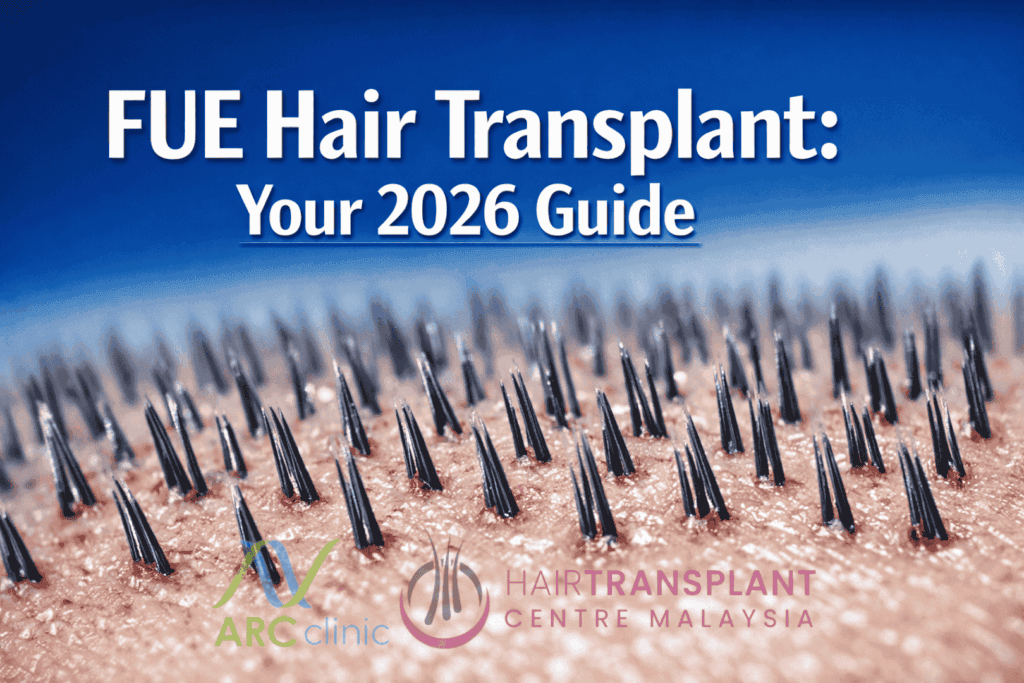
A FUE (Follicular Unit Extraction) Hair Transplant is a sophisticated hair restoration technique where individual hair follicles are meticulously harvested directly from the donor area, usually the back and sides of the head, using a specialized micro-punch tool. These individual follicular units, each containing 1 to 4 hairs, are then carefully transplanted into tiny incisions made in the balding or thinning areas of the scalp, eyebrows, or beard. This method is highly favored in 2026 for its ability to produce natural-looking results without leaving a visible linear scar, unlike its predecessor, Follicular Unit Transplantation (FUT).
The core principle behind FUE is precision. Each follicular unit is extracted one by one, ensuring minimal damage to the surrounding tissue. This careful approach contributes to a faster healing time and allows patients to wear their hair very short without revealing tell-tale signs of surgery. For individuals seeking to address hair loss with discretion and natural aesthetics, FUE stands out as a leading solution.
How Does FUE Differ from Other Hair Transplant Methods?
FUE primarily differs from other hair transplant methods, most notably Follicular Unit Transplantation (FUT), in how hair follicles are harvested from the donor area. While FUT involves excising a strip of skin from the donor area, FUE extracts individual follicular units directly, leading to distinct advantages in terms of scarring and recovery.
Here’s a breakdown of the key differences:
FUE (Follicular Unit Extraction)
- Extraction Method: Individual follicular units are extracted directly from the scalp using a micro-punch tool, leaving tiny, punctate scars that are almost invisible and scattered across the donor area.
- Scarring: No linear scar. Patients can wear their hair short (e.g., buzz cut) without the transplant being noticeable.
- Recovery: Generally faster and less painful, with less post-operative discomfort in the donor area. Patients can often return to normal activities sooner.
- Donor Area: Larger donor area possible, as follicles can be harvested from a wider region, including sometimes body hair.
- Suitability: Ideal for those who prefer short hairstyles, have tighter scalps, or require smaller transplant sessions. It is also preferred for correcting previous linear scars from FUT.
FUT (Follicular Unit Transplantation), also known as Strip Method
- Extraction Method: A strip of skin containing hair follicles is surgically removed from the donor area (usually the back of the head), and then individual follicular units are dissected from this strip under a microscope.
- Scarring: Leaves a linear scar in the donor area, which can be visible if hair is cut too short.
- Recovery: May involve more discomfort and a longer healing period in the donor area due to the surgical incision.
- Donor Area: Provides a large number of grafts in a single session, making it efficient for extensive hair loss.
- Suitability: Often recommended for individuals with significant hair loss who need a large number of grafts and are comfortable with potentially wearing their hair longer to conceal the linear scar.
When to Choose FUE:
Choose FUE if minimizing visible scarring is a top priority, if you prefer to wear your hair short, or if you need to camouflage an existing FUT scar. Hair Transplant Centre Malaysia’s physicians are adept at both techniques but often recommend FUE for its superior aesthetic donor site outcomes.
Who is a Good Candidate for an FUE Hair Transplant?
A good candidate for an FUE hair transplant is typically an individual experiencing male or female pattern baldness with a sufficient and stable donor hair supply, realistic expectations, and overall good health. The procedure is suitable for both men and women, provided they meet specific criteria related to their hair loss pattern and general well-being.
Here are the primary criteria for suitability:
- Stable Hair Loss: Candidates should have stable hair loss, meaning their hair loss has slowed down or stopped progressing. FUE is not usually recommended for individuals experiencing very early or rapidly progressing hair loss, as the transplanted hair may eventually be surrounded by areas that continue to thin.
- Sufficient Donor Hair: The most crucial factor is having a healthy, dense donor area, typically at the back and sides of the scalp, which is genetically resistant to balding. These follicles will be extracted and transplanted to the recipient area. Without enough high-quality donor hair, achieving satisfactory density in the recipient area is challenging. Hair Transplant Centre Malaysia’s experts can assess your donor area viability during a consultation.
- Realistic Expectations: It is vital for candidates to understand that while FUE offers excellent results, it cannot create hair where none exists, nor can it prevent future non-androgenic hair loss. The goal is improvement and restoration, not a complete return to adolescent hair density.
- Good General Health: Candidates should be in good overall health, free from medical conditions that could interfere with surgery or healing, such as uncontrolled diabetes, bleeding disorders, or certain autoimmune diseases.
- Age Factor: While there’s no strict age limit, candidates are often advised to wait until their hair loss pattern is well-established, typically after their mid-20s. Younger patients with unstable hair loss might require multiple procedures over time. For more information, read about the age factor to consider before hair transplantation.
- Hair Loss Type: FUE is highly effective for androgenetic alopecia (male or female pattern baldness). It can also be used for scar revision, eyebrow restoration, and beard transplants. For detailed insights on suitability, explore “Hair Transplant: Who is The Good Candidate?“
Edge Case: Individuals with diffuse thinning across their entire scalp, including the donor area, may not be ideal candidates because the transplanted follicles might also be susceptible to future thinning. In such cases, alternative treatments might be explored first.
What is the FUE Hair Transplant Procedure Like? (Step-by-Step)
The FUE hair transplant procedure is a meticulous, multi-step process that typically spans several hours, depending on the number of grafts required. It involves careful planning, precise extraction, and artistic implantation, all performed under local anesthesia.
Here’s a general step-by-step overview of what to expect:
- Initial Consultation and Planning:
- The process begins with a comprehensive consultation where the surgeon assesses your hair loss pattern, donor hair density, and overall health.
- They will discuss your aesthetic goals, design your new hairline, and determine the number of grafts needed. This stage is crucial for managing expectations and outlining a personalized treatment plan.
- Our physicians, with over 10 years of experience, including Dato’ Dr Kuladeva Retnam and Datuk Dr Inder, take pride in this detailed planning.
- Donor Area Preparation:
- Before the procedure, the donor area (usually the back and sides of the head) is trimmed short, sometimes shaved, to allow for precise extraction of individual follicular units.
- Local anesthesia is then administered to numb the donor region, ensuring you remain comfortable throughout this stage.
- Follicular Unit Extraction:
- Using a specialized micro-punch tool (typically 0.7mm to 1.0mm in diameter), the surgeon individually extracts follicular units. Each unit contains 1-4 hairs.
- The micro-punch creates small, circular incisions around each follicular unit, which are then gently pulled out. This precise technique ensures minimal trauma to the scalp and surrounding follicles.
- The extracted grafts are carefully collected, counted, and stored in a specialized solution to maintain their viability.
- Recipient Site Creation:
- Once the grafts are harvested, the surgeon prepares the recipient area (the balding or thinning regions).
- Tiny incisions are made in these areas using fine blades or needles. The angle, depth, and direction of these incisions are critical for ensuring natural-looking hair growth. This artistic aspect requires immense skill and experience.
- Graft Implantation:
- The healthy follicular units are then meticulously implanted into the recipient sites one by one.
- The surgeon carefully places each graft, paying close attention to the natural direction and density of your existing hair to achieve a seamless and undetectable result.
- This is often the longest part of the procedure and requires significant patience and surgical artistry.
- Post-Procedure Care and Instructions:
- After the procedure, the scalp will be cleaned, and specific post-operative instructions will be provided.
- This includes guidance on how to care for your newly transplanted hair, manage any discomfort, and protect the grafts during the initial healing phase.
- Patients are usually advised to avoid strenuous activities for a few days and to follow a specific hair washing regimen. Learn more about essential 7-day hair transplant aftercare.
Anecdote: One patient, Mr. Tan, shared his experience: “I was nervous about the procedure, but the team at Hair Transplant Centre Malaysia explained every step. The most surprising part was how comfortable I felt. I even watched a movie during the implantation phase! The precision and care were truly remarkable.”
How Much Does an FUE Hair Transplant Cost in Malaysia in 2026?
The cost of an FUE hair transplant in Malaysia in 2026 can vary significantly, typically ranging from RM 8,000 to RM 30,000 or more. This range is influenced by several factors, including the number of grafts required, the experience of the surgeon, the reputation of the clinic, and the technology utilized during the procedure.
Here are the primary factors that influence the overall cost:
- Number of Grafts: This is the most significant determinant of cost. The more grafts needed to achieve the desired density and coverage, the higher the total price. A session requiring 1,000 grafts will naturally be less expensive than one requiring 3,000 grafts. For example, a 3000-graft transplant will have a different cost structure than a smaller one. You can find detailed information on this at “How Much Does a 3000-Graft Hair Transplant Cost in Malaysia?“
- Surgeon’s Expertise and Experience: Highly experienced surgeons, especially those with international recognition and extensive portfolios, command higher fees. The quality of results is directly correlated with the surgeon’s skill. Hair Transplant Centre Malaysia boasts physicians with 10+ years of experience and Global Health Awards.
- Clinic Reputation and Location: Established clinics with a strong track record, state-of-the-art facilities, and excellent patient care often have higher pricing. Location within Malaysia (e.g., Kuala Lumpur vs. other states) can also play a role in pricing.
- Technology and Techniques Used: The use of advanced FUE technologies, such as automated or robotic systems, can also influence the cost. While these can offer benefits in terms of precision and efficiency, they may come at a premium.
- Included Services: Some clinics offer comprehensive packages that include post-operative care kits, follow-up appointments, and sometimes even PRP (Platelet-Rich Plasma) therapy, which can affect the overall price.
- Additional Treatments: If supplementary treatments like PRP are included to enhance results or recovery, the cost will increase.
Cost Comparison (Estimate for 2026):
| Factor | Low Range (RM) | High Range (RM) |
| Number of Grafts | ||
| 1000 Grafts | 8,000 | 12,000 |
| 2000 Grafts | 14,000 | 20,000 |
| 3000 Grafts | 20,000 | 30,000+ |
| Surgeon Experience | 📉 | 📈 |
| Clinic Reputation | 🏠 | 🏥 |
| Technology Used | 🛠️ | 🤖 |
| Post-Care Inclusions | ✅ | ✅✅ |
For a detailed comparison of hair transplant costs in Malaysia versus other regions, refer to “Malaysia vs. World: Hair Transplant Cost Comparison“. It’s crucial to obtain a personalized quote during a consultation, as each individual’s needs are unique.
What Are the Benefits and Potential Risks of an FUE Hair Transplant?
An FUE hair transplant offers numerous benefits, primarily a natural-looking hair restoration with minimal scarring and a relatively quick recovery. However, like any surgical procedure, it also carries potential risks and side effects that patients should be aware of before proceeding.
Benefits of FUE Hair Transplant
- Natural-Looking Results: Due to the precise placement of individual follicular units, FUE produces results that are virtually indistinguishable from natural hair growth. The surgeon can mimic natural hair patterns and angles.
- No Linear Scarring: This is a major advantage. The extraction of individual grafts leaves only tiny, dot-like scars that are almost invisible, even with very short hair. This allows for greater flexibility in hairstyle choices.
- Minimally Invasive: The procedure is less invasive than FUT, leading to less pain, discomfort, and swelling during the recovery period.
- Faster Recovery Time: Patients typically experience a quicker return to normal activities, often within a few days to a week. The donor area heals rapidly.
- Permanent Solution: The transplanted hair follicles are generally resistant to the hormones that cause balding, meaning they will continue to grow naturally for life.
- Versatile Donor Area: In some cases, if scalp donor hair is limited, body hair (e.g., beard or chest hair) can be used, although this is less common for scalp transplants.
- Increased Confidence: Successful hair restoration can significantly boost self-esteem and improve a person’s overall quality of life. Explore the benefits of hair transplant: regain confidence & hair.
Potential Risks and Side Effects of FUE Hair Transplant
While FUE is generally safe, it’s essential to be aware of possible complications:
- Swelling and Bruising: Mild swelling around the forehead and eyes, along with some bruising, is common but usually subsides within a few days.
- Numbness: Temporary numbness in both the donor and recipient areas can occur, typically resolving within weeks to months.
- Infection: Although rare, there is a risk of infection at the donor or recipient sites. This risk is minimized by following post-operative care instructions.
- Folliculitis: Inflammation or infection of the hair follicles can sometimes occur, appearing as small pimples. This is usually treatable with antibiotics or warm compresses.
- Shock Loss: Temporary shedding of existing hair in the recipient or surrounding areas after the transplant is common. This is usually temporary, and hair regrows within a few months.
- Uneven Growth or Density: In inexperienced hands, grafts might not be placed uniformly, leading to an unnatural appearance or areas of lower density. This highlights the importance of choosing an experienced surgeon.
- Scarring (Minor): While no linear scar, tiny punctate scars remain in the donor area. If too many grafts are taken from one area, the donor area might look thinned out.
- Persistent Pain: While rare, some patients may experience persistent pain or discomfort in the donor area.
- Allergic Reactions: Rare reactions to anesthesia or post-operative medications.
Important Note: The vast majority of these risks are temporary and manageable, especially when the procedure is performed by qualified and experienced professionals like the team at Hair Transplant Centre Malaysia. Proper pre-operative assessment and adherence to post-operative care are crucial for minimizing these risks. For more insights into immediate post-operative concerns, review “Short-term complications after hair transplant.”
What Does Recovery Look Like After an FUE Hair Transplant?
Recovery after an FUE hair transplant is generally smooth and relatively quick, but it requires careful adherence to post-operative instructions to ensure optimal results and graft survival. Most patients can resume light activities within a few days, with visible healing occurring over several weeks.
Here’s a timeline and what to expect during recovery:
Immediate Post-Procedure (Day 1-3)
- Swelling and Redness: Expect some redness and mild swelling in both the donor and recipient areas. Swelling on the forehead and around the eyes is common but usually subsides within 2-3 days.
- Crusting: Tiny scabs or crusts will form around each transplanted follicle and in the donor area. It’s crucial not to pick or scratch these.
- Discomfort: Mild discomfort, itching, or tightness in the donor area can be managed with prescribed pain medication.
- Sleeping: Sleep with your head elevated to minimize swelling and prevent accidental rubbing of the grafts.
- Hair Wash: The first gentle hair wash is typically permitted 24-48 hours after the procedure, often at the clinic or with specific instructions. This is vital for removing crusts. Understand why next day hair wash is crucial after a hair transplant.
First Week (Day 4-7)
- Crusts begin to fall: The small crusts around the grafts will gradually start to fall off during gentle washing.
- Reduced Swelling: Swelling should significantly decrease or resolve.
- Donor Area Healing: The donor area will begin to heal, and redness will fade.
- Activity: Light daily activities can be resumed, but strenuous exercise, heavy lifting, and direct sun exposure should still be avoided.
- Hair Washing: Continue to follow the prescribed gentle washing protocol. Learn the ultimate guide to washing hair after hair transplant.
Weeks 2-4
- “Shock Loss” (Shedding Phase): This is a normal and expected part of the process. Around 2-4 weeks post-transplant, many of the transplanted hairs will shed. This is a sign that the follicles are entering a resting phase before new growth begins. It can be disheartening, but it is temporary.
- Donor Area: The donor area should be largely healed, with most redness gone.
- Activity: Most normal activities, including moderate exercise, can typically be resumed.
Months 2-4
- New Growth Begins: Around the third to fourth month, new hair growth will start to emerge. Initially, these hairs may be fine and sparse, but they will gradually thicken.
Months 5-12
- Visible Growth: Significant new hair growth will become visible, and the hair will begin to thicken and mature.
- Styling: You can start to style your hair as it grows longer.
- Density Improvement: The density will continue to improve as more hairs grow and existing ones mature.
Months 12-18
- Final Results: The full results of the FUE hair transplant are typically apparent between 12 and 18 months post-procedure. The hair will have matured, and the final density and naturalness will be evident.
Personal Story: Puan Siti, a client from Hair Transplant Centre Malaysia, recounted, “The initial shedding phase was tough, I thought it hadn’t worked! But Dr. Ashrul assured me it was normal. By month six, I started seeing real growth, and by a year, I had a full head of hair. It felt like a miracle.”
How to Choose the Best FUE Hair Transplant Clinic in Malaysia?
Choosing the best FUE hair transplant clinic in Malaysia is a critical decision that significantly impacts the success and naturalness of your results. Given the increasing popularity of hair restoration in the region, it’s essential to look beyond marketing and focus on key indicators of quality and expertise.
Here’s how to make an informed choice:
- Surgeon’s Qualifications and Experience:
- Specialization: Ensure the physicians specialize in hair restoration. Our physicians at Hair Transplant Centre Malaysia focus exclusively on the art and science of hair restoration.
- Certifications: Look for surgeons who are certified by reputable boards or are active members of international societies like the International Society of Hair Restoration Surgery (ISHRS) or FUE Europe Society. Datuk Dr. Inder is an active member of ISHRS, and Dr. Ashrul Ikhmal is a member of FUE Europe Society.
- Experience: Prioritize clinics where physicians have extensive experience (e.g., 10+ years) performing FUE procedures. Ask to see their portfolio of before-and-after photos.
- Artistry: Hair transplantation is both a science and an art. The surgeon’s ability to design a natural-looking hairline and properly angle grafts is paramount.
- Clinic Reputation and Accreditation:
- Awards and Recognition: Clinics that have received honors or awards for excellence in hair restoration surgery, such as Global Health Awards, demonstrate a commitment to high standards.
- Patient Reviews and Testimonials: Read reviews on independent platforms and ask for patient references. Look for consistent positive feedback regarding results, patient care, and professionalism.
- Accreditation: Ensure the clinic adheres to local health regulations and maintains high standards of hygiene and safety.
- Advanced Technology and Techniques:
- FUE Expertise: Confirm that the clinic is highly proficient in the FUE technique, utilizing modern micro-punch tools and extraction methods that minimize damage to grafts.
- Supporting Technologies: Some clinics may offer supplementary treatments like PRP, which can enhance graft survival and hair growth.
- Comprehensive Consultation and Personalized Treatment Plan:
- A reputable clinic will offer a thorough initial consultation, assessing your specific hair loss pattern, donor hair availability, and health.
- They should provide a personalized treatment plan, clearly outlining the number of grafts, expected outcomes, and detailed cost breakdown. Avoid clinics that offer a one-size-fits-all approach.
- Post-Operative Care and Follow-Up:
- Inquire about the clinic’s post-operative support, including detailed aftercare instructions, medication, and follow-up appointments. Excellent post-care is crucial for the final results.
- Hair Transplant Centre Malaysia provides clear guidance on care, including “Essential 7-Day Hair Transplant Aftercare Guide.”
- Transparency in Pricing:
- A good clinic will be transparent about its pricing structure, providing a clear quote without hidden fees. Be wary of unusually low prices, as they might indicate compromises in quality or experience. “Is a Cheap Hair Transplant Worth the Risk?” is a crucial question to ask.
Decision Rule: Always prioritize the surgeon’s expertise and the clinic’s track record over simply finding the lowest price. A successful FUE hair transplant is an investment in your appearance and confidence, so choosing a clinic like Hair Transplant Centre Malaysia, known for its specialized physicians and world-class procedures, is paramount. For a deeper dive, check out “How to Choose The Best Hair Transplant Clinic in Malaysia?“
What Results Can You Expect from an FUE Hair Transplant?
The results of an FUE hair transplant are typically natural-looking, permanent, and can significantly restore hair density and rejuvenate one’s appearance. However, patience is key, as the full transformation unfolds gradually over 12 to 18 months following the procedure.
Here’s what you can realistically expect:
- Natural Hairline: An experienced surgeon will design and create a hairline that complements your facial structure and looks completely natural. The transplanted hairs will grow at the correct angle and direction, blending seamlessly with existing hair.
- Increased Density: Over time, the transplanted hairs will grow, increasing the density in previously thinning or balding areas. The final density achieved depends on the number of grafts transplanted and the quality of the donor hair.
- Permanent Growth: Since the transplanted follicles are taken from the ‘safe donor area’ (genetically resistant to balding), they will continue to grow for a lifetime, just like your original hair in that area. This makes FUE a long-term solution to hair loss.
- Gradual Improvement: Hair growth is not immediate. After the initial shedding phase (around 2-4 weeks post-op), new, fine hairs will begin to emerge around 3-4 months. These hairs will gradually thicken and mature over the next 6-12 months.
- Improved Appearance and Confidence: The primary outcome for most patients is a renewed sense of confidence and a more youthful appearance. Seeing consistent growth can be incredibly rewarding. Many patients report feeling years younger after their procedure. Discover how to “Look and Feel Years Younger with a Hair Transplant in Malaysia.”
- Hair Characteristics: The transplanted hair will retain the characteristics of the donor hair, including color, texture, and growth rate. It will also respond to cuts, styling, and treatments like any other hair on your head. Read more about “Hair Transplant Result – Will it look natural?“
Common Misconception: Some people expect a full head of hair overnight. It’s crucial to understand the biological growth cycle of hair. The “results” are not immediate; they are a journey.
Anecdote: When Mr. Lee first saw his full results at 15 months, he was ecstatic. “It’s like I have my old hair back, but even better, because now I know it’s here to stay,” he said, touching his newly dense crown. “The initial wait was hard, but absolutely worth it.”
How to Prepare for an FUE Hair Transplant and What Aftercare is Needed?
Proper preparation for an FUE hair transplant ensures the best possible outcome, while meticulous aftercare is crucial for the survival of the transplanted grafts and a smooth recovery. Following your clinic’s specific instructions precisely will greatly impact your final results.
Preparing for Your FUE Hair Transplant
- Medical Review: Your surgeon will review your medical history and current medications. Be transparent about everything, including supplements. Certain medications, like blood thinners (e.g., aspirin, ibuprofen), may need to be stopped a week or two before the procedure to minimize bleeding risks.
- Alcohol and Smoking: Avoid alcohol for at least a week before the surgery, as it can thin the blood. Smoking should be ceased several weeks prior, as it significantly impairs healing and can reduce graft survival.
- Caffeine: Reduce or avoid caffeine on the day of the surgery, as it can increase nervousness and bleeding.
- Hair Washing: Wash your hair thoroughly the morning of the procedure using a regular shampoo, but avoid applying any styling products.
- Comfortable Clothing: Wear loose, comfortable clothing, preferably a button-down shirt or zip-up top, to avoid pulling anything over your head after the procedure.
- Arrangement for Transport: Arrange for someone to drive you home, as you might feel drowsy from sedation, and local anesthesia can affect your ability to drive.
- Inform Your Surgeon: Disclose any allergies or sensitivities you may have.
Essential Aftercare After an FUE Hair Transplant
- Protect the Grafts: The first few days are critical. Avoid touching, rubbing, or scratching the transplanted area. Sleep with your head elevated using a neck pillow to prevent accidental contact.
- Medication: Take all prescribed medications, including antibiotics, pain relievers, and anti-inflammatory drugs, as directed.
- Gentle Washing: Follow the specific hair washing instructions provided by your clinic. This typically involves gentle rinsing and dabbing with a special shampoo/lotion to remove crusts without dislodging grafts. Learn more about the ultimate guide to washing hair after hair transplant.
- Avoid Strenuous Activity: Refrain from heavy exercise, sweating, and activities that increase blood pressure for at least 1-2 weeks. This prevents swelling and protects grafts.
- Sun Protection: Avoid direct sun exposure to the scalp for several weeks. Wear a loose-fitting hat if necessary (ensure it doesn’t rub the grafts). Understand when and how to wear a hat after hair transplant.
- Diet and Hydration: Maintain a healthy diet and stay well-hydrated to support healing. Some clinics even recommend an optimal diet for nutritional success after hair transplant.
- Alcohol and Smoking: Continue to avoid alcohol and smoking for at least a month post-procedure to aid healing.
- Follow-up Appointments: Attend all scheduled follow-up appointments so your surgeon can monitor your progress and address any concerns.
- Things to Avoid: Never pick at scabs, scratch your scalp vigorously, or apply harsh chemicals/products to the transplanted area. Learn about “Post Care of Hair Transplant: 4 Things You Should Never Do.”
Mistake to Avoid: A common mistake is not fully committing to the aftercare regimen, especially the gentle washing process. Neglecting these instructions can lead to infection, poor graft survival, or less optimal results.
Is FUE Hair Transplant a Permanent Solution for Hair Loss?
Yes, an FUE hair transplant is considered a permanent solution for hair loss, particularly for androgenetic alopecia (pattern baldness). This permanence stems from a fundamental characteristic of the donor hair used in the procedure.
Here’s why it’s a permanent solution:
- Genetically Resistant Follicles: The hair follicles extracted during an FUE procedure are typically harvested from the “safe donor area”—the back and sides of the scalp. These hairs are genetically programmed to be resistant to the effects of dihydrotestosterone (DHT), the hormone primarily responsible for pattern baldness.
- Retaining Characteristics: Once transplanted to the balding areas, these follicles retain their original genetic programming. They continue to grow throughout a person’s life and do not typically fall out due to androgenetic alopecia.
- Natural Life Cycle: The transplanted hairs will go through their normal growth cycles (anagen, catagen, telogen), shedding and regrowing just like your native hair.
- Addressing the Root Cause: FUE directly addresses the issue of lost follicles by replacing them with healthy, DHT-resistant ones. While it doesn’t prevent non-genetic forms of hair loss or further thinning of existing non-transplanted hair, it permanently restores hair to the treated areas.
Important Consideration: While the transplanted hair is permanent, it’s important to understand that a hair transplant does not stop the progression of hair loss in areas that were not treated or in existing native hair that is still susceptible to DHT. For this reason, some patients may consider medications like finasteride or minoxidil post-transplant to protect their existing hair and slow down future loss, or they might consider a second hair transplant years later if their original hair loss progresses. Regular follow-ups with your specialist, like those at Hair Transplant Centre Malaysia, can help manage long-term hair health.
Understanding Donor and Recipient Areas in FUE
In an FUE hair transplant, the success of the procedure hinges on the proper selection and management of both the donor and recipient areas. These two regions play distinct yet equally critical roles in achieving natural-looking and lasting results.
The Donor Area
The donor area is the region on the patient’s body from which healthy hair follicles are extracted for transplantation.
- Primary Location: For FUE, the primary donor area is typically the back and sides of the head. Hair in these regions is usually genetically resistant to the effects of DHT, the hormone responsible for pattern baldness.
- Quality and Density: The quality, density, and texture of the hair in the donor area are paramount. A good donor area should have a sufficient supply of dense, healthy follicular units to provide enough grafts for the recipient area without becoming noticeably thinned itself.
- Extraction Method: During FUE, individual follicular units are carefully extracted one by one from this area using a micro-punch tool. This method leaves tiny, scattered, dot-like scars that are almost invisible, allowing the patient to wear their hair short.
- Alternative Donor Sites: In cases where scalp donor hair is insufficient, hair from other body parts, such as the beard (beard hair transplant) or chest, can sometimes be used. However, body hair differs in texture and growth cycle from scalp hair and is typically considered a secondary option.
Mistake to Avoid: Over-harvesting the donor area can lead to a thinned-out or patchy appearance, compromising the natural look. An experienced surgeon knows how to manage the donor supply sustainably.
The Recipient Area
The recipient area is the balding or thinning region where the extracted hair follicles are implanted.
- Target Zones: This can include the frontal hairline, temples, mid-scalp, or crown (vertex). FUE is particularly effective for crown hair transplants. Read more about “FUE Hair Transplant (Crown Hair): Understand the Foundation.”
- Strategic Design: Before implantation, the surgeon meticulously designs the new hairline and plans the distribution of grafts. This involves considering the natural growth direction, angle, and density of existing hair to ensure the transplanted hair blends seamlessly.
- Incision Creation: Tiny incisions are made in the recipient area. The skill of the surgeon in creating these recipient sites is crucial for directing hair growth naturally and achieving the desired density.
- Implantation: Individual follicular units are carefully placed into these incisions. The surgeon’s artistry is vital in this stage to create a natural transition and avoid a “pluggy” appearance.
- Vascularity: The recipient area must have good blood supply (vascularity) to nourish the newly transplanted grafts and ensure their survival.
Important Note: The long-term success of an FUE hair transplant relies on a healthy donor area and an adequately prepared recipient area. Hair Transplant Centre Malaysia’s specialized physicians excel in assessing both these areas to create a tailored and effective treatment plan.
Why Choose Malaysia for Your FUE Hair Transplant in 2026?
Malaysia has emerged as a leading destination for FUE hair transplants in 2026, attracting both local and international patients due to its combination of world-class medical expertise, competitive pricing, and renowned hospitality. Choosing Malaysia for your hair restoration offers several distinct advantages.
Here are compelling reasons to consider Malaysia:
- World-Class Medical Expertise: Malaysia is home to highly skilled and internationally trained hair transplant specialists. Clinics like Hair Transplant Centre Malaysia @ ARC Clinic boast physicians with over 10 years of experience, specializing exclusively in hair restoration, and have received numerous honors and awards for excellence. Our physicians, including Dato’ Dr Kuladeva Retnam, Datuk Dr Inder (an active ISHRS member), and Dr Ashrul Ikhmal (a member of FUE Europe Society), ensure patients receive care from top-tier professionals.
- Advanced Techniques and Technology: Malaysian clinics invest in state-of-the-art equipment and adopt the latest FUE techniques, ensuring precision, efficiency, and optimal results. Patients benefit from modern facilities that prioritize patient safety and comfort.
- Competitive Pricing: Compared to Western countries, the cost of an FUE hair transplant in Malaysia is significantly more affordable without compromising on quality. This makes high-quality hair restoration accessible to a wider range of individuals. Explore “Hair Transplant Cost Malaysia – Fue Hair Transplant” for more details.
- High Standards of Care: Malaysian healthcare is known for its high standards, excellent patient care, and warm, hospitable environment. Clinics prioritize individualized attention and comprehensive post-operative support, which is critical for successful recovery.
- Medical Tourism Hub: Malaysia is a well-established medical tourism destination, offering a comfortable and convenient experience for international patients. English is widely spoken, and there is excellent infrastructure for travel and accommodation. Discover more about “Why Malaysia is a Top Destination for Hair Transplant” and “Unlocking a Younger You: The Advantages of Getting a Hair Transplant in Kuala Lumpur.”
- Cultural Sensitivity: Clinics often cater to diverse patient needs, including understanding various cultural and religious considerations. For instance, clinics are mindful of queries like “Is Hair Transplant Halal or Haram?“
- Positive Patient Outcomes: The consistent delivery of natural-looking and long-lasting results has built a strong reputation for hair restoration in Malaysia.
Comparison: While Turkey is another popular destination for hair transplants, Malaysia offers a unique blend of competitive pricing, advanced techniques, and a distinct cultural experience. Consider “Hair Transplant Turkey vs. Malaysia: A Cost Review” for a detailed comparison.
Choosing a specialized center like Hair Transplant Centre Malaysia ensures that you are entrusting your hair restoration to a dedicated team focused solely on delivering world-class FUE procedures.
Conclusion
An FUE Hair Transplant stands as a groundbreaking and highly effective solution for individuals seeking to restore their hair and regain confidence in 2026. This minimally invasive procedure, characterized by the individual extraction and transplantation of follicular units, offers natural-looking, permanent results without the linear scarring associated with older methods. From careful donor area selection to artistic graft implantation, every step is critical to its success, which is why choosing an experienced and reputable clinic is paramount.
Malaysia has solidified its position as a premier destination for FUE, combining expert physicians, advanced technology, and competitive pricing with exceptional patient care. For those contemplating hair restoration, understanding the procedure, its benefits, potential risks, and the nuances of recovery is the first step towards a transformative journey. With realistic expectations and diligent aftercare, an FUE hair transplant can indeed be a life-changing investment, offering not just new hair, but a renewed sense of self.
Actionable Next Steps:
- Educate Yourself Further: Explore additional resources on FUE and hair loss to deepen your understanding.
- Schedule a Consultation: Contact a specialized clinic like Hair Transplant Centre Malaysia to book an initial consultation. This is crucial for a personalized assessment of your hair loss and donor area.
- Prepare Your Questions: Compile a list of questions to ask your surgeon regarding the procedure, costs, recovery, and expected results.
- Review Before & After Photos: Ask to see the clinic’s portfolio of FUE hair transplant results to gauge their aesthetic capabilities.
- Follow Aftercare Instructions Diligently: If you proceed with the transplant, commit fully to the post-operative care regimen provided by your clinic to ensure optimal graft survival and healing.
Quick FUE Facts & Important Considerations
The primary distinction lies in donor hair harvesting. FUE extracts individual follicular units, leaving tiny, almost invisible punctate scars. FUT removes a strip of scalp, resulting in a linear scar. FUE is preferred for shorter hairstyles and quicker recovery.
Consider FUE if you want to avoid a linear scar and prefer a faster, less painful donor site recovery.
Ideal candidates have stable hair loss (not rapidly progressing), a sufficient donor hair supply from the back/sides of the scalp, and realistic expectations. Good general health is also important. A consultation with a specialist like those at Hair Transplant Centre Malaysia can confirm your suitability.
Those with diffuse thinning across the entire scalp, including the donor area, may not be ideal candidates.
FUE costs in Malaysia typically range from RM 8,000 to RM 30,000+ in 2026, primarily depending on the number of grafts (e.g., 1000-3000+ grafts), the surgeon’s experience, and the clinic’s reputation. Malaysia offers competitive pricing compared to Western countries without compromising quality.
Always get a personalized quote during your consultation. Beware of unusually low prices.
While recovery is quick, visible growth takes time:
- **Day 1-7:** Swelling, redness, crusts, gentle washing begins.
- **Weeks 2-4:** “Shock loss” (shedding) occurs.
- **Months 3-4:** Fine new hairs start to emerge.
- **Months 5-12:** Significant hair growth, thickening, and maturation.
- **Months 12-18:** Final results are typically visible, with full density and natural appearance.